








Art Meets Science on a Plate
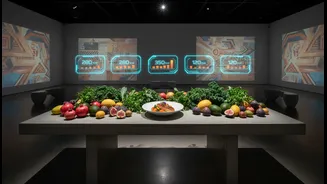
Bengaluru, a city known for its dynamic tech scene and vibrant food culture, is now home to an ambitious, year-long exhibition season called 'CALORIE: The Breakdown'. Hosted by the Science Gallery Bengaluru, this isn't your typical health fair. Instead
of charts and lectures, it uses art installations, interactive exhibits, and workshops to explore our complex relationship with food. One installation uses AI to create a 'food council' where ingredients debate biodiversity and food waste, while another uses sensors to encourage mindful eating away from screens. The goal, according to founding director Dr. Jahnavi Phalkey, is not to judge dietary habits but to equip people, especially those aged 15 to 30, with the knowledge to make informed decisions by looking beyond what's on their plate to the systems and choices that feed us. The exhibition delves into food politics, agriculture, history, and sustainability, using art as a lens to ask critical questions.
The Promise of Making Nutrition Tangible
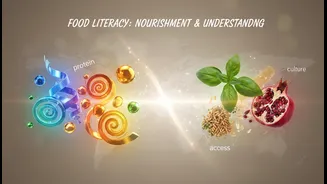
For many young people, nutritional concepts can feel abstract and confusing. The primary argument for an interactive approach like the 'CALORIE' exhibition is its ability to make these ideas concrete. By visualizing where food comes from, questioning the impact of food delivery culture, or even exploring how the city's growth has impacted traditional crops like ragi, the exhibition aims to build food literacy from the ground up. This kind of awareness is a crucial first step. Rather than just presenting numbers on a label, the exhibits provide context, encouraging visitors to think critically about their consumption habits. The hope is that this holistic understanding fosters a healthier relationship with food, built on knowledge and curiosity rather than restrictive rules. Proponents argue that such educational initiatives can empower youth to make better choices that support their growth and development for a lifetime.
The Fine Line Between Awareness and Obsession
However, the central question of the exhibition's title—and indeed, any focus on calories—is the potential downside. Health experts and studies have consistently warned that focusing on calorie counting can be a slippery slope, particularly for adolescents. It's linked to a higher risk of developing disordered eating behaviours and can foster an unhealthy, black-and-white thinking pattern about 'good' and 'bad' foods. The very act of tracking can trigger anxiety, guilt, and a compulsive need for control that overshadows the joy of eating and sharing meals. While the Bengaluru exhibition's focus is broader than just numbers, any initiative with 'calorie' in its name must navigate this delicate territory carefully. Critics of calorie-centric approaches argue that they can inadvertently reinforce the very diet culture they might be trying to critique, especially for a generation already under immense pressure from social media.
Moving Beyond Numbers to Intuitive Health
This brings up a growing counter-movement in nutrition: the shift towards intuitive eating. This philosophy encourages individuals to listen to their own body's hunger and fullness cues rather than external rules or numbers. The goal is to rebuild trust with one's body, a skill that can be undermined by a rigid focus on calorie tracking. Experts suggest that a truly healthy approach combines nutritional knowledge with interoceptive awareness—the ability to understand your body's internal signals. This doesn't mean ignoring nutrition science. Instead, it frames it as one tool among many. Teaching young people to build balanced meals with proteins, complex carbs, and vegetables is vital, but so is teaching them to eat when they're hungry and stop when they're full. A sustainable health education model for youth must move beyond simple 'calories in, calories out' to encompass mental well-being, body positivity, and the cultural joy of food.