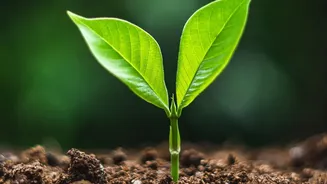







The Unseen Engine of Our Parks
Beneath every thriving park and garden lies a bustling, microscopic metropolis. A single teaspoon of healthy soil can contain billions of microbes, including bacteria, fungi, and other organisms. This invisible workforce is the engine of soil health.
Microbes break down organic matter, recycle vital nutrients for plants, and bind soil particles together, which improves structure and water retention. This biodiversity is not just for nature reserves; studies show that the soils in city parks, like New York's Central Park, can boast microbial diversity on par with natural landscapes worldwide. This underground ecosystem is crucial for everything from carbon storage to supporting the health of the plants and trees that clean our air.
When Good Rains Go Bad
While gentle rain is a blessing, the intense downpours characteristic of Indian monsoons can be a major threat to this delicate balance, especially in urban environments. The primary problem is waterlogging. Heavy rainfall on compacted city soil—often packed down by foot traffic and construction—doesn't soak in properly. This creates saturated, low-oxygen conditions that effectively drown the beneficial aerobic microbes, which need oxygen to survive. A 2025 review on the impact of flooding highlighted that this oxygen depletion is a critical factor that reshapes the entire microbial community, often favouring anaerobic microbes, which can include potential pathogens.
The Unique Challenges of Urban Soil
City soils face a unique set of challenges that make them particularly vulnerable. Unlike their counterparts in natural forests, urban soils are often disturbed, filled with construction debris, and suffer from lower levels of organic matter. A study of soils in Varanasi found that factors like increased bulk density and disturbance from urbanization were major reasons for the depletion of microbial biomass in urban areas compared to rural ones. Furthermore, urban green spaces can be overly managed with fertilizers and irrigation, which can alter the natural microbial balance. These combined pressures mean that when the monsoons hit, the soil's microbial communities have less resilience to bounce back from the stress of waterlogging and nutrient loss.
Research Points to Revival Strategies
The good news is that scientific research is paving the way for solutions to help these vital ecosystems recover. Strategies focus on improving soil structure and reintroducing beneficial organic materials. Amending the soil with compost and mulch is a key first step. These materials not only provide food for microbes but also improve soil aggregation, allowing for better drainage and aeration, which helps prevent waterlogging in the first place. Another promising avenue is the use of 'green manures' or cover crops. Planting species like clover or vetch between seasons protects the soil from erosion, adds organic matter, and naturally fixes nitrogen, reducing the need for synthetic fertilisers. Some research also points to the use of biochar—a type of charcoal—to increase microbial diversity and long-term carbon storage in soil.
Supporting Our Soil's Recovery
While large-scale soil regeneration in city parks is up to municipal bodies, public awareness is critical. Supporting policies like the National Mission for a Green India, which aims to improve green cover, is a start, though experts note these initiatives need better funding and consideration for local ecological conditions. Simple practices in community gardens and even home balconies can make a difference. Avoiding walking on saturated soil helps prevent further compaction. Promoting the use of organic compost over chemical fertilisers can help feed the existing microbial life. Ultimately, recognising that the soil beneath our feet is a living ecosystem is the first step toward ensuring our city green spaces remain resilient and vibrant for years to come.