
The Modern Protein Gap
In the landscape of Indian vegetarian cuisine, protein has always been present, but often not in sufficient quantities to meet modern dietary understanding. Many diets, while rich in flavour and tradition, can be heavy on carbohydrates and fats, creating
a 'protein gap'. Studies and surveys have highlighted that a significant portion of the population may not be consuming the recommended daily amount of protein, which is crucial for muscle repair, immune function, and overall energy. This growing awareness, coupled with a boom in health and wellness consciousness, has led many to scrutinize their plates and seek out effective, practical, and affordable ways to boost their protein intake without drastically changing their eating habits.
Sattu: The Humble Superfood
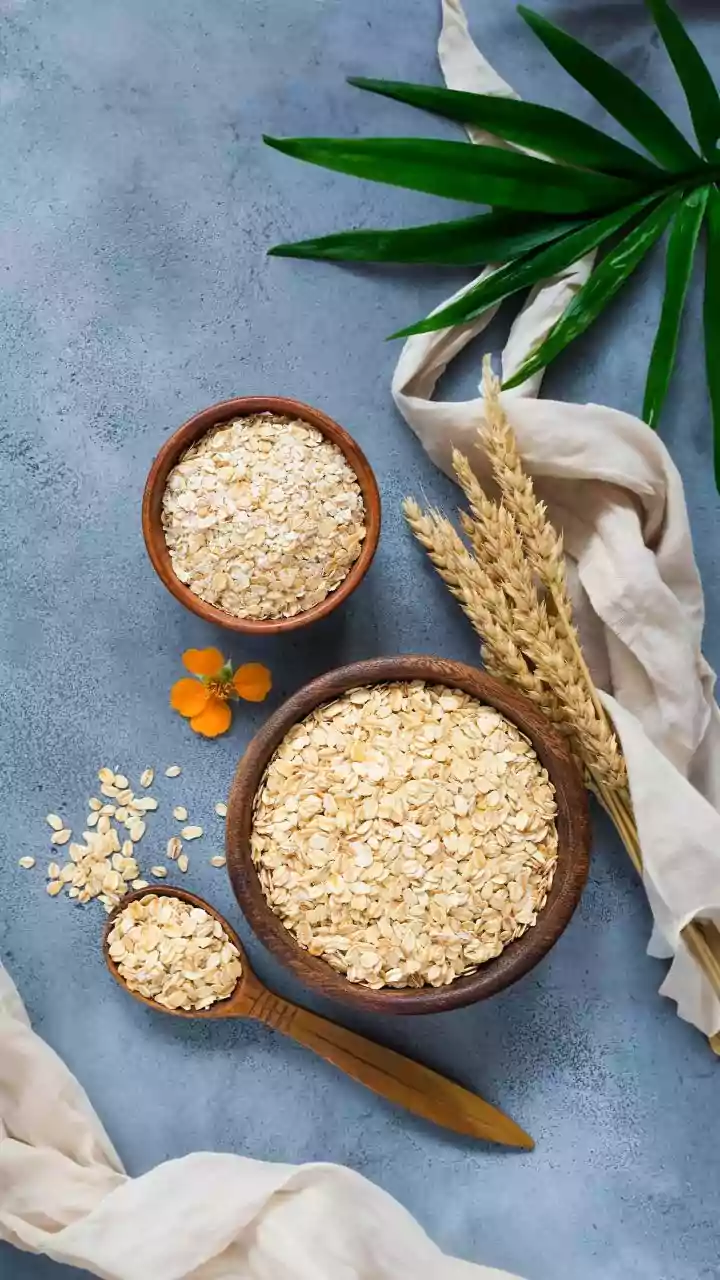
Once considered a rustic staple, sattu is making a major comeback as a nutritional powerhouse. Made from roasted gram (chickpea) flour, sattu boasts an impressive protein content, with some estimates suggesting around 20-25 grams of protein per 100 grams. Beyond protein, it is rich in dietary fibre, which aids digestion and promotes a feeling of fullness, making it beneficial for weight management. Sattu is also packed with essential minerals like iron, magnesium, and calcium. Its versatility is a key part of its appeal. The most popular way to consume it is as a refreshing 'sharbat'—a cooling drink mixed with water, lemon juice, and a pinch of black salt. It can also be kneaded into dough for protein-rich parathas and litti, or even used to make ladoos and cheelas.
Chickpeas: The Versatile Powerhouse
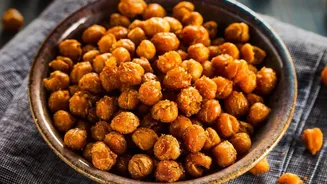
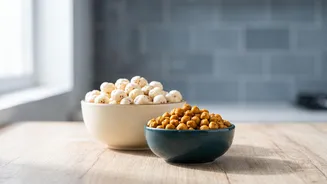
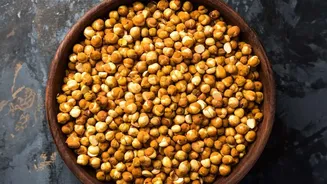
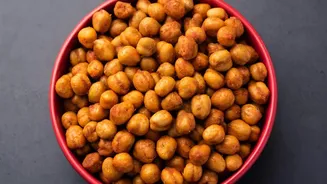
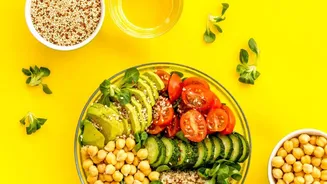
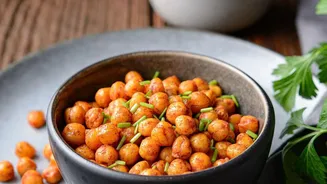
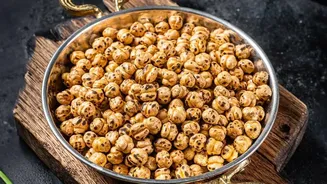
Chickpeas, or 'chana', are a cornerstone of Indian cooking and for good reason. A single cup of cooked chickpeas provides a significant protein boost of about 14.5 grams. They are also an excellent source of dietary fibre, which is beneficial for gut health and regulating blood sugar. While chickpeas on their own are considered an incomplete protein (lacking the full range of essential amino acids), this is easily remedied. When paired with whole grains like roti or rice—a combination that is already a natural part of Indian meals—they form a complete protein profile, providing all the amino acids the body needs for muscle repair and function. From classic chana masala and hummus to roasted snacks and besan (chickpea flour) pancakes, their culinary uses are nearly endless.
Lentils: The Everyday Protein Hero
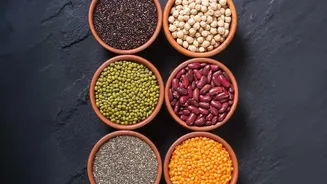
No Indian kitchen is complete without a variety of lentils, or 'dal'. They are the undisputed everyday protein hero. Lentils are one of the most protein-dense plant foods available, outperforming many other legumes. A cup of cooked lentils packs a powerful 18 grams of protein. They are also rich in iron, folate, and fibre. Different types of lentils—like moong, masoor, toor, and urad—have slightly different nutritional profiles and cooking times, but all are excellent choices. The beauty of lentils lies in their simplicity and their foundational role in the Indian diet. A daily bowl of dal served with rice or roti is not just comfort food; it's a nutritionally sound practice that has been followed for generations. By simply ensuring a hearty portion of thick dal, one can significantly increase their daily protein intake.
Making It All Work
The key to leveraging these ingredients is not about eating them in isolation, but about thoughtful combination and consistency. Start your day with a sattu drink or a paratha. For lunch and dinner, ensure a generous serving of dal or a chickpea-based curry accompanies your rotis and rice. Snack on roasted chana instead of fried alternatives. The principle of combining legumes with grains is scientifically sound and culturally ingrained, making it a practical strategy. For instance, a meal of dal and rice provides a complementary amino acid profile that is highly beneficial. By looking back to these traditional, affordable, and highly nutritious foods, Indian vegetarians can easily and effectively bridge the protein gap and support their health and wellness goals.