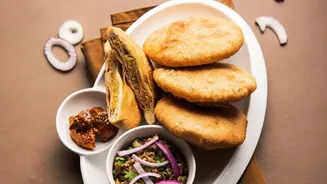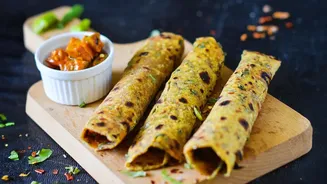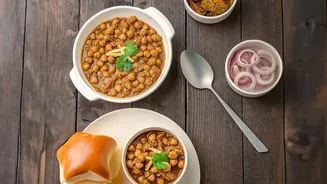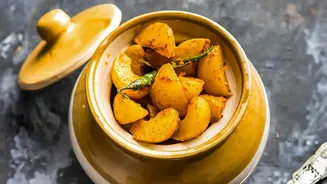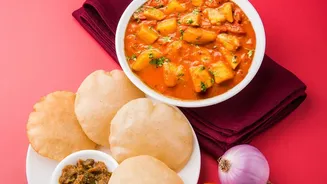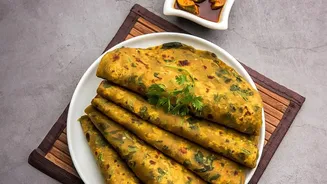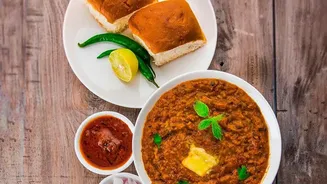


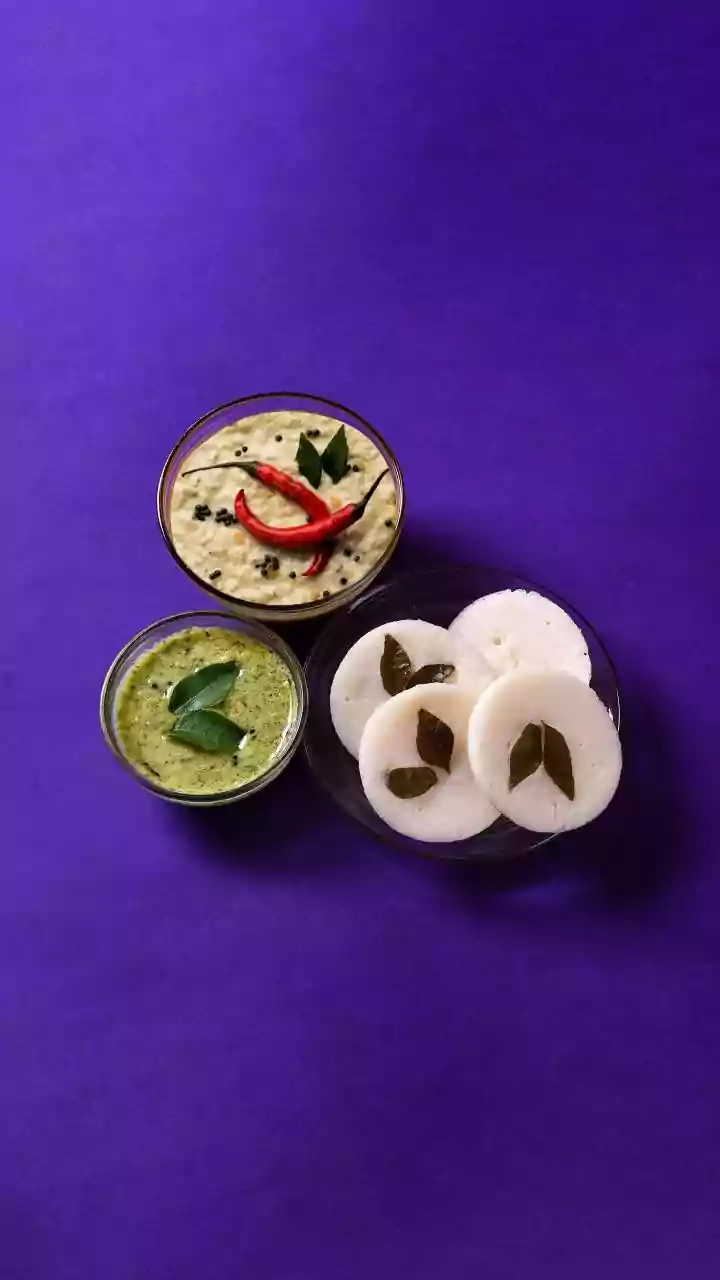

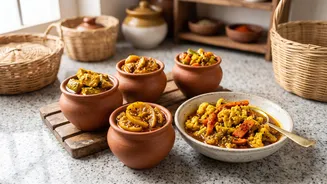
A dollop of fiery pickle, a spoonful of sweet chutney—these were once the jewels of a festival thaali. But a quiet revolution is taking place in Indian kitchens, moving these regional condiments from special occasions to the daily menu.
More Than Just a Side Dish
For generations,
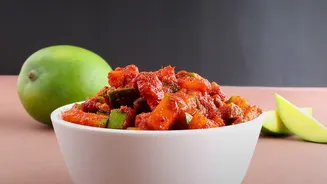
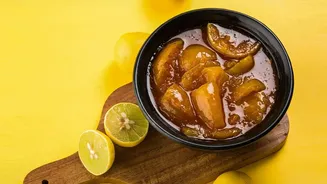
Indian condiments were deeply rooted in tradition and necessity. Pickling was a way to preserve seasonal produce, ensuring that the bounty of summer mangoes or winter vegetables could be enjoyed year-round. Each region developed its own signature style: spicy mango pickles in the south, sweet and sour chhundo in Gujarat, and pungent mustard-oil-based pickles in the east. These achaars and chutneys were more than just flavour enhancers; they were a vital part of our culinary heritage, adding a jolt of spice or a tangy counterpoint to simple meals of dal and rice. They were cultural icons, with recipes passed down like heirlooms, each jar holding the memory of a season or a family gathering.
A Taste of Home and Nostalgia
In an increasingly urbanised India, with more nuclear families and people living away from their hometowns, these traditional flavours evoke a powerful sense of nostalgia. A familiar pickle can be a comforting taste of home for someone in a new city. This emotional connection is a significant driver of the trend. Food brands have recognised this, using 'nostalgia marketing' to connect with consumers by reminding them of childhood memories and family traditions. This longing for authenticity and connection to one's roots has created a fertile ground for regional condiments to flourish, moving them from a forgotten corner of the pantry to a prominent place on the dining table.
The Rise of Artisanal and Niche Brands
The shift is also being fuelled by a burgeoning market of artisanal and digital-first brands. These small-batch producers are making hyper-regional and unique condiments accessible to a national audience through e-commerce and quick-commerce platforms. Unlike mass-produced alternatives, these brands often focus on traditional recipes, high-quality ingredients, and preservative-free preparations, which appeals to health-conscious consumers. They are correcting what some saw as years of standardised, one-note flavours, reintroducing complexity and personality into every jar. This has transformed the condiment aisle from a predictable space into a dynamic and innovative category.
The Digital Kitchen and Health_Conscious Eater
Social media has played a huge role in this transformation, acting as a discovery engine for food trends. Food bloggers and Instagram influencers showcase regional delicacies and creative ways to use them, inspiring home cooks to experiment. Simultaneously, there's a growing awareness of the health benefits of traditional foods. Many Indian condiments are rich in spices like turmeric, ginger, and fenugreek, which are known for their anti_inflammatory and digestive properties. Fermented pickles are also a source of probiotics, beneficial for gut health. As consumers become more mindful of what they eat, the appeal of natural, functional, and flavourful traditional condiments has grown significantly.