
An Overlooked Kitchen Staple
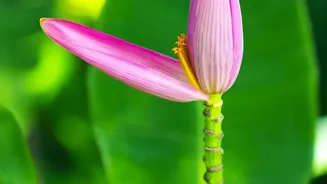
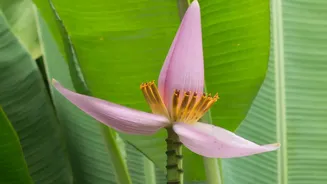
Often seen hanging at the end of a banana bunch, the large, purple banana flower is a common ingredient in South and Southeast Asian cuisine. While it may look intimidating, this edible flower offers a tender texture and a slightly bitter, nutty taste
that complements a wide range of spices. Not just a treat for the palate, it is also packed with fibre, vitamins, and minerals like potassium, calcium, and iron. Its low cost and ability to form the base of several distinct dishes make it an excellent choice for budget-conscious households looking to add variety to their weekly menu.
The Essential Prep Work
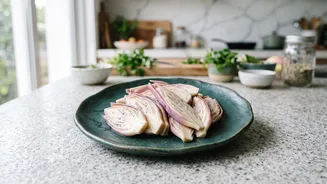
Proper preparation is key to unlocking the banana flower’s culinary potential. The process can be a bit time-consuming, but it is not difficult. Start by oiling your hands and knife to prevent staining from its sap. Peel away the tough, outer purple layers (bracts) one by one. Beneath each layer, you will find a row of small florets. For the larger florets from the outer layers, you need to remove two inedible parts: a tough, matchstick-like stamen (pistil) and a small, translucent petal (calyx). As you get closer to the centre, the florets become smaller and more tender, and you can use them whole. The pale, tender heart at the very core is also completely edible. Chop everything finely and immediately immerse it in a bowl of water with buttermilk or a splash of vinegar or lemon juice to prevent it from turning brown and bitter.
Meal 1: Simple Vazhaipoo Poriyal (Stir-fry)
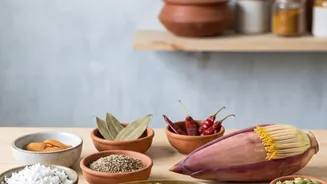
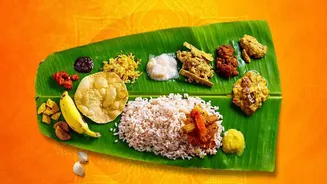
One of the quickest ways to enjoy banana flower is a classic South Indian poriyal or stir-fry. Heat some oil in a pan and temper with mustard seeds, urad dal, and curry leaves. Add finely chopped onions and sauté until translucent. Drain the chopped banana flower, add it to the pan along with turmeric powder, and cook for about 10-15 minutes until tender. You can add a splash of water and cover the pan to help it cook faster. Finish by stirring in grated coconut and a pinch of salt. This dish works perfectly as a nutritious side for rice and sambar.
Meal 2: Crispy Vazhaipoo Vadai (Fritters)
Transform the banana flower into a delightful evening snack or a crunchy side dish with vazhaipoo vadai. The recipe is similar to a standard masala vadai. First, soak chana dal for a couple of hours. Coarsely grind the soaked dal with red chillies, fennel seeds, ginger, and garlic, without adding water. To this mixture, add the finely chopped and well-drained banana flower, chopped onions, and curry leaves. Mix everything together, form the mixture into small patties, and deep-fry them until golden brown and crispy. These fritters are incredibly flavourful and a great way to use up a portion of the prepared flower.
Meal 3: Hearty Mochar Ghonto or Kuzhambu (Curry)
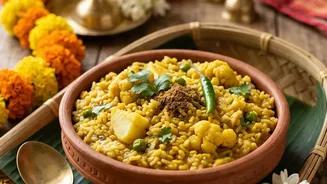
For a more substantial meal, the banana flower can be made into a rich curry. In Bengal, 'Mochar Ghonto' is a traditional dry curry made by cooking the boiled and mashed banana flower with potatoes, grated coconut, and a blend of aromatic spices like cumin, ginger, and garam masala. Alternatively, in Tamil Nadu, it can be used to make 'Vazhaipoo Kuzhambu', a tangy tamarind-based gravy. Here, the tender inner florets are cooked in a spicy gravy made with tamarind extract, sambar powder, and a paste of coconut, onions, and spices. Both versions create a hearty main course that pairs wonderfully with steamed rice.