






Why Screenshots and Unverified Bookings Fail
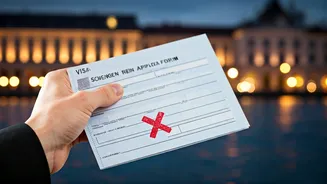
Submitting a simple screenshot of a flight search from a travel website is one of the fastest ways to raise a red flag on your Schengen visa application. Visa officers are trained to spot these. A screenshot is not a booking; it's just a picture of a potential
flight. It shows no commitment and can be easily edited. Consulates see this as a sign that the applicant may not be a genuine traveller. The core purpose of the travel documentation is to prove you have a well-planned trip and, most importantly, that you intend to return to India. An unverified booking suggests your plans are not concrete, which can lead directly to a visa rejection.
The Official Requirement: A Verifiable Flight Itinerary
What embassies actually require is a 'flight itinerary' or 'flight reservation'. This is not the same as a fully paid ticket. A flight itinerary is a document from an airline or travel agency that shows a confirmed booking held in your name. It must include your full name as on your passport, the airline details, flight numbers, complete travel dates, and a unique booking reference or PNR (Passenger Name Record). This PNR is crucial because it allows the consular officer to verify the reservation in the airline's system. The document proves you have a solid plan without forcing you to buy an expensive, non-refundable ticket before your visa is even approved.
Safer Alternatives to Secure Your Itinerary
So, how do you get a verifiable itinerary without buying the ticket? You have a few safe options. Many airlines allow you to hold a reservation for a small fee, often valid for 24 to 72 hours. This can be a good option if your visa appointment is imminent. Another popular and reliable method is using a dedicated visa itinerary service. For a nominal fee, these online services provide a legitimate, verifiable flight reservation with a PNR, often valid for two to three weeks, which is usually long enough to cover the visa processing time. These are sometimes called 'dummy tickets', but they are real reservations, not fake documents, and are widely accepted by Schengen consulates.
Don't Forget Proof of Accommodation
The same logic for flights applies to your hotels. Screenshots of a hotel search are not sufficient. You need to provide proof of accommodation for every single night you plan to spend in the Schengen area. The easiest way to do this is by making reservations on booking platforms that offer free cancellation. Book your hotels, print the confirmation emails that clearly show your name, the hotel's details, and the dates of your stay, and include them in your application. If you are staying with friends or family, you must provide an official invitation letter from your host, along with a copy of their passport or residence permit and proof of their address.
Building a Bulletproof Application
A strong application is a consistent one. Your flight itinerary dates must perfectly match your hotel bookings, your leave letter from your employer, and your travel insurance policy. In addition to flights and hotels, your file must include proof of financial means (bank statements for the last 3-6 months, ITR acknowledgements), a No Objection Certificate (NOC) from your employer, and a detailed cover letter. The cover letter is your chance to explain your travel purpose, your day-by-day plan, and your strong ties to India, reassuring the visa officer that you will return home after your trip.