


The Magic of Whole Spices
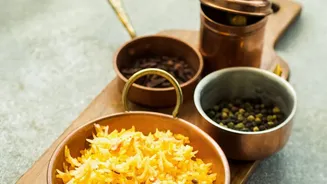
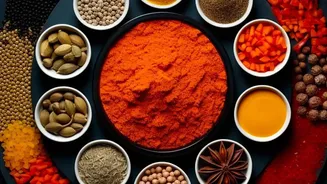
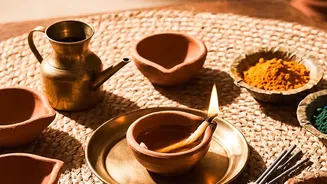
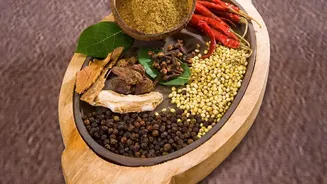
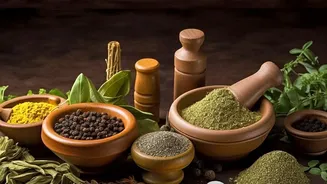
The difference between whole spices and their pre-ground counterparts is the difference between a live performance and a faded recording. Whole spices, like cumin seeds, cardamom pods, and cinnamon sticks, protect their flavourful essential oils within
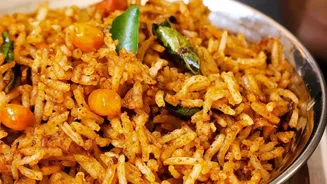
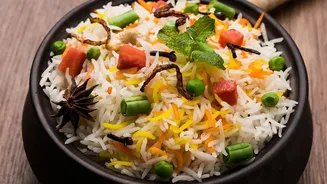
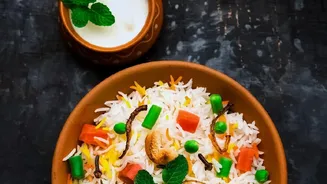
their structure. Ground spices, with their vastly increased surface area, begin losing their aromatic potency the moment they are milled. While powders are convenient for a quick stir-in, whole spices offer a deeper, more complex, and layered flavour that develops throughout the cooking process. They are the foundation of many dishes, releasing their aroma slowly in simmering curries, dals, and rice preparations like biryani. For maximum impact, buy whole spices and grind them yourself just before use. The difference in aroma is immediate and profound.
Master the Tadka (Tempering)
One of the most crucial techniques in Indian cuisine is the 'tadka', also known as tempering. This involves briefly frying whole spices in hot fat (like ghee or oil) to make them 'bloom'. This process extracts their fat-soluble flavour compounds and infuses the oil with their essence. That aromatic, infused oil is then poured over a finished dish like dal or vegetables, or used as the flavour base at the start of cooking a curry. To make a simple tadka, heat a little ghee or oil over medium heat. When it shimmers, add whole spices like cumin or mustard seeds. They will begin to pop and crackle within seconds. This is the sign that their flavours have been released. Be watchful; the line between fragrant and burnt is thin. This single step can elevate a simple dish from flat to fragrant and full-bodied.
Cumin: The Earthy Foundation
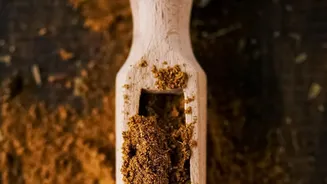
Cumin is an essential spice in the Indian kitchen, prized for its warm, earthy, and slightly smoky flavour. It's used in both its whole (jeera) and ground forms. Whole cumin seeds are a primary ingredient in tadka, where frying them in oil releases a nutty aroma that seasons the entire dish. You'll find them as a starting point for countless vegetable dishes (sabzis), lentils (dals), and rice preparations. Ground cumin, on the other hand, is a team player. It is typically added with other powdered spices like coriander and turmeric to form the 'masala' base of a curry. Because it can become overpowering, it's wise to use cumin conservatively at first, as you can always add more later. Whether whole or ground, toasting cumin before use—either by dry-roasting or blooming in oil—is key to unlocking its full potential.
Tamarind: The Sweet & Sour Secret
Tamarind provides a unique sweet-and-sour tang that lemon juice can't quite replicate. It is a fruit pod, and its pulp is most commonly sold as a thick, dark concentrate or a compressed block. For most home cooks, the concentrate is the easiest to use. It is incredibly potent, so a little goes a long way. Typically, you should dilute the concentrate with warm water before adding it to a dish. A general rule is to mix one part concentrate with two parts water to create a usable 'tamarind paste'. This tangy liquid is a cornerstone of South Indian dishes like sambar and rasam, and it's also used in chutneys and marinades. Its sourness beautifully cuts through richness and balances sweetness. You can add it to lentil dishes, vegetable curries, and even noodle dishes for a complex, zesty background note.