








Revealing the Power Couple
So, what is this magic combination? It’s not one specific pairing, but a strategic blend of a highly technical field with a deeply humanistic or business-oriented one. Think Computer Science and Philosophy, Data Analytics and Public Policy, or Engineering
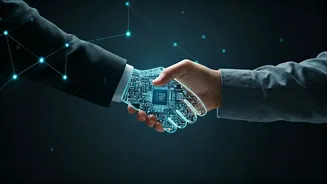
and Business Administration. This isn't about getting a double major for the sake of it. It’s about building a bridge between two worlds that have traditionally been kept separate: the world of code, algorithms, and data, and the world of ethics, communication, and human behaviour. The resulting graduate is a kind of hybrid professional, equipped not just to build technology, but to understand its impact and guide its application in a complex world.
Why Tech Needs a Human Touch Now
The demand for this combination is being fuelled by one of the biggest technological shifts of our time: the rise of artificial intelligence and big data. For years, the primary challenge was technical—could we build the algorithm? Could we process the data? Now, as these technologies become powerful and integrated into every facet of our lives, the questions have changed. The most urgent problems are no longer just about engineering; they are about ethics, strategy, and trust. Companies are grappling with questions like: Is our AI model biased? How do we use customer data responsibly? How can we communicate complex data insights to our leadership team to make better decisions? Answering these requires more than just a programmer. It requires a 'translator'.
The Rise of the ‘Corporate Translator’
Graduates with this blended expertise are becoming the most valuable players in the modern workplace. They are the 'corporate translators' who can speak the language of both the engineering team and the boardroom. They can understand the technical limitations of a product while also grasping its market potential and ethical implications. A product manager with an engineering background can have a more substantive conversation with their development team. A data scientist who studied psychology can design more human-centric user experiences. An AI specialist with a background in ethics or law is indispensable for navigating the regulatory and social minefield of new technology. These professionals don’t just execute tasks; they provide critical context and strategic guidance, preventing costly mistakes and unlocking new opportunities for innovation.
How This Looks in the Real World
This trend is already reshaping university curricula and job descriptions. Premier institutions globally are launching interdisciplinary programs, like Johns Hopkins University’s Business and Computer Science degree or Stanford’s 'CS+X' joint majors. In India, many IITs now encourage students to take minors in departments like Humanities and Social Sciences or Management, recognising the immense value of this cross-pollination. On the hiring front, new roles are emerging that explicitly call for this blend of skills. Titles like 'AI Ethicist', 'Data Storyteller', 'Technical Product Manager', and 'Creative Technologist' are becoming more common. These aren't entry-level roles; they are high-impact positions that require a unique ability to connect the dots between technology and business or societal goals.
The Strategic Edge for India
For a country like India, with its vast pool of engineering and technical talent, this trend represents a massive opportunity. The world already looks to India for technical execution. By layering on skills in critical thinking, strategic communication, design, and ethics, Indian professionals can move up the value chain from 'builders' to 'architects' of the future. Companies in Bengaluru, Hyderabad, and Gurugram are no longer just looking for coders who can follow instructions. They are hunting for leaders who can envision new products, understand customer needs deeply, and steer the company through complex technological transitions. This combination provides a powerful competitive advantage for the next generation of Indian talent aiming for global leadership roles.