





The Problem with Popular Hills
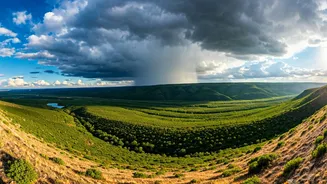
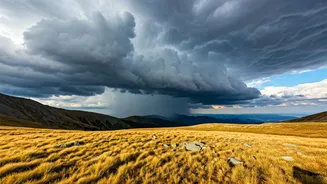
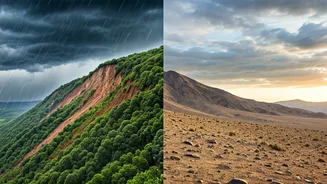
Every year, as the monsoon arrives, thousands flock to popular hill stations like Shimla, Manali, Mussoorie, and Darjeeling. While beautiful, these destinations become increasingly risky during heavy rains. The same slopes that look majestic in summer
can become treacherous, leading to landslides that block highways for hours, if not days. The narrow, winding roads turn into muddy, waterlogged nightmares, causing traffic snarls that can stretch for kilometres. Outdoor activities, the very reason for the trip, are often suspended. Instead of a serene escape, many travellers find themselves confined to their hotels, dealing with power cuts and uncertainty. The dream of a misty mountain holiday can quickly turn into a logistical headache.
Ladakh: A Desert Above the Clouds
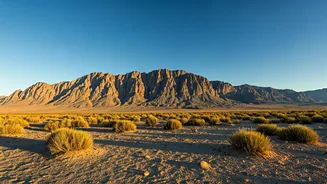
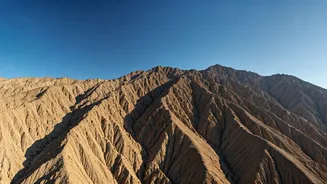
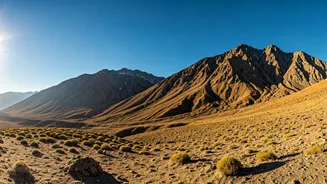
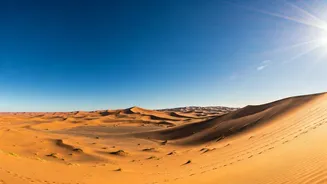
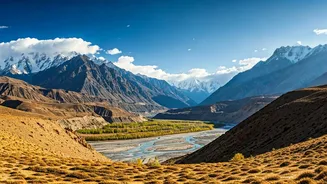
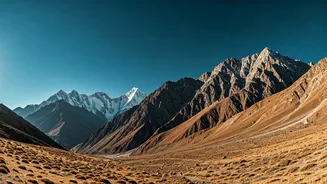
While the rest of India is drenched, Ladakh remains a high-altitude cold desert basking in sunshine. Sheltered by the mighty Himalayas, it lies in a rain-shadow zone, receiving minimal rainfall during the monsoon months of July and August. This makes it the perfect time to visit. The skies are a brilliant blue, the temperatures are pleasant, and all major mountain passes and roads are typically open, granting access to its surreal landscapes. You can explore ancient monasteries perched on stark hills, drive to the mesmerising Pangong Tso with its ever-changing colours, and discover the unique culture of Leh town, all without the worry of rain interrupting your plans.
Spiti Valley: The Middle Land's Magic
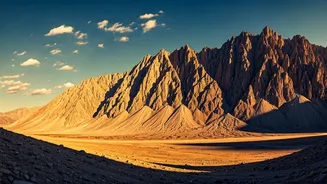
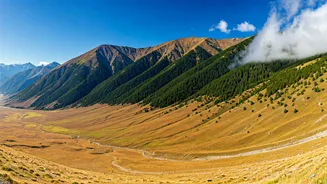
Much like Ladakh, Spiti Valley in Himachal Pradesh is a cold desert that escapes the full force of the monsoon. Its name translates to 'The Middle Land', and it truly feels like a world apart. The landscape is a dramatic canvas of barren mountains, deep gorges, and turquoise rivers. During the monsoon months, the valley itself is largely dry, making it ideal for exploring ancient Buddhist monasteries like Key, Tabo, and Dhankar. Homestays in villages like Komic and Langza offer an authentic glimpse into Spitian life. A word of caution: while Spiti is dry, the roads leading to it, especially from Manali, can be challenging due to rain. The route via Shimla and Kinnaur is generally considered a safer, though longer, alternative during this season.
Coromandel Coast: A Different Monsoon Clock
Not all dry escapes are in the mountains. The southeastern coast of Tamil Nadu, known as the Coromandel Coast, operates on a different weather schedule. It lies in the rain shadow of the Western Ghats, which block the southwest monsoon clouds. As a result, this region remains remarkably dry from June to September, receiving its primary rainfall during the retreating northeast monsoon later in the year. This makes it a fantastic, offbeat choice for a monsoon trip. You can explore the poignant ruins of Dhanushkodi, visit the temples of Rameswaram, or enjoy the unique French-Tamil culture of Puducherry with pleasant weather and far fewer crowds than in peak season.
Hampi: History Without the Humidity
Imagine exploring ancient ruins set against a backdrop of dramatic boulders and lush green paddy fields, with overcast skies providing a welcome relief from the sun. This is Hampi during the monsoon. Located on the Deccan Plateau, the region sees significantly less rainfall than the coastal areas or the Western Ghats. The gentle showers are just enough to wash the dust off the magnificent ruins of the Vijayanagara Empire, turning the landscape a vibrant green. The Tungabhadra river swells, and the weather is cool and pleasant for exploration. It's a time when the 'city of ruins' feels alive and rejuvenated, offering a completely different, and arguably more magical, experience for history buffs and photographers.