





It's More Than Just Money
For years, the default explanation for India's Olympic struggles was a lack of funding. While historically true, that narrative is now evolving. Today, government investment in sports is at an all-time high, with flagship programs like the Khelo India and
the Target Olympic Podium Scheme (TOPS) injecting unprecedented funds into infrastructure and athlete support. The real issue is less about the quantity of money and more about its effective use. Challenges in accountability, bureaucratic hurdles in sports federations, and the uneven distribution of funds remain significant problems. Experts argue that while facilities have improved, the expertise to translate resources into world-class performance is still catching up.
The Grassroots Problem
The journey of an Olympic champion begins years, often decades, before they step onto the global stage. This is where India has historically faced its biggest hurdle: the absence of a robust grassroots ecosystem. A strong sporting culture is built on mass participation, widespread and accessible infrastructure, and early talent identification. While urban centres may have better facilities, vast rural areas with immense talent pools often lack basic maintained grounds, qualified developmental coaches, and a structured pathway to advance. Initiatives like Khelo India are designed to address this by creating a national framework for local competitions and infrastructure, but bridging the gap between a promising child and a national-level athlete remains a fragmented process heavily dependent on family resources.
Cultural and Social Hurdles
In Indian society, there has been a long-standing cultural pressure to prioritize academics over sports, which are often seen as an extracurricular activity rather than a viable career. This mindset creates a significant barrier, as aspiring athletes and their families face financial insecurity and a lack of social safety nets. For many, the goal of pursuing sports is not necessarily excellence but to secure a government job through a sports quota, which can dilute the ambition required for elite international success. Furthermore, female athletes face additional layers of challenges, including patriarchal attitudes, discrimination, and a lack of safety and support, which systematically limits the talent pool.
Governance and Administrative Issues
India's sports federations have often been criticized for a lack of transparency, political interference, and inefficiency. Corruption and mismanagement within these bodies can hinder athlete development, affect merit-based selection, and delay the provision of crucial support. This creates a system where athletes may spend as much energy navigating bureaucracy as they do training. According to some analysts, while the government provides funding, the federations that control individual sports enjoy monopolistic power without sufficient accountability, which can lead to a climate of favoritism and stifle progress.
A Changing Tide?
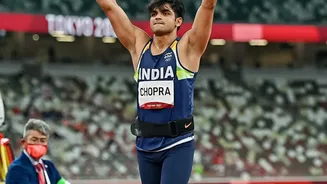
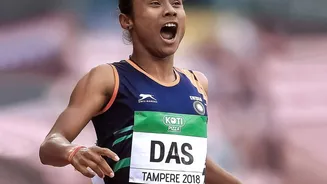
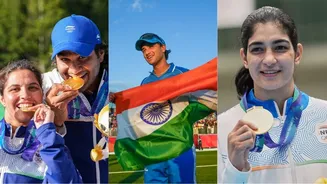
Despite the persistent challenges, the narrative around Indian sports is not entirely bleak. There are clear signs of progress. Increased investment, a growing number of high-performance centers, and greater international exposure for athletes are making a tangible difference. The success of athletes in recent competitions shows that individual excellence can break through. Programs like Khelo India, while still maturing, are creating a more structured talent pipeline than ever before. The conversation is slowly shifting from a question of 'if' India can succeed to 'how' it can accelerate the process, demanding greater accountability and a more professional, athlete-centric approach across the board.