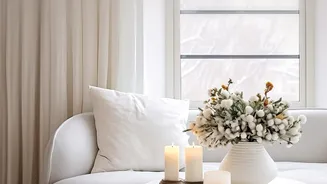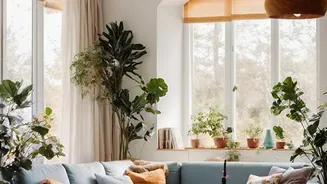



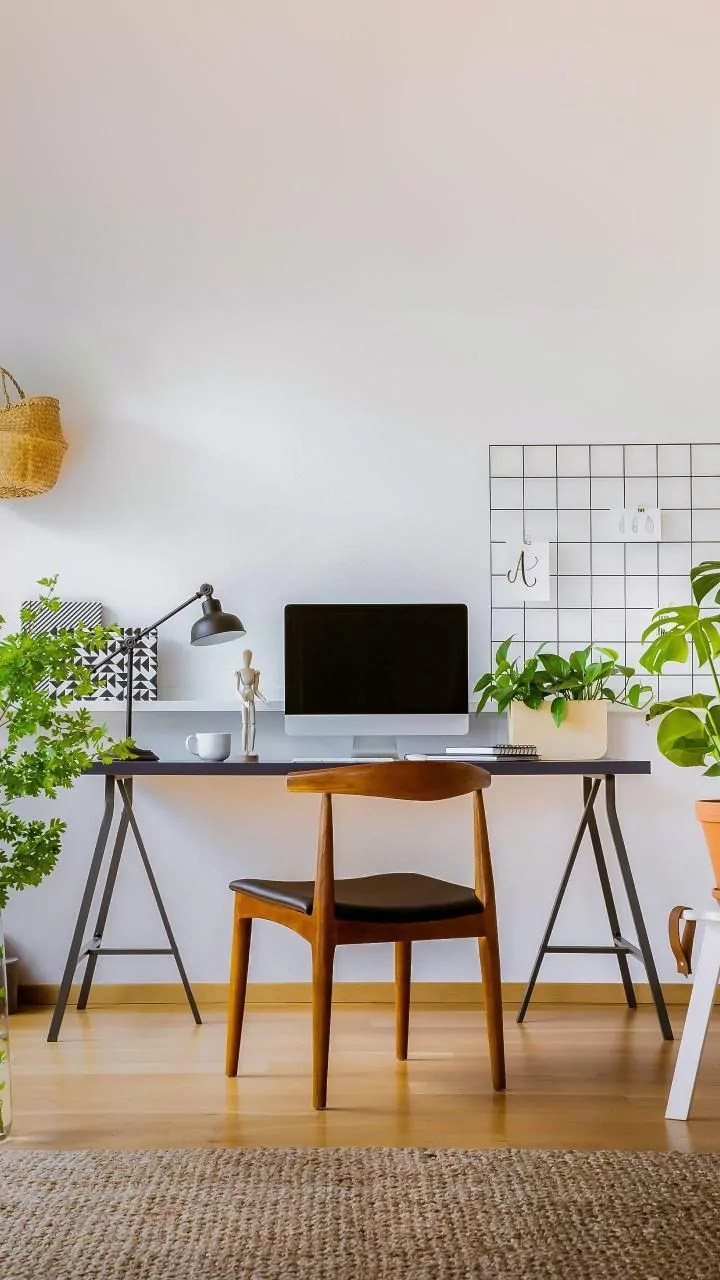
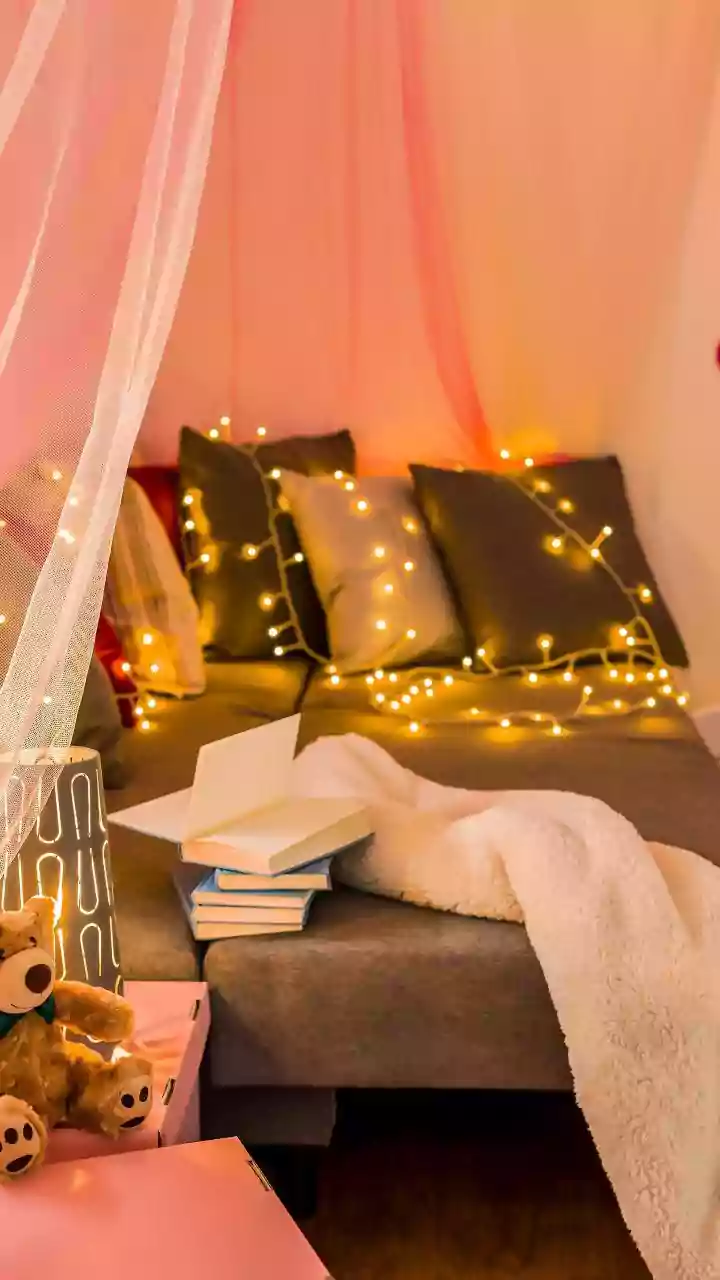

What is the Slow-Decorating Trend?
Slow decorating is the intentional practice of building your home’s interior over time rather than all at once. It’s the antithesis of impulse buys and fleeting trends, focusing instead on quality, longevity, and personal meaning. This approach encourages
you to live in your space, understand its light and its rhythms, and discover what you truly need before you buy. The goal is to curate a collection of furniture and decor that reflects your life, your travels, and your personality, creating a layered, authentic home that can't be bought in a single shopping trip.
The Instantly Matching Furniture Set
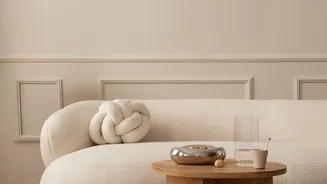
It’s tempting to walk into a showroom and purchase a complete, perfectly matched living room or bedroom set. It feels efficient, like you’ve instantly “finished” a room. However, this is one of the most common rushed purchases that slow-decorating advocates advise against. While coordinated, these sets often lack personality and can make a home feel generic, like a catalogue page. The slow-decorating alternative is to find an anchor piece, like a high-quality sofa or a sturdy bed frame, and build around it over time. Mix in vintage side tables, a chair from a different design era, or an inherited chest of drawers to create a richer, more collected look that feels uniquely yours.
Hyper-Trendy ‘It’ Accessories
Every season has its must-have decor item—a specific style of vase, a particular pattern on cushions, or a trending colour that suddenly seems to be everywhere. While fun, these hyper-trendy pieces are often the first to feel dated. Buying into them is a fast way to make your home feel out of style in a few months, forcing a cycle of replacement. Slow decorating encourages investing in timeless accessories or those with personal meaning. Instead of grabbing the latest mass-produced object, save that spot for a piece of pottery you find on holiday, a piece of art from a local maker, or a beautiful textile that you genuinely love, regardless of its trend status.
Temporary Fixes for Empty Corners
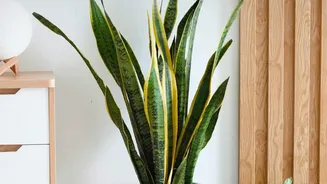
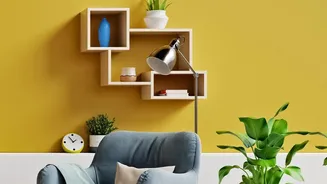
An empty wall or a vacant corner can feel like a problem that needs an immediate solution. This often leads to “filler” purchases—items bought simply to take up space without much thought for function or love for the object itself. Rushing to fill every void is a mistake. Slow decorating teaches patience. Live with the empty space for a while. You might realize it’s the perfect spot for a reading chair you’ve always wanted, a tall plant to bring in nature, or a functional storage piece you hadn’t considered. Waiting allows the room’s true needs to reveal themselves, leading to a more intentional and useful purchase.
Art That Only Matches the Cushions
Art should evoke emotion, tell a story, or simply be something you love to look at. A common rushed purchase is buying generic, mass-produced wall art solely because its colours match the new sofa or rug. This approach treats art as a mere accessory rather than a form of personal expression. A collected home features art that is meaningful to its inhabitants. Start building a collection—no matter how small—of pieces that speak to you. This could be prints from artists you follow online, photography from your travels, vintage paintings from a thrift store, or even your own children’s framed creations. This creates a gallery of your life, not just a colour-coordinated wall.
The ‘Too Good to Miss’ Sale Item
A significant discount can make any item seem like a must-have, but this is a classic trap. Buying a piece of furniture or decor primarily because it’s on sale, rather than because you love it and have a place for it, often leads to regret. It clutters your home with things that are “just okay” and takes up budget and space that could have been used for something you truly cherish. Before you buy something on sale, ask yourself: would I still want this at full price? If the answer is no, it’s not a bargain; it’s a distraction from your long-term vision for your home.