





The Divine Blueprint
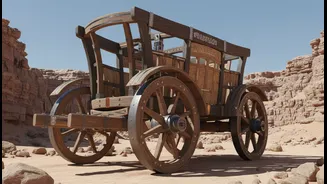
The design of the three chariots is not left to chance; it is a sacred mandate passed down through centuries. Each chariot is dedicated to one of the divine siblings: Nandighosha for Lord Jagannath, Taladhwaja for Lord Balabhadra, and Darpadalana for Goddess
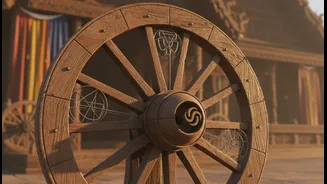
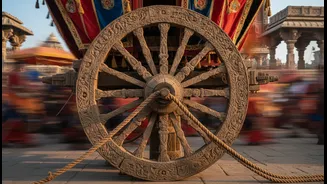
Subhadra. Ancient scriptures dictate nearly every detail, from their specific dimensions to the number of wheels and the colours of their canopies. Nandighosha, the tallest at 44 feet 2 inches, is draped in yellow and red cloth, signifying Lord Jagannath's identification with Krishna. Taladhwaja, for Lord Balabhadra, stands slightly smaller and is covered in red and green, while Subhadra's Darpadalana is adorned with red and black fabric. The number of wheels is also distinct—16 for Nandighosha, 14 for Taladhwaja, and 12 for Darpadalana—each with its own symbolic meaning. This meticulous adherence to tradition ensures that the chariots are not just structures, but living embodiments of religious texts and unwavering faith.
Generations of Craftsmanship
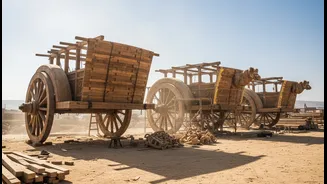
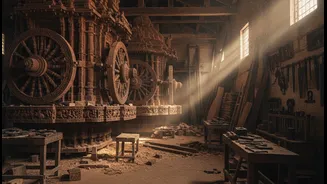
The construction of the chariots is a monumental task undertaken by a dedicated community of artisans, known as 'Maharanas' or 'Viswakarma Sevakas'. This sacred duty is hereditary, with skills and knowledge passed down from one generation to the next. The process begins on the auspicious day of Akshaya Tritiya, kicking off a strict 58-day schedule. Various teams of craftsmen, each with a specialised role, come together. The carpenters (Rupakars) sculpt the wood, blacksmiths (Kamara Sevaks) forge every nail and clamp by hand, painters (Chitrakars) create vibrant motifs, and tailors (Darjis) stitch the thousands of metres of cloth for the canopies. They use specific types of wood like Phassi, Dhausa, and Simli, traditionally sourced and brought to Puri with great ceremony. This collective effort, performed with devotional fervour more than for monetary gain, is a testament to the living heritage of Indian craftsmanship.
An Engineering Marvel
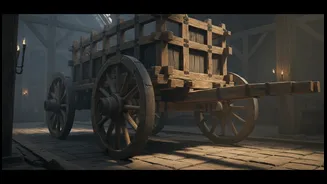
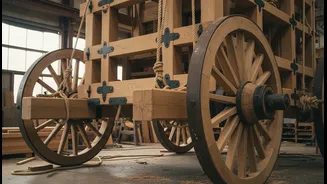
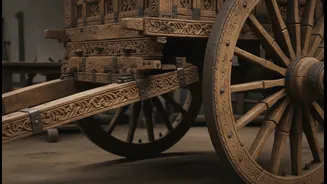
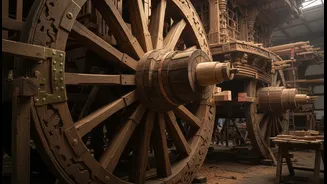
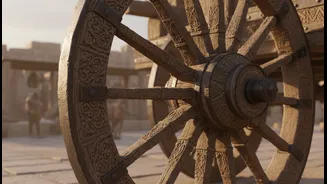
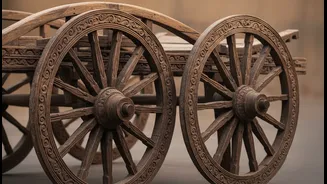
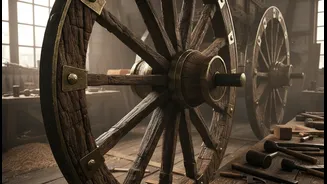
To construct three towering wooden structures, some over 40 feet tall and weighing several tonnes, without modern machinery or formal blueprints is a feat of remarkable engineering. The artisans use traditional knowledge of joinery and weight distribution that has been perfected over centuries. One of the most astonishing facts is that the main structures are assembled without a single modern metal nail; instead, the massive wooden components are joined using interlocking joints, pegs, and dowels. The blacksmiths handcraft around 70-75 different varieties of iron fittings and nails for other parts of the assembly, a painstaking process in itself. The immense wheels are fitted to axles, and a basic but effective braking system is put in place. The entire process relies on measurements passed down through generations, often using hand and finger lengths ('haat' and 'anguli'), yet resulting in perfectly proportioned, road-worthy vehicles every single year. This blend of structural integrity and traditional methods makes the chariots a marvel of ancient engineering.
The Journey of Unity
When the chariots finally stand complete on the Bada Danda, or Grand Avenue, they are a sight to behold. The culmination of faith, craft, and engineering is realised when millions of devotees gather to pull the thick coconut fibre ropes, setting the massive structures in motion. This act of pulling the chariots is considered a deeply spiritual and unifying experience, transcending caste and creed. The journey to the Gundicha Temple is a physical manifestation of the deities coming out to meet their followers. The movement of the chariots, guided by devotees, is a powerful symbol of a collective journey towards the divine, propelled by the three pillars of unwavering belief, generational skill, and the timeless wisdom of structural design. Each roll of the giant wheels on the Grand Road is a celebration of this incredible synthesis.