





A New Weapon in an Old War
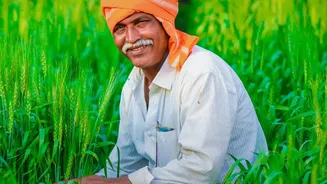
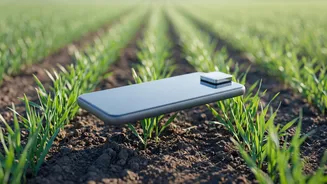
Across the agricultural heartlands of Punjab and Maharashtra, a quiet revolution is taking place. Farmers are turning their smartphones into powerful diagnostic tools, capable of identifying threats to their crops with unprecedented speed and accuracy.
India loses an estimated 15-25% of its crop production to pests and diseases annually, a devastating figure for the millions who depend on agriculture for their livelihood. Traditional methods of identifying these threats often rely on visual inspection and experience, which can be slow and prone to error. By the time a problem is correctly identified, it can often be too late. This new wave of agri-tech, however, leverages the power of AI to provide instant analysis and actionable advice, shifting the balance of power back to the farmer.
From Pocket to Paddock: How It Works
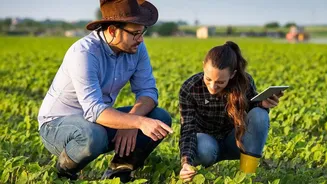
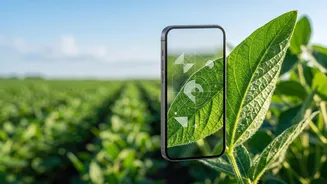
The technology works with elegant simplicity. A farmer notices a potential issue—a strange spot on a leaf, a wilting stem—and takes a photo with their smartphone. The image is then uploaded to an AI-powered application. The app's algorithm, which has been trained on vast databases containing thousands of images of plant diseases, analyzes the photo. It uses computer vision to identify tell-tale patterns, colours, and textures indicative of specific fungal, bacterial, or viral infections, as well as nutrient deficiencies. Within seconds, the system returns a diagnosis with a high degree of accuracy, along with recommendations for treatment. This process bypasses the need for an expert to visit the farm, saving crucial time and enabling immediate intervention.
Targeted Solutions for Local Problems
These AI tools are not one-size-fits-all. In Maharashtra, the government has backed the MahaVISTAAR-AI platform, a comprehensive tool that provides services in Marathi. Farmers can get instant pest identification and advisories, helping protect key regional crops like cotton, soybean, and onions. The app provides precise recommendations on which pesticides to use and in what quantity, helping reduce the overuse of chemicals and cutting input costs. In Punjab, known for its wheat and rice cultivation, apps like 'Fasal Doctor' are designed to work even in areas with poor connectivity by running the AI models directly on the device. These platforms tackle specific local threats, such as late blight in tomatoes or potato tuber moth, providing farmers with tailored, science-based guidance. One farmer from Punjab noted that while many are cautious, AI should be seen as a tool that makes them better and more efficient, not a replacement for their own intelligence.
The Tangible Impact on the Ground
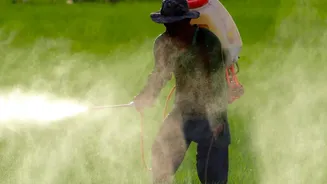
The benefits extend far beyond just identifying a pest. Early and accurate diagnosis allows for targeted action, which means less money spent on broad-spectrum pesticides and a healthier crop. This approach not only increases a farmer’s profitability but also promotes more sustainable agricultural practices. Farmers using these digital tools report significant improvements. Some studies have shown that precision agriculture can lead to yield improvements of 10-25% and reduce input costs by 15-20%. In Maharashtra, the MahaVISTAAR-AI platform has already been adopted by over a million farmers, who use its voice-enabled interface to get advice on everything from sowing times to market prices, bridging the digital literacy gap. This empowerment is critical in a sector where timely information can mean the difference between a successful harvest and a crippling loss.
The Future of Farming Is Smart
While challenges like internet connectivity and digital training remain, the trend is clear. Governments and startups are increasingly investing in this technology. Initiatives are underway to integrate satellite imagery and weather data with these AI platforms, allowing for predictive alerts about potential pest outbreaks before they even occur. This shift from reactive to proactive crop management represents a monumental leap forward for Indian agriculture. The smartphone, once just a tool for communication, is becoming an indispensable instrument for securing livelihoods and strengthening the nation's food supply. These AI breakthroughs are about more than just technology; they are about resilience, profitability, and a more sustainable future for the Indian farmer.