









The Shifting Career Landscape
For many history students, passion for the past is often met with anxiety about the future. The traditional pathways—becoming a professor or clearing the UPSC exam—are well-trodden but also incredibly competitive and saturated. This has left many graduates
with a rich understanding of historical context but an uncertain professional direction. The perception of history as a non-vocational subject has often overshadowed the valuable skills it imparts: critical analysis, complex argumentation, and rigorous research. Recognizing this gap, several institutions in the nation's capital have begun to bridge the divide between academic knowledge and professional application, creating structured opportunities that put these skills to immediate practical use.
A New Breed of Opportunity
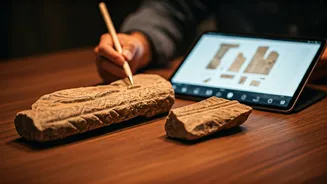
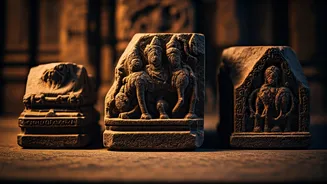
Enter the professional fellowship. Unlike purely academic scholarships, these programs are designed as intensive, hands-on apprenticeships. They place graduates directly within government bodies, museums, archives, and cultural institutions, offering them a chance to learn on the job while contributing to real-world projects. These fellowships are a far cry from dusty library stacks; they are about making history public, accessible, and relevant. Recently, the Delhi government announced new research fellowships in archives and archaeology to promote the documentation and conservation of the capital's heritage. These programs focus on building practical skills in everything from digital archiving and policy research to museum curation and heritage management.
Spotlight on Key Fellowships
Several high-impact fellowships are now on the radar for ambitious history graduates. The Delhi Assembly Research Centre (DARC) Fellowship, for instance, allows young professionals to work directly with legislators and government departments, offering a deep dive into the legislative process and public policy. Though not exclusively for history graduates, their research skills are highly valued. More specifically, the Delhi government's newly approved fellowships in archives and archaeology will engage fellows in managing, digitizing, and researching the city's historical records. Senior Research Fellows can receive a monthly stipend of Rs 50,000, with Junior Fellows receiving Rs 25,000, to work on themes like Delhi's administrative history, migration, and heritage sites. Similar opportunities, like the Tourism and Heritage Fellowship, offer young professionals a chance to work in heritage walks, content creation, and cultural event management, providing a clear path into the growing heritage tourism sector.
Building the Modern Historian's Toolkit
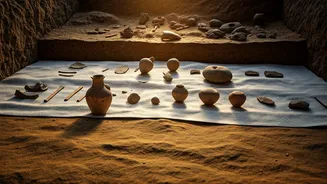
The core value of these fellowships lies in the skills they impart. A history degree teaches you how to think, but a fellowship teaches you how to apply that thinking in a professional context. Fellows don't just research; they learn to manage projects, communicate complex ideas to the public, handle digital tools for preservation, and work within institutional frameworks. The Delhi archaeology fellowship, for example, focuses on specific areas like the archaeology of the Delhi Ridge, digital conservation, and public archaeology. This hands-on experience in areas like records management, conservation, and even oriental languages like Urdu and Persian is invaluable and rarely part of a standard university curriculum. It transforms a graduate from a student of history into a practitioner of public history.
From Fellow to Professional
The career cue offered by these fellowships is loud and clear. Alumni from these programs are well-positioned to enter a variety of fields that value their unique blend of academic rigour and practical experience. These roles include policy analyst, museum curator, archivist, heritage consultant, and specialised content creator. They find employment in think tanks, media houses, government departments, and cultural non-profits. For example, fellows with the Delhi Assembly gain experience that is directly applicable to roles in policy research and governance. Those in the new archaeology and archival fellowships will become prime candidates for positions within the Department of Delhi Archives and other heritage bodies. These programs act as a crucial stepping stone, providing not just skills but also a professional network and a portfolio of work that makes graduates stand out in a competitive job market.