





Why Your Bedroom Needs Greenery
Our homes, and particularly our bedrooms, can trap indoor air pollutants from furniture, cleaning products, and dust. While opening a window helps, houseplants offer a constant, quiet way to improve your environment. Beyond their beauty, plants can contribute
to a sense of calm and well-being. Adding a touch of nature to the room where you rest and recharge is a simple step towards creating a healthier, more peaceful atmosphere. The snake plant and pothos are two of the easiest and most effective plants to start with.
The Unkillable Snake Plant
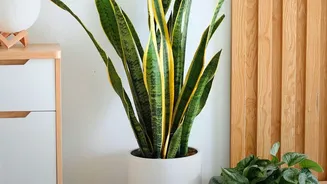
The snake plant, also known as Sansevieria or mother-in-law's tongue, is famous for its resilience and striking, upright leaves. It is one of the toughest houseplants you can own, making it perfect for beginners or anyone with a busy schedule. One of its most celebrated features is its ability to perform a special type of photosynthesis at night, releasing oxygen when you need it most during sleep. This unique quality makes it an ideal companion for the bedroom, helping to keep the air feeling fresh throughout the night.
Simple Care for Your Snake Plant
Caring for a snake plant truly rewards restraint. The biggest mistake is overwatering, which can cause root rot. Allow the soil to dry out completely between waterings; for many indoor environments, this might mean watering only once every two to four weeks, and even less in the winter. Snake plants are highly adaptable to different light conditions. While they prefer bright, indirect light, they tolerate low-light corners with grace, making them suitable for almost any bedroom. Plant them in a well-draining soil mix, such as one designed for cacti or succulents.
The Versatile Trailing Pothos
Pothos, or devil's ivy, is beloved for its heart-shaped leaves and lush, trailing vines that can add a touch of jungle charm to any space. This fast-growing plant is incredibly forgiving and visually rewarding. Like the snake plant, it's an excellent choice for beginners and thrives in a variety of indoor conditions. Its vines can be trained to climb a moss pole or allowed to cascade gracefully from a hanging basket, high shelf, or bookcase, instantly softening the lines of your furniture and making the room feel more inviting.
Effortless Care for Your Pothos
Pothos is not a fussy plant. It thrives in bright, indirect light but can also adapt to lower-light environments, though its variegation may fade in deep shade. It's best to avoid direct, harsh sunlight, which can scorch its leaves. Like the snake plant, pothos dislikes being overwatered. A good rule of thumb is to water thoroughly only when the top one to two inches of soil feel dry. It will do well in any standard, well-draining potting mix. Its resilience and simple needs make it an easy win for adding greenery to your bedroom.
A Note on Air Purification
The famous 1989 NASA Clean Air Study found that certain houseplants, including snake plants and pothos, could remove common volatile organic compounds (VOCs) like formaldehyde and benzene from sealed environments. While these plants do have air-purifying qualities, it is important to have realistic expectations. In a typical home with normal ventilation, you would need a very large number of plants to significantly alter the air quality. However, they are still a wonderful part of a holistic approach to a healthier indoor space, contributing to a fresher feel and boosting mental well-being.
A Word of Caution for Pet Owners
While these plants are fantastic for people, they are unfortunately toxic to cats and dogs if ingested. Both snake plants and pothos contain compounds that can cause mouth irritation, drooling, vomiting, and gastrointestinal upset in pets. If you have curious pets, it is crucial to place these plants well out of their reach—on high shelves, in hanging planters, or in rooms that your pets cannot access.