


The Golden Age of Juicing
Not long ago, juice bars popped up in every major city, and carrying a bottle of green or orange concoction became a status symbol for the health-conscious. The appeal was obvious: it’s a quick, convenient way to consume a large volume of vitamins and minerals
from fruits and vegetables. The term 'cold-pressed' added to the allure, suggesting a superior process that uses a hydraulic press to extract juice without the heat from traditional centrifugal juicers, supposedly preserving more delicate nutrients. For busy professionals and fitness enthusiasts, it seemed like the perfect nutritional shortcut.
The Crucial Component That Goes Missing
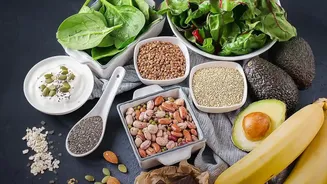
The main issue with juicing, regardless of the method, isn't about what's in the juice, but what's left out: dietary fiber. When fruits are pressed, the liquid is separated from the pulp, skin, and membranes. This solid material is where most of the fiber resides. Why does this matter? Fiber is a nutritional hero. It is essential for maintaining a healthy digestive system, but its benefits go much further. It helps you feel full and satisfied after eating, which is a key factor in managing weight. Without it, you are left with a drink that is much less filling than its whole-food equivalent.
The Unintended Sugar Spike
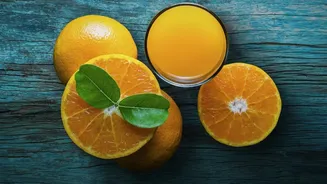
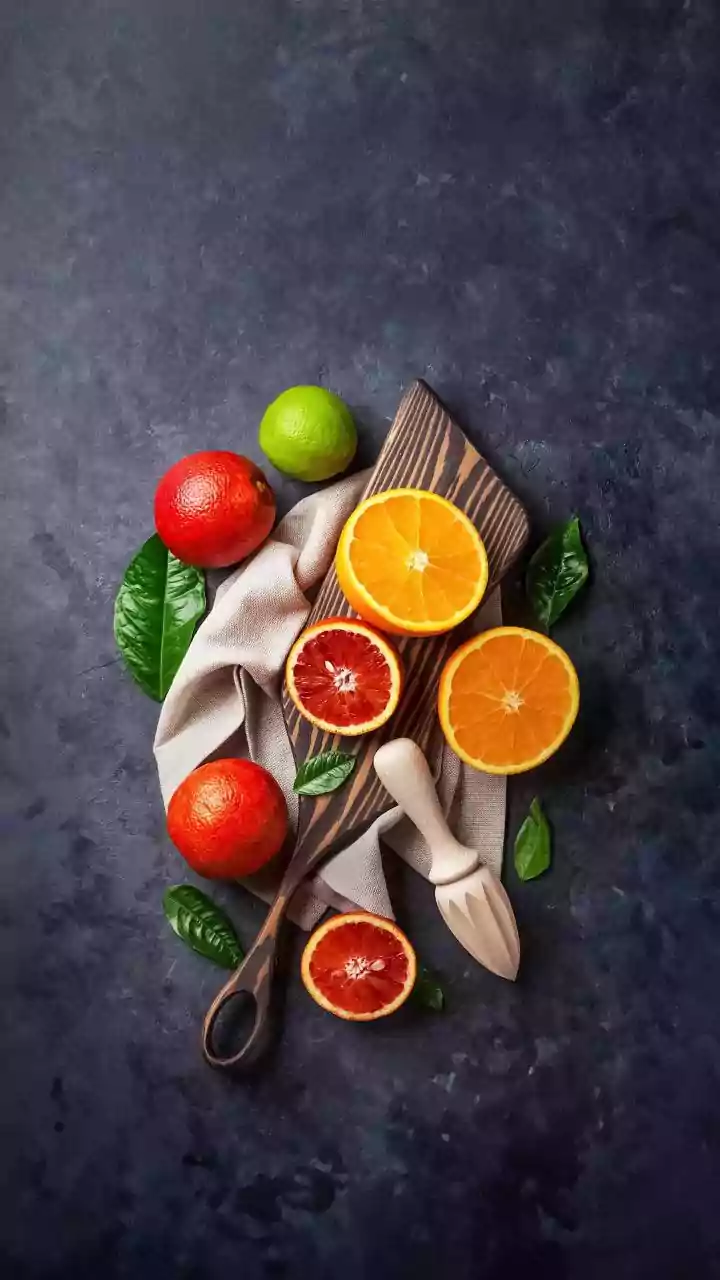
When you eat a whole orange, its sugars are encased in fibrous cell walls. Your body has to work to break them down, leading to a slow and steady release of sugar into your bloodstream. When you drink a glass of orange juice—which might contain three or four oranges—you consume all that sugar in a matter of minutes, without the fiber to slow it down. This causes a rapid spike in blood sugar and a subsequent insulin rush, similar to what happens when you drink a soda. Over time, frequent consumption of high-sugar, low-fiber drinks has been linked to an increased risk for conditions like type 2 diabetes, a stark contrast to whole fruit consumption, which is associated with a lower risk.
Why Whole Fruit Reigns Supreme
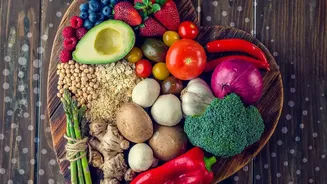
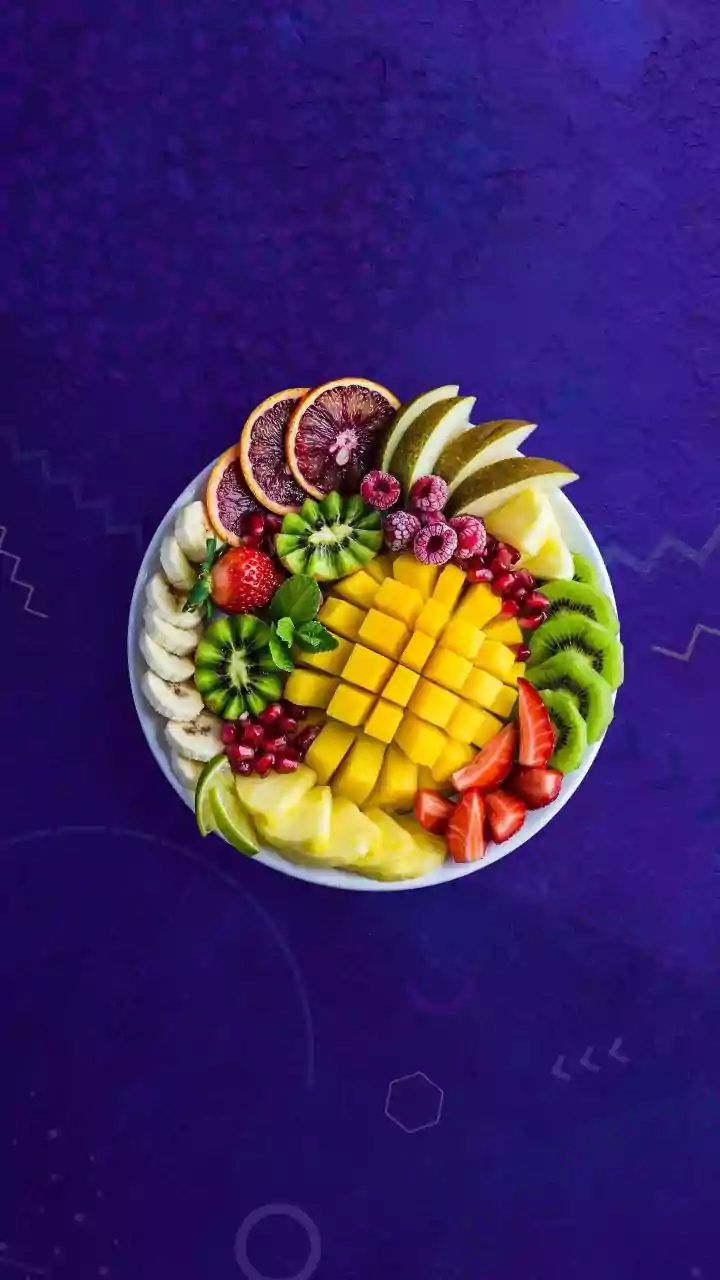
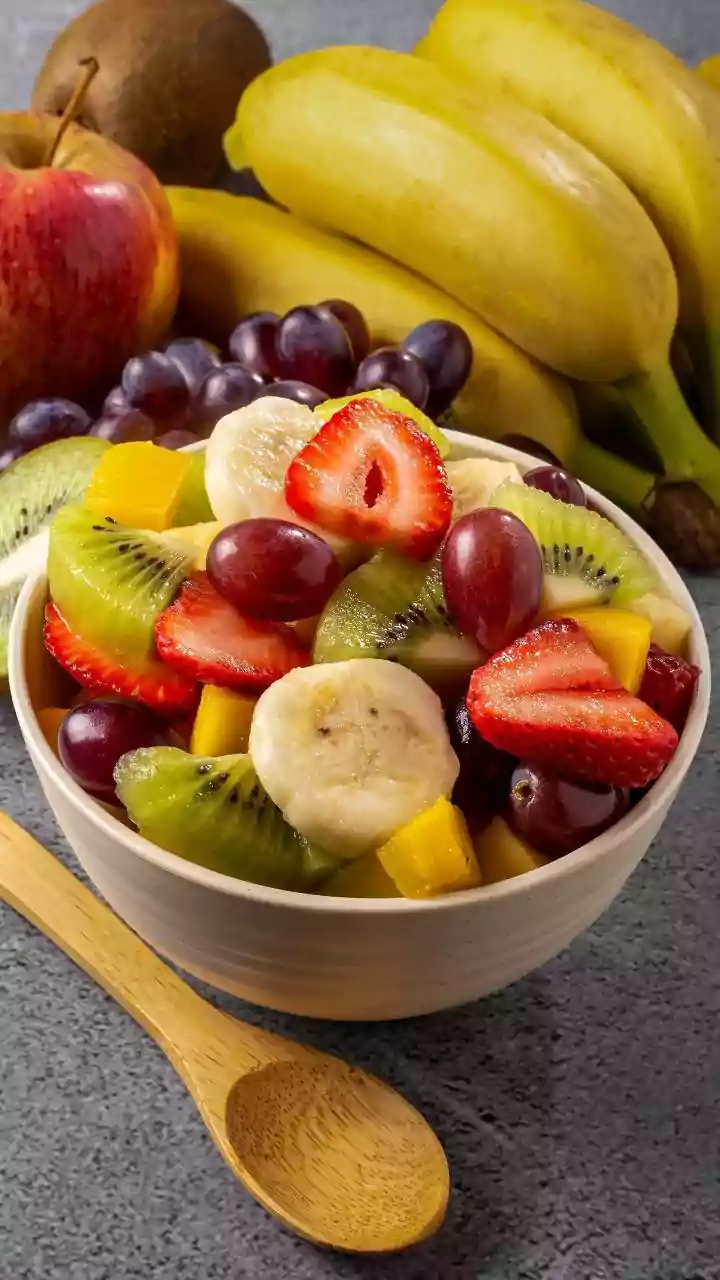
Eating a whole fruit is a completely different metabolic experience. The act of chewing itself signals to your body that food is coming, starting the digestive process. The combination of water and fiber provides volume, making you feel full and preventing overeating. You get the full spectrum of vitamins, minerals, antioxidants, and phytonutrients, many of which are bound to the fiber in the pulp and skin that gets discarded during juicing. A whole apple is a satisfying snack; the juice from three apples is just a sweet drink that will likely leave you hungry for more.
A Growing Awareness in India
This shift in thinking aligns perfectly with evolving health trends across India. There is a growing consumer focus on preventive health, holistic wellness, and food quality. More people are reading labels, questioning processed foods, and understanding the critical connection between gut health and overall wellbeing. In this context, a food's fiber content is becoming a celebrated attribute. As awareness around topics like gut microbiome and balanced nutrition grows, the logic of choosing a fiber-rich whole food over a fiber-deficient juice becomes increasingly compelling for health-savvy Indians.
Is There Still a Place for Juice?
This doesn't mean you must banish juice forever. A small glass of fresh, unsweetened juice can be an occasional treat or a way to get some nutrients in if you truly cannot eat whole fruits. Vegetable-heavy juices are also generally lower in sugar than their fruit-based counterparts. However, it should not be considered a substitute for eating actual fruits and vegetables. If you are looking for a drinkable option, blending a smoothie is a far better choice. Blending uses the entire fruit or vegetable, so all the beneficial fiber remains in your drink, creating a more filling and blood-sugar-friendly beverage.