



More Than a Bargain, It's a Statement
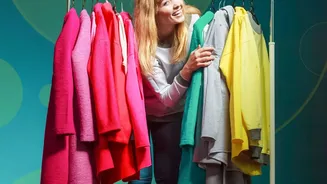
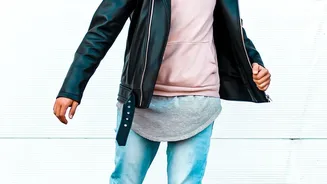
The new wave of thrifting is less about just saving money and more about making a statement. For Gen Z and millennial shoppers, it's a multi-layered decision. Firstly, it’s a direct stand against the environmental impact of the fast-fashion industry,
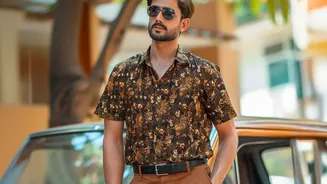
which is a major contributor to textile waste and carbon emissions. By giving clothes a second life, thrifters are actively participating in a circular economy. Secondly, it’s about curating a unique identity. In a world where global brands stock the same items everywhere, thrifted pieces offer exclusivity and a story. This cultural shift redefines pre-loved clothing, not as hand-me-downs, but as a conscious choice for individuality and sustainability.
The Secret Language of the Digital Dig
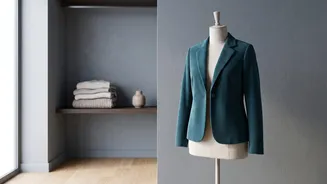
Forget dusty racks; the modern thrift hunt primarily happens online, especially on Instagram. This is where the real secrets lie. Success isn’t just about scrolling; it’s about knowing the ecosystem. Sellers, often young entrepreneurs themselves, curate collections and release them in 'drops'. Following your favourite stores and turning on notifications is key, as sought-after items sell out in minutes. To find these stores, search for hashtags like #ThriftIndia, #PrelovedFashion, and #VintageIndia. Pro tip: Get specific with terms like 'Y2K fashion' or 'vintage blazers' to narrow your search. Vetting sellers is crucial. Look for clear photos, detailed descriptions, and transparent return policies.
Know Your Measurements, Not Just Your Size
Here's a golden rule for online thrifting: size labels are suggestions, but measurements are facts. Since you're often buying from different eras and brands, a 'medium' from one can be vastly different from another. Most reputable online thrift stores provide detailed measurements for the chest, shoulders, and length of a garment. Before you even start browsing, take your own key measurements. Keep a note on your phone with the measurements of your best-fitting shirt, trousers, and jacket. When you see an item you love, you can quickly compare the numbers and buy with confidence, avoiding the disappointment of a poor fit. This is the single most important secret to avoiding online thrift mistakes.
Mastering the Art of the Physical Hunt
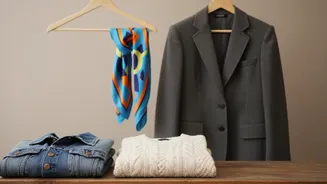
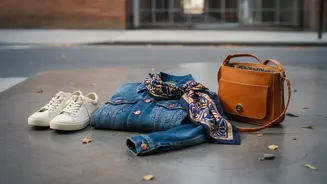
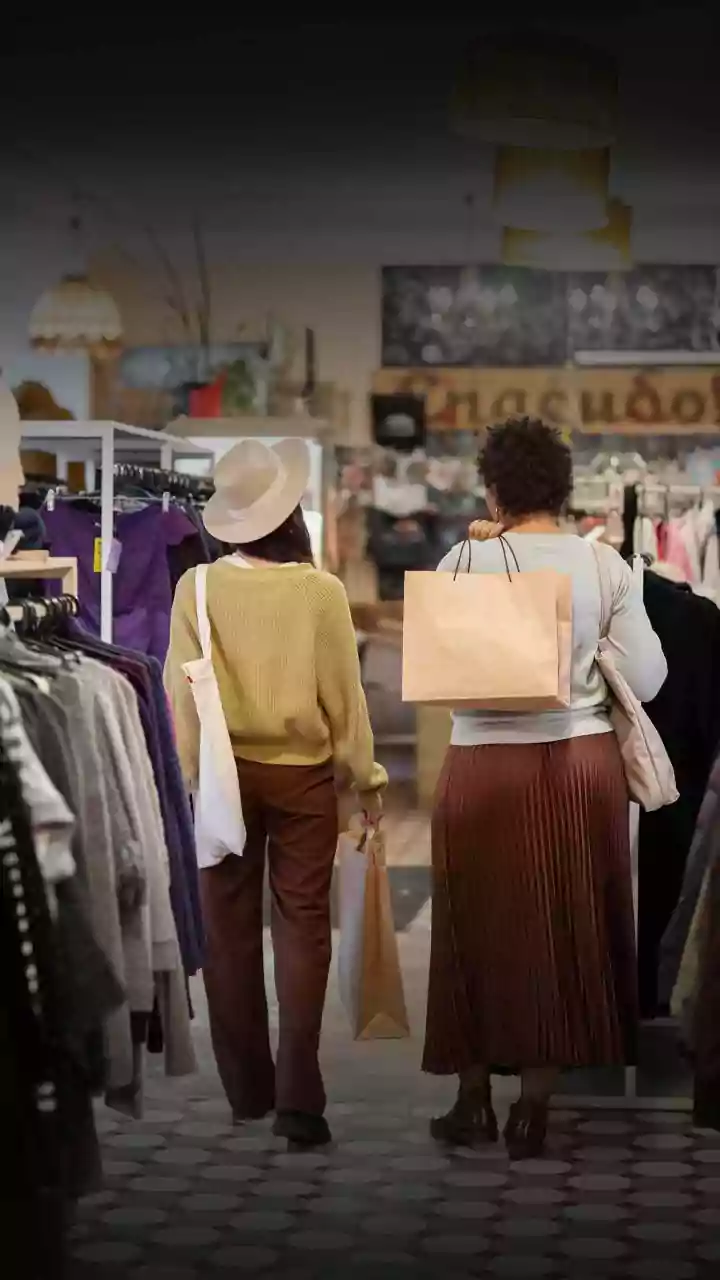
While the digital space is booming, India's iconic street markets are still treasure troves for the patient hunter. Cities like Delhi (Sarojini Nagar), Mumbai (Linking Road, Colaba Causeway), and Bangalore (Commercial Street) have legendary markets for second-hand and export-surplus clothing. The secret here is patience and a keen eye. Don't be overwhelmed by the sheer volume. Go with a loose idea of what you want—like a denim jacket or a floral dress—but keep an open mind for unexpected gems. Always inspect items carefully for stains or damage before buying, and don't be afraid to bargain respectfully. It’s a completely different, more tactile experience that many thrifters find incredibly rewarding.
The Final Touch: Upcycling and Care
Part of the thrifting ethos is extending the life of a garment, and that doesn't stop once you've bought it. A small stain or a missing button shouldn't be a dealbreaker. In fact, many seasoned thrifters see these as opportunities. Students and creative individuals often upcycle their finds by painting, embroidering, or altering them to create truly one-of-a-kind custom pieces. Learning basic mending skills is a superpower in the world of sustainable fashion. Properly caring for your thrifted clothes—washing them gently, repairing small flaws—is the final secret. It embraces the history of the piece while ensuring it has a long future in your unique wardrobe.