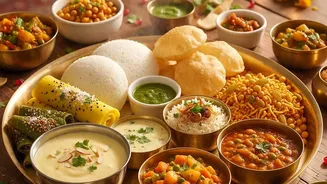


During Navratri, a familiar food hero emerges: the humble sabudana. As fasting begins, orders for Sabudana Khichdi and Vada spike on apps like Swiggy. But what makes these dishes the undisputed champions of the season? Let's unpack the trend.
The Tradition of Navratri Feasting
Navratri,
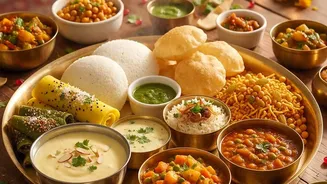
a nine-night festival dedicated to Goddess Durga, is a period of spiritual reflection that often involves fasting, or 'vrat'. This isn't about complete abstinence from food. Instead, it’s a dietary discipline that excludes regular grains like wheat and rice, lentils, onions, garlic, and common salt. Permitted foods include fruits, dairy products, certain vegetables like potatoes, and specific flours and pseudo-grains such as kuttu (buckwheat), singhara (water chestnut), and rajgira (amaranth). The goal is to consume 'sattvic' foods that are light and easy to digest. This culinary shift creates a unique menu, paving the way for ingredients that provide energy while adhering to tradition.
Sabudana: The Fasting Powerhouse
Enter sabudana, or tapioca pearls. Derived from the starch of the cassava root, sabudana is a powerhouse of carbohydrates, making it an excellent source of quick energy during a fast. Its high carb content helps keep devotees fuelled and prevents the fatigue that can accompany a restricted diet. Crucially, sabudana is grain-free and naturally gluten-free, fitting perfectly within the rules of Navratri vrat. It’s also light on the stomach and easy to digest, which is another reason it has been a fasting staple for generations, long before 'gluten-free' became a dietary trend. When soaked, the pearls become soft and chewy, providing a unique texture that is central to its appeal.
Khichdi and Vada: Comfort and Crunch
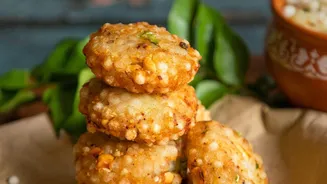
While sabudana can be prepared in many ways, including as a sweet kheer, it's the savoury duo of Khichdi and Vada that truly rules the Navratri menu. Sabudana Khichdi is a comforting, stir-fried dish popular across Maharashtra, Gujarat, and other states. It’s typically made with soaked sabudana, boiled potatoes, roasted peanuts, green chillies, and cumin, seasoned with rock salt ('sendha namak'). The peanuts add a welcome crunch and a dose of protein and fat, making the meal more balanced. Sabudana Vada offers a different kind of satisfaction. These are deep-fried patties made from a similar mixture of mashed potatoes, soaked sabudana, and peanuts. Crispy on the outside and soft on the inside, they are an indulgent snack that perfectly complements the fasting period. Together, the khichdi and vada represent the two sides of festive food: nourishment and celebration.
The Swiggy Effect: Tradition Delivered
In recent years, food delivery platforms have revolutionised how Indians celebrate festivals. For many, observing fasts can be challenging amidst busy work schedules or for those living away from home who may not know the specific recipes. Apps like Swiggy bridge this gap, delivering traditional vrat-friendly meals directly to their doorsteps. Restaurants create special Navratri menus, featuring everything from individual dishes to complete 'vrat thalis'. This convenience has made it easier than ever for people to participate in dietary traditions without the stress of preparation, effectively turning a smartphone into a gateway for cultural observance.
A Look at the Data
The demand for sabudana during Navratri is not just anecdotal; the numbers tell a compelling story. According to recent data from Swiggy, sabudana-based dishes were the most ordered items among those observing fasts this year. During the peak festive weekend of October 17–18, Swiggy delivered an average of 1,794 sabudana dishes every hour across India. Sabudana Khichdi and Sabudana Vada were the clear favourites within this category. Cities like Mumbai and Bengaluru led the demand for Khichdi, with Pune and Jaipur also showing strong order volumes, highlighting the dish's widespread appeal. Beyond individual dishes, curated Navratri thalis featuring items like Singhara Poori were also immensely popular, with one customer in Noida placing a single order worth over ₹11,000 for 13 such thalis.