







A Landmark Directive for Passenger Parity
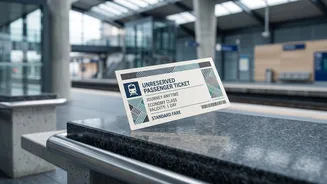
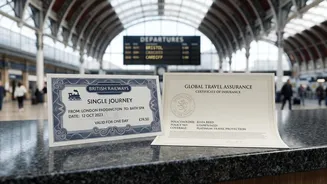
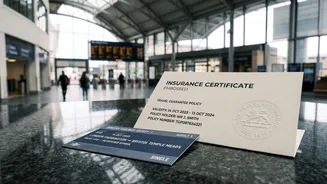
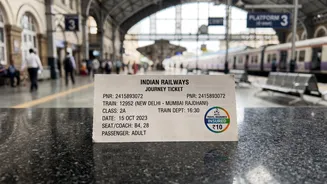
Following a directive from the Supreme Court of India, Indian Railways will extend its travel insurance scheme to passengers who purchase their tickets from physical counters at railway stations. This change, effective from October 27, 2026, aims to provide
equal access to safety benefits for all travellers, regardless of how they book their journey. Previously, the optional insurance scheme was only available to those who booked tickets through the IRCTC website or mobile app. The court's decision was part of a broader hearing on railway safety measures, prompted in the aftermath of the Odisha train accident in June 2023, ensuring millions who rely on traditional ticketing methods are no longer excluded from this financial protection.
How the Scheme Will Work at Counters
The Supreme Court has made it mandatory for the Railways to implement this directive, placing the responsibility directly on the Railway Board. While the exact mechanism for counter bookings is yet to be detailed by the authorities, the court's order specifies that the insurance should be provided 'in the same manner as tickets purchased online'. For online tickets, passengers are given the option to add insurance for a nominal fee during the booking process. It is expected that a similar process will be integrated at the ticket counters, where passengers will likely be asked if they wish to opt-in for the coverage when purchasing their ticket. The final process for issuing policies and handling claims for these tickets will be clarified by the Railways soon.
Understanding the Insurance Coverage
The existing travel insurance scheme for e-ticket holders offers substantial coverage for a very low premium. While the premium for counter tickets is yet to be confirmed, the online scheme charges just 45 paise per passenger. For this amount, the coverage is extensive. It includes financial compensation in the unfortunate event of a train accident or other 'untoward incidents' as defined by the Railways Act. The policy provides Rs. 10 lakh in case of death or permanent total disability. For permanent partial disability, the coverage is up to Rs. 7.5 lakh, and it also includes up to Rs. 2 lakh for hospitalization expenses and Rs. 10,000 for the transportation of mortal remains. This coverage protects passengers from the moment their journey begins until they have disembarked at their destination.
Who Is Eligible for This Benefit?
The travel insurance scheme is available to all Indian citizens travelling on confirmed or RAC (Reservation Against Cancellation) tickets. Foreign nationals are not eligible for this scheme. An important detail from the existing online policy is that children below the age of five, for whom a berth is not booked, are not covered. The extension of this service to counter tickets is a significant step towards inclusivity, especially for passengers from rural and semi-urban areas who may not have access to or prefer not to use digital booking platforms. The mandatory implementation ensures that financial protection is not just a privilege for the digitally savvy but a basic provision for every railway passenger.
Why This Parity in Service Matters
This decision reinforces the principle that passenger safety and welfare are paramount, irrespective of the booking channel used. For millions of people, particularly in the lower economic strata, railway counters are the primary and only means of securing travel tickets. By denying them access to the insurance scheme, a disparity was created where those who perhaps needed financial protection the most were left without it. This Supreme Court directive corrects that imbalance, recognizing insurance as an essential safeguard rather than an optional luxury. It marks a crucial move toward making financial security an integral part of every train journey in India, bolstering public trust and reinforcing the accountability of the national transporter.