



A Major Shift in Travel Habits
For decades, a trip to Europe for many Indians meant a whirlwind tour of Paris, Rome, and the Swiss Alps. Today, a new generation of travellers is rewriting that script. They are seeking immersive, single-event holidays over checklist-style sightseeing,
and Oktoberfest fits perfectly. Recent data shows a sharp rise in Indian interest in Munich during the festival period. In fact, air bookings from India for the 2026 festival have surged by nearly 60% compared to the previous year, one of the fastest growth rates of any international market. This isn't just a small uptick; it signals a fundamental change in how Indians are choosing to explore the world, prioritising unique cultural experiences over ticking off landmarks.
The Power of Experiential Travel
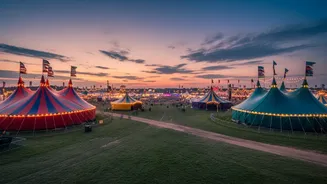
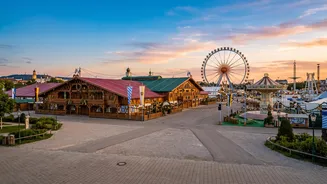
Driving this shift is the desire for experiences over possessions. Modern Indian travellers, particularly millennials and Gen Z, want stories to tell and memories to share. Oktoberfest, a 16-day folk festival that draws over six million visitors, offers just that. It’s more than a beer festival; it’s a vibrant carnival with fairground rides, traditional Bavarian food, brass bands, and a communal atmosphere that feels electric. Unlike a quiet museum visit, it’s an active, participatory event. This aligns with a broader trend where travellers want to immerse themselves in local celebrations, a phenomenon also seen with the rising popularity of Spain's La Tomatina or Vietnam's lantern festivals among Indians.
Cultural Curiosity and surprising Parallels
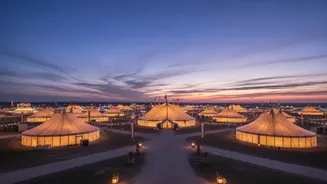
At first glance, a German beer festival might seem worlds away from Indian culture. But the core of Oktoberfest—a massive, communal celebration filled with music, food, and joy—resonates deeply. It has been described as less of a single event and more of a temporary city built for celebration, much like a grand Indian wedding or a large-scale mela. The entry to the festival grounds is free, adding to its accessibility. This sense of a large-scale public festival, open to all, strikes a familiar chord. As Indians travel more, their curiosity about global cultures has grown, and Oktoberfest offers a concentrated, world-famous dose of Bavarian tradition that is both foreign and accessible.
The Economics of Aspiration
A European festival trip is no longer the exclusive domain of the ultra-wealthy. Improved air connectivity, with a 28% increase in monthly flights between India and Germany from 2019 to early 2025, has made travel easier. Tour operators and travel-tech companies have been quick to notice the trend, offering curated Oktoberfest packages that simplify logistics, from flights and visas to coveted tent reservations. While a trip to Munich during the festival requires careful budgeting—hotel prices can triple—the overall cost is becoming more manageable for India's expanding upper-middle class. Furthermore, data shows Indians are staying longer, with trips of 14 nights or more increasing by 13% for the 2026 festival, suggesting travellers are combining the event with a broader exploration of Germany.
More Than Just Beer
While beer is central to Oktoberfest, its appeal is much broader, which helps explain its growing popularity among a diverse Indian audience. The festival is family-friendly, with specific days offering reduced prices on carnival rides and stalls. The enormous fairground features everything from roller coasters to Ferris wheels, and the food tents serve up a wide array of hearty Bavarian cuisine, not just pretzels. This multi-faceted nature means the festival appeals to non-drinkers, families, and solo travellers alike. Data for 2026 shows that solo travellers now account for 47% of air bookings, highlighting that individuals are increasingly comfortable making the trip independently to soak in the unique atmosphere.