



The Mountain Apothecary
In the shadow of the world's highest peaks, survival has always depended on a deep connection to the land. This is especially true in the realms of health and wellness, where Himalayan communities have developed sophisticated systems of traditional medicine.
Long before modern pharmaceuticals, the mountains provided everything needed for healing. The knowledge of which leaf to pluck for a fever, which root to boil for an ache, and which flower to steep for vitality has been passed down through generations, forming a living library of ethnobotanical wisdom. These practices are not just about treating illness but maintaining a holistic balance between the body, mind, and the harsh but generous environment.
Sikkim's Floral Remedies
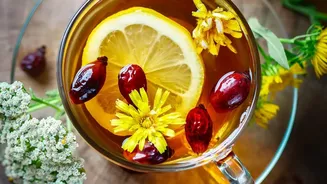
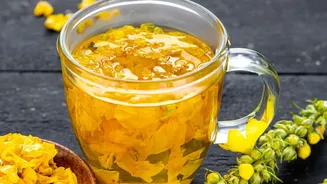
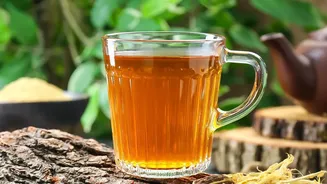
In Sikkim, a state celebrated for its incredible biodiversity, traditional healing is deeply woven into the cultural fabric of communities like the Lepcha and Bhutia. One of the most iconic botanicals is the rhododendron, whose vibrant red flowers blanket the hillsides in spring. Far from just being ornamental, the petals are brewed into a fragrant, tangy tea known locally as 'Gurans'. This brew is traditionally used to aid digestion, reduce inflammation, and support lung health. Beyond the famous rhododendron, Sikkim's healers utilize a vast array of plants like Jatamansi for stress relief and Chirato for fevers, often preparing them as decoctions that form a core part of their daily wellness rituals.
Ladakh's High-Altitude Healers
Further west, in the cold desert of Ladakh, healing traditions are guided by the ancient principles of Sowa-Rigpa, or Tibetan medicine. Practiced by traditional healers known as Amchis, this system aims to balance the body's fundamental energies. Here, the undisputed star is the sea buckthorn berry, a tiny, bright orange fruit known as the 'wonder berry' or 'Leh berry'. Thriving in extreme conditions, it produces a tea packed with more Vitamin C than an orange, along with antioxidants and rare Omega-7 fatty acids. This brew is a vital source of energy and immunity for locals. Another key herb is Rhodiola, an adaptogen used to combat fatigue and the effects of high altitude.
From Foraging to Fermentation
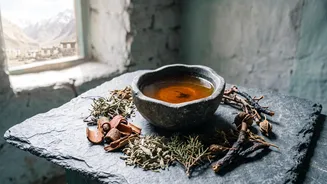
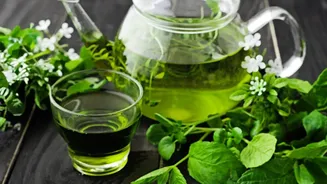
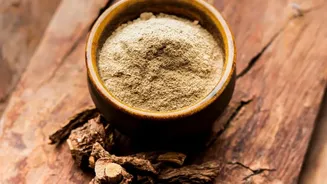
The creation of these Himalayan brews is a practice steeped in ritual and respect. It begins with sustainable foraging, where healers collect plants according to season and with a deep understanding of the ecosystem to ensure future growth. The process is never rushed. Flowers, leaves, and roots are carefully dried, often in the shade to preserve their potent compounds. The brewing itself can be a simple infusion in hot water or a more complex decoction simmered over hours. For many, the act of preparing and drinking the brew is a moment of mindfulness, a ritual that connects them to the land and the wisdom of their ancestors.
Ancient Wisdom in a Modern World
Today, these ancient traditions are at a crossroads. The global wellness boom has brought unprecedented attention to Himalayan botanicals like sea buckthorn and rhododendron. While this offers economic opportunities for local communities, it also raises concerns about over-harvesting and the commercialisation of sacred knowledge. Yet, there is a growing dialogue between traditional practice and modern science, with studies beginning to validate the anti-inflammatory, antioxidant, and adaptogenic properties that healers have known about for centuries. This intersection highlights the importance of preserving not just the plants, but the cultural systems that have safeguarded their use.