
The Sweetness of Tradition
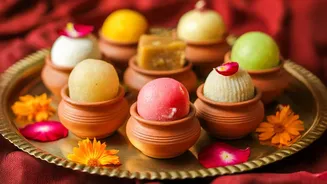
Janmashtami, the celebration of Lord Krishna's birth, is a festival steeped in devotion, music, and of course, food. The offering of 'prasad' is central to the puja, with a lavish spread of 56 dishes known as 'Chappan Bhog' often prepared. Sweets are the star
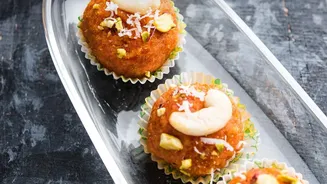
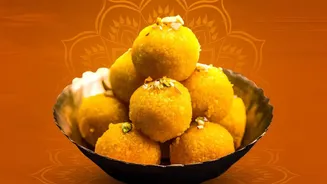
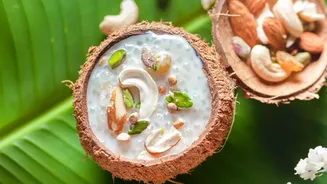
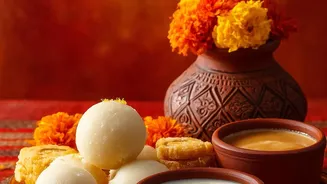
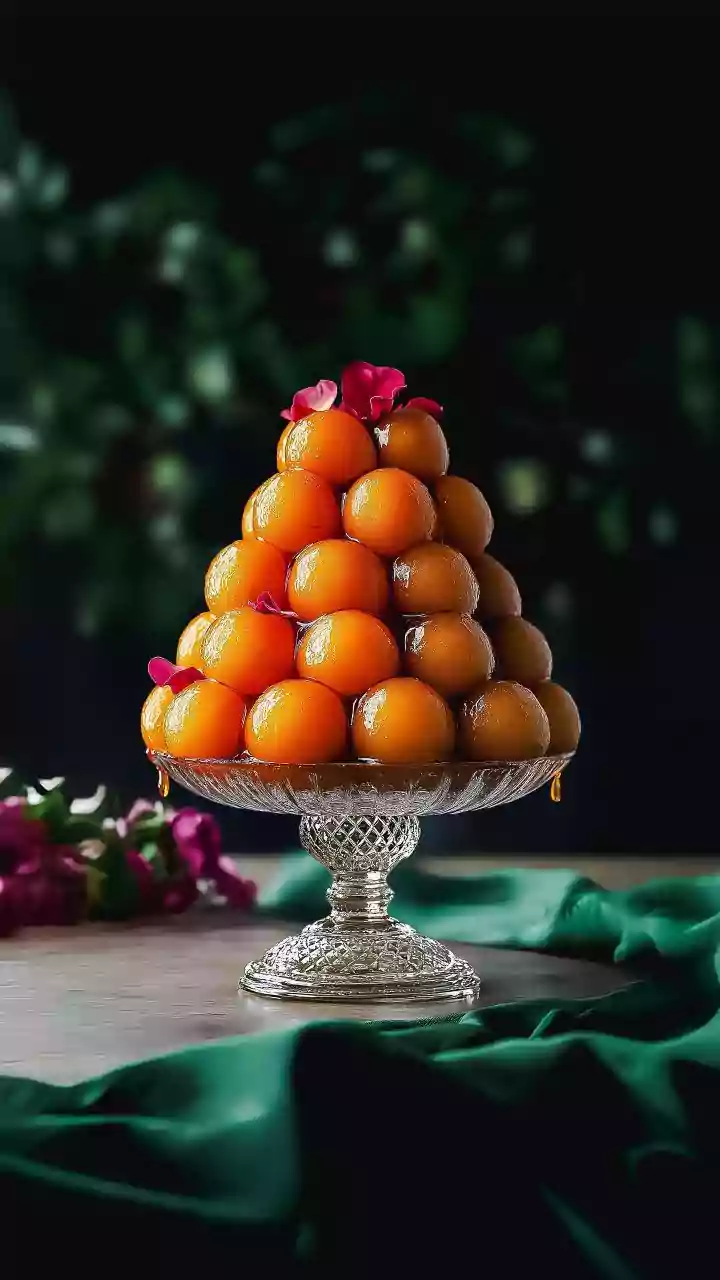
of this offering, with classics like Panjiri, Makhana Kheer, Peda, and various ladoos signifying joy and auspiciousness. For generations, these recipes, rich in ghee, milk, and sugar, have been passed down as cherished family traditions, their familiar tastes forming the very fabric of festive memories.
A New Generation's Offering
However, a change is underway, led not by celebrity chefs in fancy kitchens, but by decentralised groups of young home cooks, food bloggers, and small-scale entrepreneurs. These youth collectives, connected through social media and community networks, are re-examining these age-old recipes. Driven by a growing awareness around health and wellness, they are asking a simple question: How can we indulge in the festive spirit without the guilt of refined sugar and excessive calories? Their answer is not to abandon tradition, but to adapt it for a more conscious lifestyle, ensuring that everyone, including those with dietary restrictions, can partake in the celebrations.
From Sugar to Superfoods
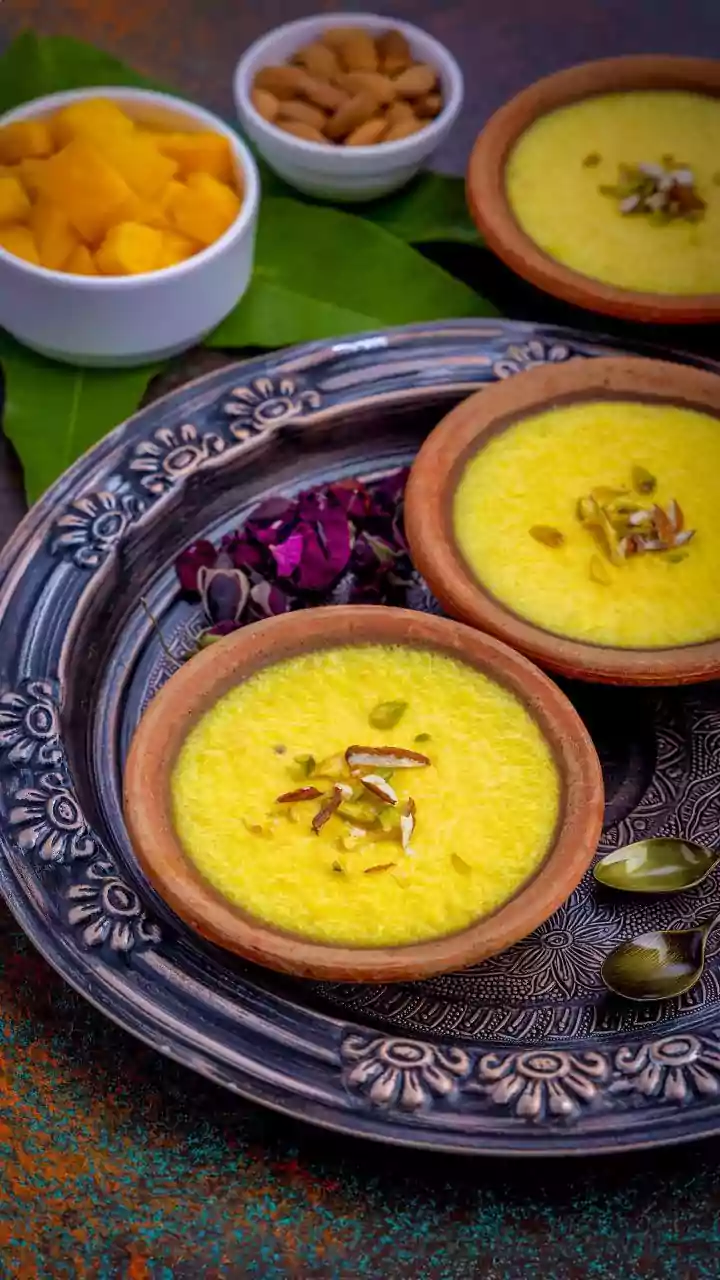
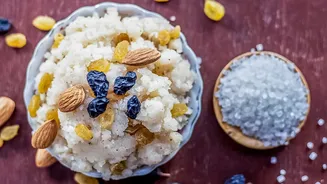
The magic of this movement lies in smart, creative substitutions. Refined white sugar is the first to go, replaced by a wealth of natural sweeteners that Indian kitchens have known for centuries. Jaggery ('gud') lends a deep, caramel-like flavour and is rich in iron. Date paste and chopped figs ('anjeer') provide sweetness along with fibre and nutrients. The reimagined sweets are packed with goodness. Think of Date and Nut Ladoos that require no added sugar, or Panjiri made with whole wheat flour and sweetened with jaggery. Millets like ragi and bajra are replacing refined flour in some preparations, adding a dose of calcium and fibre. Even classics like Kheer are getting a makeover, with versions using carrots and dates for sweetness, or nutrient-dense makhana (fox nuts) as a base.
More Than Just a Recipe
This trend is about more than just cutting calories; it represents a deeper cultural shift. For these young innovators, it is a way of making their heritage relevant to their modern lives. It’s a form of 'culinary therapy' that connects them to their roots while embracing contemporary values of mindful eating and sustainability. By favouring local and natural ingredients, they are also supporting farmers and traditional food systems. This approach ensures that festive food is not just about indulgence, but also about nourishment for the body and soul, aligning perfectly with the spiritual essence of Janmashtami. This blend of tradition and innovation is even being recognized at a national level, with culinary competitions encouraging young chefs to reinterpret regional heritage.
The Community Connection
What makes this movement particularly powerful is its community-driven nature. Young chefs and home cooks use platforms like Instagram, WhatsApp, and food blogs to share their recipes, swap tips, and even sell their healthy creations. They host pop-ups and workshops, building a community around this shared passion for healthy, traditional food. This digital-age approach to cultural preservation is ensuring that these reimagined recipes reach a wide audience, inspiring others to try them in their own homes. It’s a grassroots movement that celebrates collaboration and shared knowledge, making festive traditions more inclusive and dynamic than ever before.