



The Right Pot and Place
Your journey begins with choosing the right home for your herbs. Terracotta or clay pots are often ideal as they are porous and allow roots to breathe, but any container with drainage holes will work. Drainage is the single most important factor, especially
during the rains, to prevent waterlogging and root rot. Position your pots where they will receive at least four to six hours of morning sunlight. In the intense summer, some afternoon shade is beneficial, but during the cloudy monsoon, maximizing light is key. Grouping pots together can help, but ensure there's enough space for air to circulate, which helps prevent fungal growth in the humid weather.
Perfecting the Soil Mix
Herbs don't need complicated soil. A light, airy, and well-draining potting mix is crucial for container gardening. Heavy garden soil can become compacted and waterlogged. A reliable DIY mix consists of equal parts garden soil, compost or vermicompost, and cocopeat. The compost provides essential nutrients, while cocopeat helps retain moisture without becoming soggy and improves aeration. This blend ensures your herb's roots get the right balance of moisture, nutrients, and oxygen they need to thrive.
Growing Glorious Basil (Tulsi)
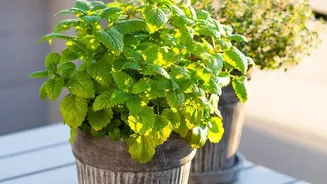
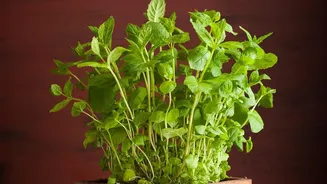
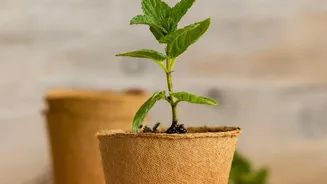
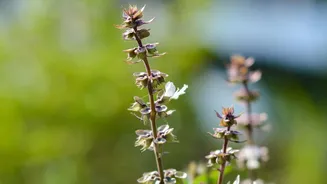
Basil, including the revered Tulsi, is a staple in many Indian households and is relatively easy to grow. It thrives in the monsoon season. You can grow it from seeds or, even more easily, from cuttings. Plant your seedlings or cuttings in a pot that is at least 8 inches deep to allow for strong root growth. Basil likes moist soil but is prone to root rot if overwatered. Let the top inch of soil dry out before watering again. To encourage a bushier plant with more leaves, regularly pinch off the top sets of leaves and any flowering buds that appear.
Mastering Mighty Mint (Pudina)
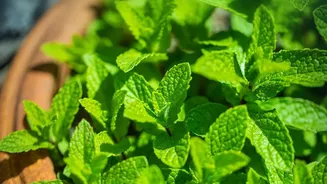
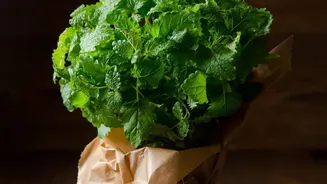
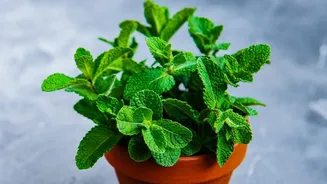
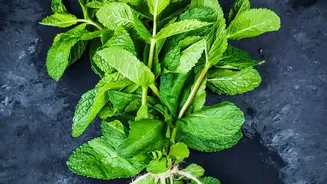
Mint, or Pudina, is famous for its refreshing flavour and its vigorous growth. In fact, it grows so well that it's best to keep it in its own pot, as its runners can quickly take over. A wide, shallow pot is perfect. You can easily propagate mint from a healthy stem cutting from the market; just place it in a glass of water for a week until roots appear, then plant it in soil. Mint loves moisture, which makes it perfect for the monsoon season. Harvest regularly by snipping stems, not by pulling individual leaves, to encourage bushier growth.
Cultivating Lemongrass
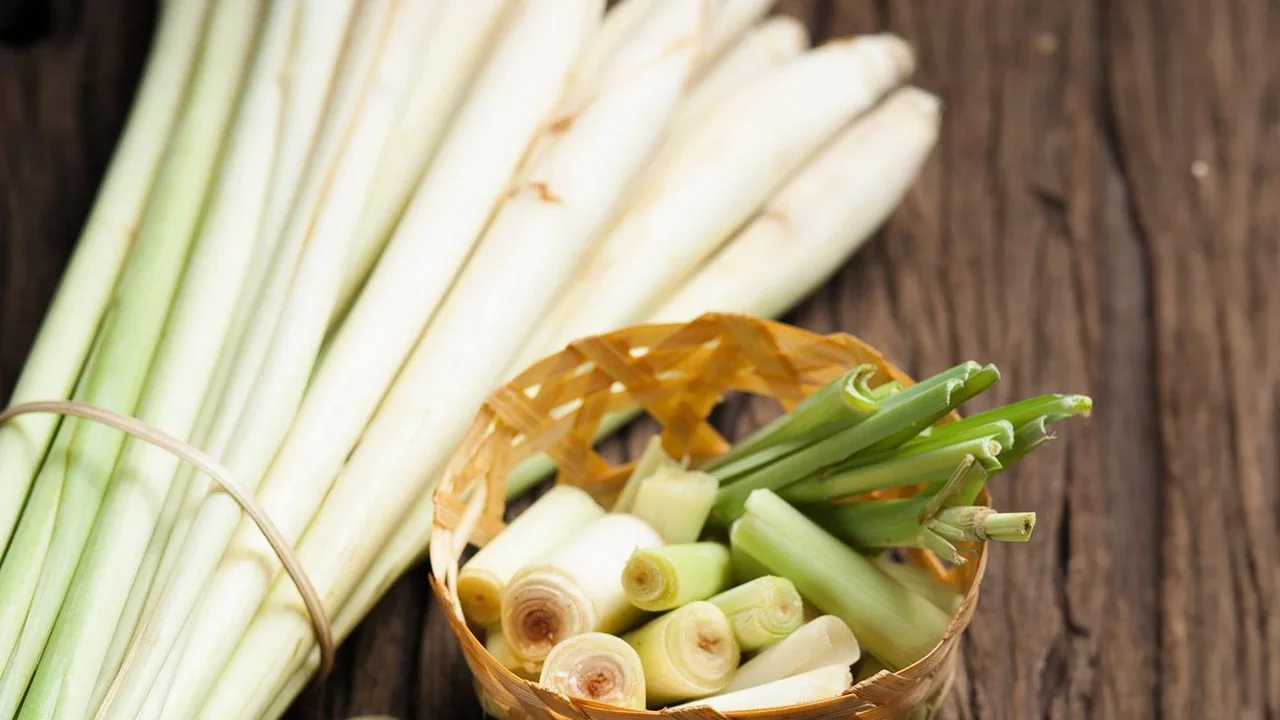
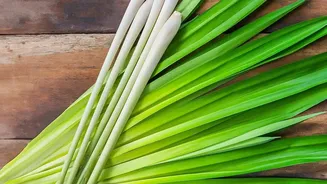
The citrusy aroma of fresh lemongrass is a wonderful addition to any balcony garden. This tropical grass loves warmth, humidity, and sun, making it well-suited to the Indian climate. Due to its size, choose a larger, deeper pot, at least 12 inches wide, to accommodate its growth. You can grow it from stalks bought at the market. Simply place the stalk's base in a glass of water, and once roots develop after a few weeks, plant it in your pot. Lemongrass is a thirsty plant, so ensure the soil remains consistently moist but not waterlogged.
Monsoon Care and Harvesting
While the monsoon provides ample water, it also brings challenges. The main goal is managing excess moisture. If heavy, continuous rain is forecast, consider moving smaller pots to a sheltered spot. You can also raise pots on bricks or stands to improve drainage and prevent them from sitting in puddles. Reduce your manual watering, only doing so when the topsoil feels dry. Prune away any yellowing or dead leaves to improve air circulation and prevent disease. When it's time to harvest, do so in the morning when the essential oils in the leaves are most concentrated. Regular, gentle harvesting encourages the plants to produce more, giving you a continuous supply of fresh flavours right at home.