



The Golden Spice: Turmeric
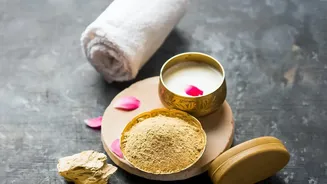
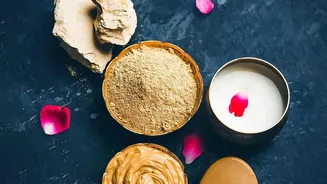
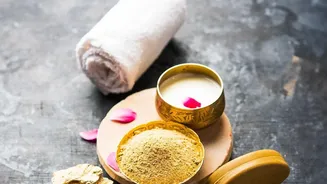
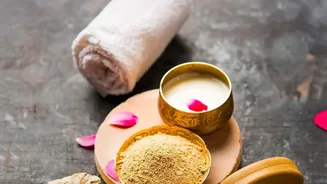
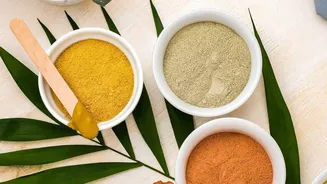
Historically, turmeric (haldi) has been a cornerstone of Indian beauty, most notably in the pre-wedding 'ubtan' ceremony to give brides a radiant glow. This paste, often made with gram flour, sandalwood, milk, was believed to purify and brighten the skin.
Royal women in various courts, including the Mughals, relied on turmeric for its purported ability to even out skin tone and reduce blemishes. The tradition was built on centuries of observation that turmeric application left the skin looking clear and luminous. Modern science has zeroed in on curcumin, the active compound in turmeric, as the source of its power. Numerous studies have confirmed that curcumin has potent anti-inflammatory, antioxidant, and antimicrobial properties. Research shows it can help manage inflammatory skin conditions, protect against UV-induced photoaging, and may even help improve skin barrier function. While the evidence for its direct skin-lightening effect is still considered early, its ability to reduce inflammation and fight oxidative stress provides a scientific basis for its reputation as a skin-enhancing ingredient.
The Royal Flush: Saffron
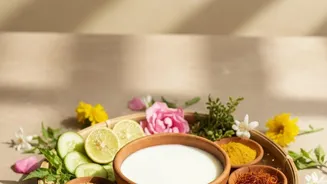
Referred to as 'red gold', saffron (kesar) has long been the ultimate luxury ingredient in royal beauty arsenals, from Rajputana to Kashmir. Queens were said to soak saffron strands in milk for face masks, believing it enhanced their complexion and gave them a divine glow. It was a prized ingredient in elixirs like Kumkumadi Tailam, used to reduce pigmentation and maintain youthful skin. The historical claim is simple: saffron creates luminous, even-toned skin. The clinical evidence is catching up. Saffron and its active components, crocin and safranal, are powerful antioxidants. Clinical trials have shown that topical saffron extract can measurably reduce skin redness and hyperpigmentation (dark spots) caused by inflammation. Some research also points to its benefits in treating atopic dermatitis (eczema). While it may not be the magical fairness potion of legend, science confirms that saffron's anti-inflammatory and depigmenting properties can lead to a calmer, brighter, and more even complexion.
Sacred Sandalwood: More Than a Fragrance
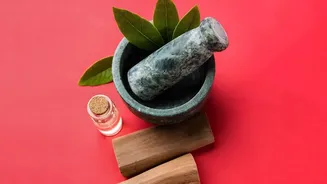
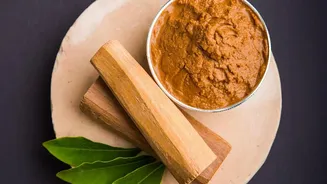
The cooling, fragrant paste of sandalwood (chandan) is a powerful image in Indian tradition, used for both sacred rituals and skincare. Rajput queens used it to soothe sun-stressed skin in harsh desert climates, while Mysore royals prized it for its brightening and calming effects on heat rash. Its historical use centres on its ability to cool inflammation, soothe irritation, and clarify the complexion. Scientific investigation validates many of these traditional uses. Clinical reviews highlight sandalwood oil's anti-inflammatory, antimicrobial, and antioxidant properties. Studies show it can be beneficial in managing skin conditions like acne, eczema, and psoriasis. Its active compound, santalol, acts similarly to some anti-inflammatory medications by reducing inflammation markers in the skin. Research has also shown it can protect skin from environmental stressors like pollution and blue light, even outperforming Vitamin E in some antioxidant tests.
Amla: The Ancient Hair Elixir
Amla, or the Indian gooseberry, has been a staple in Ayurvedic hair care for thousands of years. Traditionally used in hair oils and masks, it was believed to strengthen hair, promote growth, reduce premature greying, and add lustre. This belief is rooted in its classification as a 'Rasayana' in Ayurveda, an ingredient that promotes rejuvenation and longevity. Modern research has focused on amla's impressive nutritional profile. It is one of the richest natural sources of Vitamin C, a powerful antioxidant essential for collagen production. Emerging human clinical evidence, though still limited, suggests that amla can support the hair growth cycle and help reduce oxidative stress in hair follicles, which contributes to thinning. While bold claims that amla can block DHT (a hormone linked to hair loss) are based on lab studies and not yet proven in humans, its potent antioxidant and nourishing properties provide a strong scientific rationale for its traditional role in supporting overall scalp and hair health.