


The Science of Sublimation
The surprising culprit behind freezer burn is a process called sublimation. This happens when a solid turns directly into a gas, skipping the liquid phase entirely. In your freezer, the tiny ice crystals within the food are constantly looking for a colder
place to go. Over time, these ice crystals escape from the food's surface as water vapour. This loss of water molecules is what causes the food to become dehydrated, leaving behind the dry, leathery, and discoloured spots we call freezer burn. So, even if your freezer maintains a perfectly consistent temperature and the food never once begins to thaw, this slow moisture loss can still occur.
Why Air Is the Real Enemy
The single biggest contributor to freezer burn is exposure to air. The cold, dry air inside a freezer actively pulls moisture from the surface of any food it can reach. This is why improper packaging is the most common cause of the problem. When food isn't sealed in airtight wrapping, air gets in and creates the perfect environment for sublimation to accelerate. Even minor temperature fluctuations, such as those from your freezer's automatic defrost cycle or from simply opening the door, can speed up the process. As the temperature shifts, it creates a pumping effect, pulling even more moisture out of the food and depositing it as ice crystals on the food or the packaging itself.
Is Freezer-Burned Food Safe to Eat?
The good news is that freezer burn is a quality issue, not a safety one. According to food safety experts, food stored consistently at 0°F (-18°C) or below will remain safe to eat indefinitely because the freezing temperatures prevent the growth of harmful bacteria and microorganisms. However, while it won’t make you sick, freezer burn severely compromises the food's texture and flavour. The dehydration makes meats tough and leathery, vegetables shrivelled and dry, and gives ice cream an unpleasantly icy texture instead of a creamy one. The flavour can become bland or develop off-tastes due to oxidation, which happens when oxygen molecules seep in as water molecules escape.
Your Ultimate Guide to Prevention
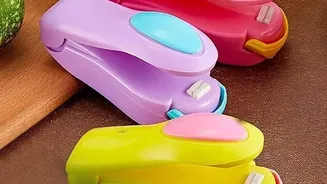
Preventing freezer burn is all about creating a barrier against air and minimising moisture loss. Start by using the right materials, such as heavy-duty freezer bags, freezer-safe plastic or glass containers, or vacuum-sealed bags. When using bags, remove as much air as possible before sealing. For meats, a double layer of protection—like wrapping it tightly in plastic wrap or foil before placing it in a freezer bag—offers extra security. Allow hot foods to cool completely before freezing; putting warm items in the freezer can raise the internal temperature and cause surrounding foods to partially thaw. Finally, keep your freezer organised and don't leave the door open for too long. This helps maintain a consistent, cold temperature, which slows down sublimation.
How to Salvage Affected Food
If you do find a package with mild freezer burn, don't rush to throw it out. For foods like roasts or chicken, you can often trim away the dry, discoloured spots before or after cooking. Since the main issue is a loss of moisture and flavour, the best way to use freezer-burned items is in dishes where moisture and strong seasonings are key. Soups, stews, and curries are excellent options. The slow, moist cooking process helps rehydrate the meat and the bold flavours can mask any blandness. For freezer-burned fruits, blending them into a smoothie is a great way to hide texture changes. While you can't reverse freezer burn, these methods can help you salvage the food and avoid unnecessary waste.