





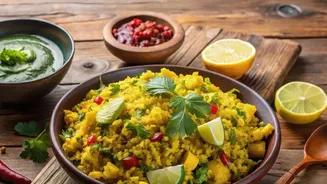
The Overture: Appetizers from the West
Let’s begin our culinary tour in Maharashtra, home to a unique and aromatic spice blend called Goda Masala. Unlike the fiery masalas of the North, 'goda' means 'sweet' in Marathi, but this refers to its flavour profile, not a sugary taste. This blend is a complex,
fragrant mix of toasted spices like coriander, cumin, sesame seeds, and often includes rare ingredients like black stone flower (dagad phool) and dried coconut, which give it a subtly sweet, nutty, and smoky aroma without much heat. For a festive appetizer, think beyond the usual samosa. Instead, use Goda Masala to season delicate patra (colocasia leaf rolls) or to create a fragrant stuffing for 'bharli vangi' (stuffed baby eggplants) served as a small plate. A sprinkle of this masala into a simple vegetable cutlet mixture can instantly elevate it, offering guests a taste that is both intriguing and comforting.
The Main Act: A Rich Curry from the North
For the centrepiece of your meal, we travel to the majestic valleys of Kashmir. Kashmiri cuisine is known for its rich, deeply coloured gravies that are warming and intensely flavourful. The star spice here is undoubtedly the Kashmiri red chilli, which is prized for its vibrant red hue and mild heat, allowing it to impart colour without overwhelming the dish. But the real soul of a Kashmiri vegetarian main course, like a creamy paneer preparation or the iconic 'dum aloo', comes from a trio of aromatic spices: fennel powder (saunf), dried ginger powder (sonth), and asafoetida (hing). This combination creates a flavour profile that is pungent, slightly sweet, and utterly unique. For your festive menu, a slow-cooked potato curry using these spices, simmered in a yogurt-based gravy, creates a dish that is both luxurious and deeply rooted in tradition.
The Perfect Accompaniment: A Side from the East
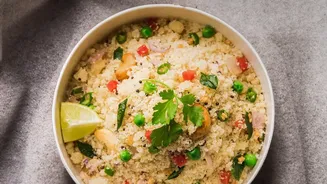
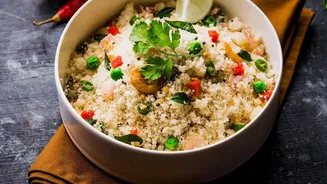
A great multi-course meal is all about balance, and the side dishes play a crucial role. From Eastern India, particularly Bengal, comes a spice blend that works like magic on simple vegetables: Panch Phoron. This is not a ground powder but a colourful mix of five whole spices: fenugreek seeds, nigella seeds, cumin seeds, fennel seeds, and mustard seeds. When tempered in hot oil, these seeds pop and crackle, releasing their individual aromas to create a singular, unified flavour that is nutty, slightly bitter, and wonderfully aromatic. A 'panch phoron tarkari'—a mixed vegetable stir-fry—is the perfect side dish. Use seasonal vegetables like potatoes, carrots, cauliflower, and peas. The tempering of panch phoron at the start is the only flavouring you need, transforming humble vegetables into a dish that crackles with flavour and perfectly complements the richer main course.
The Sweet Finale: Dessert with a Fragrant Twist
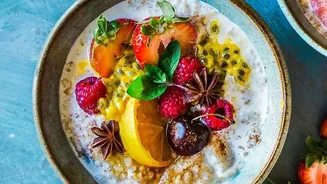
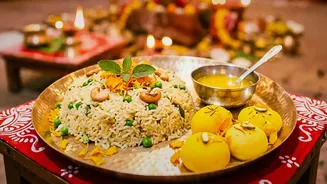
No Indian festive meal is complete without a touch of sweetness. While Western desserts often rely on vanilla, Indian sweets find their soul in spices. Green cardamom, or 'elaichi', is the undisputed king of dessert spices in India. Its intense, slightly sweet, and floral notes are essential in everything from kheer (rice pudding) and phirni to shrikhand (sweet strained yogurt). For your menu's finale, consider a creamy saffron and cardamom-infused phirni. The saffron will lend a beautiful golden hue and a luxurious, delicate flavour, while the cardamom provides that classic, aromatic warmth that signals a truly special occasion. Other spices like nutmeg or even fennel seed can also be used in sweets like ladoos or malpua to add another layer of complexity, proving that spices have a celebrated place in every course of the meal.