
The Promise of Speed: How It Works
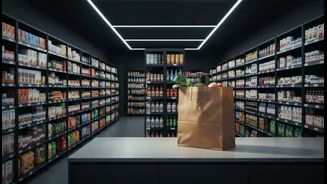
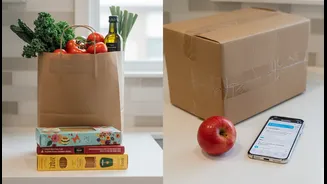
The secret to 10-minute delivery isn't magic, but a hyper-local model built around 'dark stores'. These are small, strategically placed warehouses that stock a limited range of high-demand groceries. Unlike vast, centralised warehouses, dark stores are not
open to the public and are designed purely for rapid order fulfillment. An order placed on an app like Zepto, Blinkit, or Swiggy Instamart is routed to the nearest dark store. Inside, workers quickly pick and pack the items, handing them off to a delivery partner waiting nearby. This entire process, from tap to doorbell, is optimised for speed, relying on sophisticated demand forecasting and route optimisation to meet the promised timeline.
Where Safety Can Falter
The pressure for speed can create weak points in the food safety chain. One major concern is maintaining the cold chain for perishable items like dairy, meat, and frozen foods. These products must be kept at specific temperatures (generally below 5°C for refrigerated and -18°C for frozen) to prevent bacterial growth. In a fast-moving dark store, frequent door openings and the rush to dispatch can lead to temperature fluctuations. In June 2025, a Zepto dark store had its license suspended by the Maharashtra FDA due to hygiene violations. More recently, in July 2026, the FSSAI issued nine notices to Swiggy Instamart following numerous consumer complaints about receiving expired, spoiled, and contaminated items. These incidents highlight that lapses in storage, handling, and inventory management, such as failing to follow the 'First In, First Out' (FIFO) principle, can and do happen.
The Role of Regulation
India’s food safety authority, FSSAI, is actively working to regulate this burgeoning sector. The rules state that quick-commerce platforms are considered Food Business Operators (FBOs) and are responsible for the safety of the products they deliver. This includes ensuring that their dark stores are licensed, staff are trained, and proper hygiene is maintained. Recent FSSAI directives mandate that platforms must display license information, ensure products have a reasonable shelf life (at least 45 days or 30% of total shelf life remaining), and maintain transparent records of their storage facilities. In response to consumer complaints, regulators have stepped up audits and inspections of dark stores across the country.
What You Can Do as a Consumer
While regulators and companies have their roles, consumers are the final line of defence. Upon receiving your order, take a moment to inspect everything. For packaged goods, check that the seals are intact and look for the manufacturing and expiry dates. For fresh produce, look for signs of spoilage, mould, or damage. When you receive cold items, they should feel cool to the touch. If an item looks or smells off, it's best to err on the side of caution and not consume it. Most platforms have a straightforward process for reporting issues and getting refunds, and doing so not only protects you but also provides valuable feedback to the company and regulators.
Shop Smart, Not Just Fast
Quick commerce is undeniably convenient, but it pays to be a mindful consumer. Consider using it for pantry top-ups and non-perishables rather than for your entire weekly shop, especially for sensitive items like fresh meat or delicate produce. If you receive an item that is substandard, immediately report it through the app. Documenting the issue with photos can be helpful. A refund might be offered, but it's crucial to report the underlying safety concern as well. By being vigilant, you can continue to enjoy the convenience of rapid delivery while minimising the potential risks.