


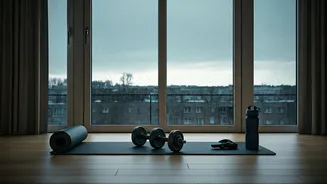


What Exactly is a Hybrid Workout?
A hybrid workout isn't one specific routine, but a training philosophy that blends different fitness disciplines, primarily strength training and cardiovascular exercise. The goal is to build a well-rounded physique and fitness level, enhancing everything
from muscle strength to heart health simultaneously. This approach is perfect for busy professionals because it maximizes results in minimal time, prevents workout boredom, and reduces the risk of injury by avoiding the repetitive strain of a single activity. You might combine strength lifting with a run on the same day or structure your week with dedicated days for different activities like weightlifting, HIIT, and yoga.
Routine 1: The Time-Cruncher Circuit
This routine is built for maximum efficiency and is ideal for days when you only have 30-40 minutes. It uses circuit training, moving from one exercise to the next with minimal rest to keep your heart rate elevated while building strength. Sample Week: - Monday/Wednesday/Friday: Perform the following circuit 3-4 times. Rest 60-90 seconds between rounds. - 10 Goblet Squats - 10 Push-ups (on knees if needed) - 12 Dumbbell Rows (per arm) - 20 Jumping Jacks - 30-second Plank - Tuesday/Thursday: Active recovery, such as a brisk 30-minute walk, light jogging, or stretching. - Weekend: Longer, steady-state cardio like a 45-minute jog, cycle, or hike.
Routine 2: The Stress-Buster
Long hours and high pressure can take a mental toll. This routine combines high-intensity workouts to release endorphins with mobility and flexibility work to calm the mind and body. The combination of cardio and strength training has been shown to improve mental health, focus, and emotional balance. Sample Week: - Monday: Upper Body Strength (e.g., bench press, rows, overhead press, bicep curls). - Tuesday: High-Intensity Interval Training (HIIT). Try a Tabata-style workout: 20 seconds of maximum effort followed by 10 seconds of rest, for 4 minutes per exercise. Examples include burpees, high knees, or kettlebell swings. - Wednesday: Active Recovery or Yoga/Pilates. - Thursday: Lower Body Strength (e.g., squats, deadlifts, lunges, calf raises). - Friday: Full Body HIIT or a fun cardio activity like boxing or dance.
Routine 3: The Desk-Job Antidote
Sitting for eight hours a day can lead to tight hip flexors, a weak core, and poor posture. This routine focuses on strengthening the posterior chain (glutes, hamstrings, back) and opening up the muscles that get tight from sitting. Sample Week: - Day 1: Strength Focus. Emphasize compound movements like deadlifts, hip thrusts, and bent-over rows to build back and glute strength. Add wall slides to help correct “keyboard hunch.” - Day 2: Moderate Cardio (30-45 minutes of running, swimming, or cycling). - Day 3: Strength Focus. Concentrate on exercises like squats, pull-ups (or lat pulldowns), and face pulls to further improve posture. - Day 4: Mobility and Core. Spend 20-30 minutes on core exercises like planks and bird-dogs, combined with stretches for the hips, chest, and neck. - Day 5: Your choice of activity—make it something you enjoy!
Tips for Consistency and Success
The 'best' routine is the one you can stick with. Schedule your workouts in your calendar like important meetings to protect that time. Don't be afraid to start small; even 15-20 minute sessions are beneficial. Focus on compound movements like squats, deadlifts, and presses, as they work multiple muscle groups at once, giving you the most bang for your buck. Most importantly, listen to your body. Plan for rest and recovery days to allow your muscles to repair and grow stronger, preventing burnout and injury.