



The Ancient Roots of a Textile Hub
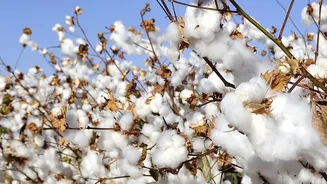
Long before the first modern mills, the story of Coimbatore's textile industry began with its geography. The region, historically known as Kongu Nadu, was blessed with rich black soil ideal for growing cotton. This natural advantage wasn't a recent discovery;
ancient trade routes connected the area to the Roman Empire, with cotton textiles from this part of India being prized commodities. In fact, textiles from the Coimbatore region were exported to Rome, which had a significant settlement on the outskirts of the old town around 2,000 years ago. This early history set the stage for a deep-rooted expertise in cotton cultivation and weaving that would define the area for centuries to come.
The 'Manchester of South India' is Born
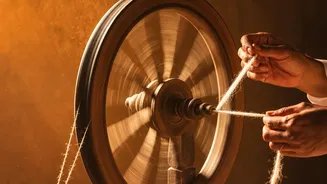
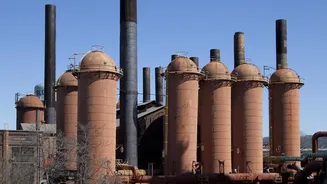
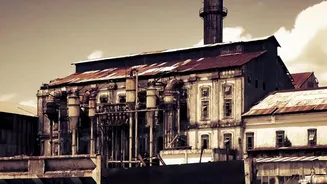
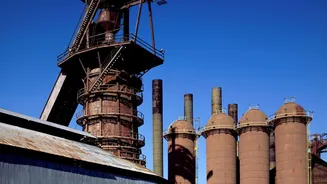
The city's transformation into an industrial hub began in the late 19th and early 20th centuries. The moniker 'Manchester of South India' is a direct reference to the original Manchester in the UK, the heart of the global textile industry during the Industrial Revolution. Coimbatore earned this title because of its booming cotton production and the proliferation of textile mills. The first mechanised spinning mill, Coimbatore Spinning and Weaving Mills (often called Stanes Mill), was established in 1888 by Sir Robert Stanes. This sparked a wave of industrialisation. The availability of hydroelectric power from the Pykara project in the 1930s provided a massive boost, allowing mills to run efficiently and fueling rapid growth.
From 'Kovanputhur' to Kovai
While 'Coimbatore' is the official, anglicised name, 'Kovai' is the name used in daily life, reflecting a deeper cultural identity. The origin of the name itself is tied to the land's history. One prominent theory traces 'Coimbatore' to 'Kovanputhur', meaning 'new town of Kovan', named after a local Irula tribal chieftain named Kovan who ruled the area. Over time, Kovanputhur evolved into Koyamputhur and was eventually anglicised by the British. The name 'Kovai' is a shortened, colloquial form that carries the warmth and familiarity of home for its residents, connecting the modern city to its ancient tribal roots.
A Weave of Industry and Identity
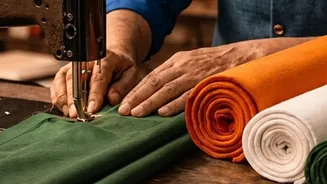
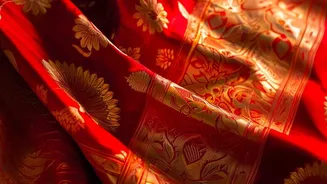
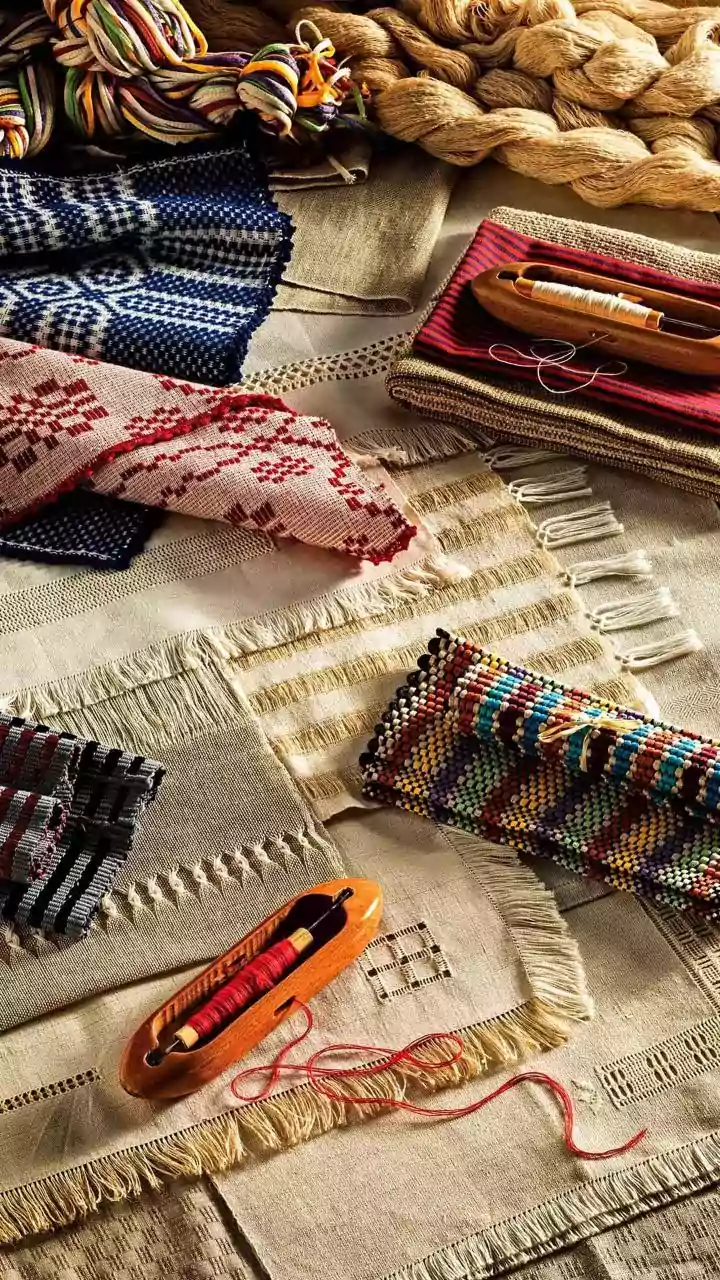
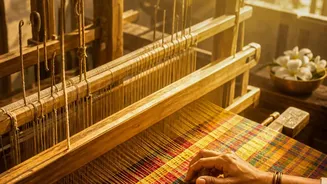
The rise of the textile industry did more than just boost the economy; it shaped the very character of Kovai. It fostered a spirit of entrepreneurship and hard work, drawing in workers and creating a bustling metropolis. The industry is highly diverse, ranging from large-scale spinning mills to thousands of smaller units and traditional handloom weavers in surrounding villages. These weavers are renowned for their skill, particularly with the 'Kovai Cora Cotton' sari, which has been granted a Geographical Indication tag by the Government of India. This unique fabric blends silk and cotton, showcasing the region's innovative weaving techniques. The city is now home to over 25,000 textile and manufacturing companies, cementing its status as a global player.
The Modern Fabric of Kovai
Today, Coimbatore's industrial fabric is more diverse, with thriving engineering, IT, and manufacturing sectors. However, textiles remain at its core. The city is a major producer of cotton yarn, fabrics, and garments for both domestic and international markets. The industry has adapted over time, embracing new technologies while maintaining its connection to traditional crafts. Research institutions dedicated to textile technology ensure that the city remains at the forefront of innovation. This blend of historical legacy and forward-looking dynamism is what defines modern Kovai—a city built on cotton, woven with history, and still spinning tales of enterprise and tradition.