



1. Mint
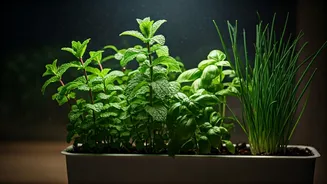
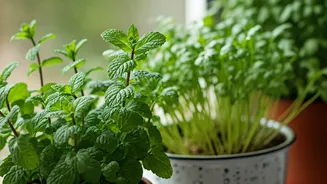
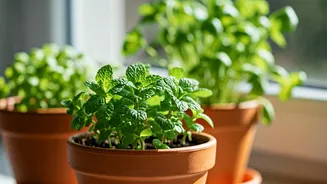
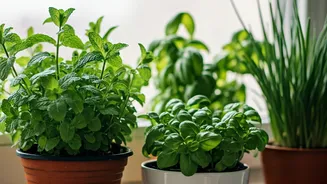
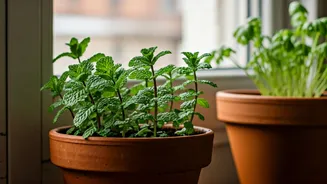
Mint is famous for its vigorous, almost invasive, growth, which is precisely what makes it a star for lower-light conditions. While most herbs need lots of sun to produce the oils that create their flavour, mint is far more forgiving. It can thrive in indirect
light, making it perfect for a kitchen window that gets morning sun or is partially shaded. Keeping mint in a container is ideal, as it prevents its runners from taking over your other plants. For care, the key is moisture. Mint likes consistently moist soil, so don't let it dry out completely between waterings. The soil should feel damp but not waterlogged. To encourage a bushier, healthier plant, trim the tips regularly. This prevents it from getting 'leggy' (long stems with few leaves) and provides you with a steady supply for teas, salads, and cocktails.
2. Parsley
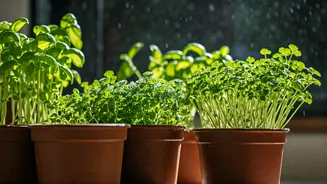
A staple in many Indian kitchens, parsley is another fantastic herb that tolerates partial shade well. Both the curly and the popular flat-leaf Italian varieties can thrive without the eight hours of direct sun that many other herbs demand. In fact, parsley often prefers a bit of a reprieve from intense, direct afternoon sun. Grown indoors, it might be a bit more slender than its outdoor counterparts, but the flavour remains robust. Plant it in a pot that is deep enough to accommodate its long taproot. Keep the soil evenly moist and consider feeding it with a half-strength liquid fertilizer every few weeks to keep the leaves vibrant. To harvest, snip the outer stems first, allowing the new growth to continue developing from the center of the plant. This cut-and-come-again approach will ensure you have fresh parsley for garnishing and cooking for months.
3. Chives
If you're looking for a foolproof beginner herb, chives are your answer. These members of the onion family are exceptionally resilient and one of the most tolerant herbs for low-light situations. They provide a delightful, mild onion flavour that's perfect for snipping over eggs, soups, or potatoes. Chives have a shallow root system and grow well in compact spaces, making them ideal for a windowsill. While they appreciate sun, they can get by with as little as four hours of light a day. The key to harvesting chives is to use scissors and snip the leaves near the base of the plant. Don't just trim the tips; cutting the whole stem encourages new shoots to grow from the base, ensuring a continuous supply. Keep the soil moderately moist, and you'll find that one small pot can provide fresh flavour for years.
4. Lemon Balm
As a member of the mint family, it’s no surprise that lemon balm is another herb that performs well without basking in the sun all day. It thrives in moderate indoor light and actually prefers cooler temperatures. Lemon balm is prized for its fragrant, citrus-scented leaves, which can be used to make a calming tea or add a lemony twist to recipes. It's a forgiving plant that adapts well to container life. Like its minty cousin, it prefers consistently moist soil, so check it regularly and water when the top inch of soil feels dry. To keep the plant productive and prevent it from flowering (which can make the leaves bitter), prune it regularly by snipping off stems as needed. This will encourage it to grow bushier and provide plenty of fragrant leaves for your kitchen creations.