


The Sun’s Invisible Temper
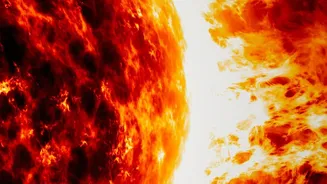
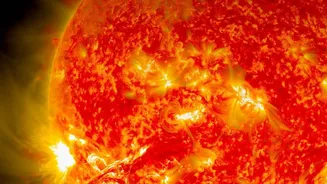
Space weather refers to the changing conditions in space, driven primarily by the sun. The main culprits are solar flares, which are intense bursts of radiation, and coronal mass ejections (CMEs), which are massive clouds of magnetised plasma and particles
hurled into space. While Earth's magnetic field protects us from the worst of this onslaught, powerful events aimed at our planet can have significant consequences. These particles can travel at tremendous speeds, with radiation reaching Earth in as little as eight minutes, while the plasma clouds of a CME can arrive within a few hours to several days, setting the clock for a potential impact.
What’s at Risk on Earth?
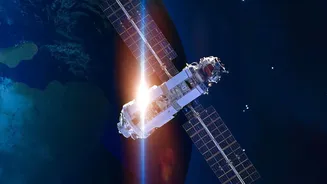
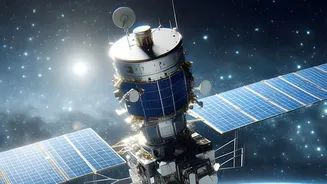
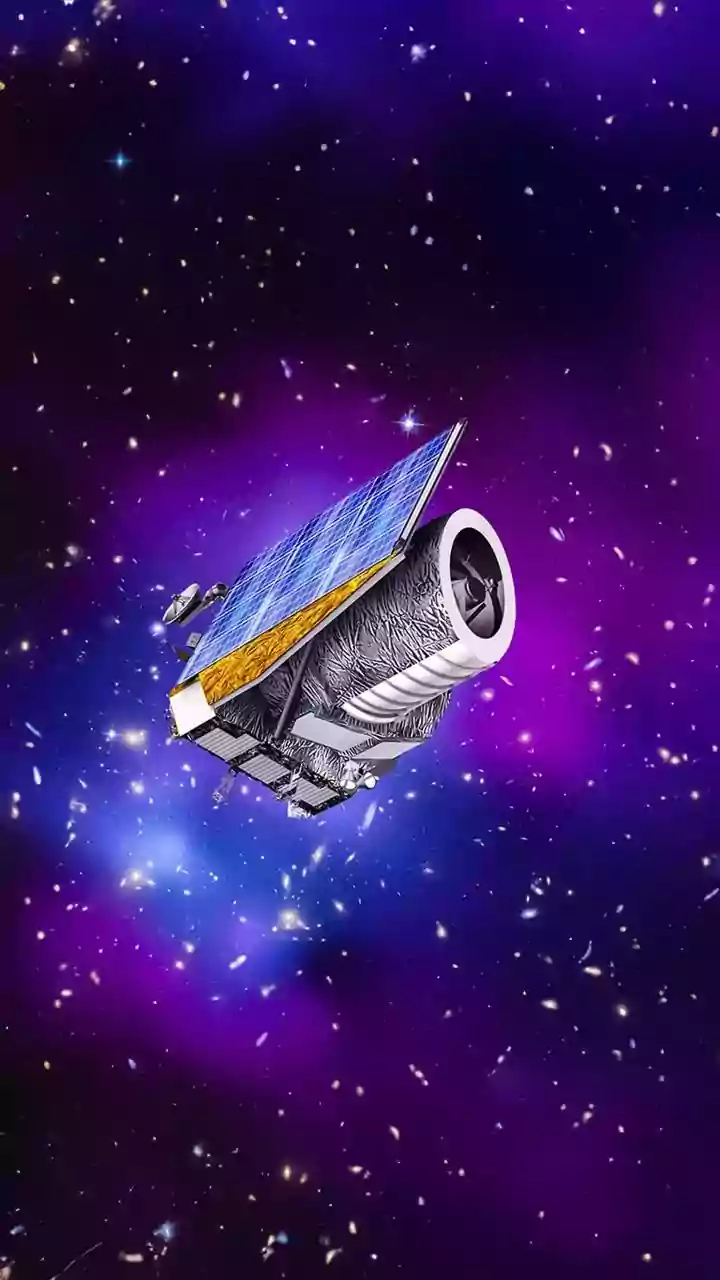
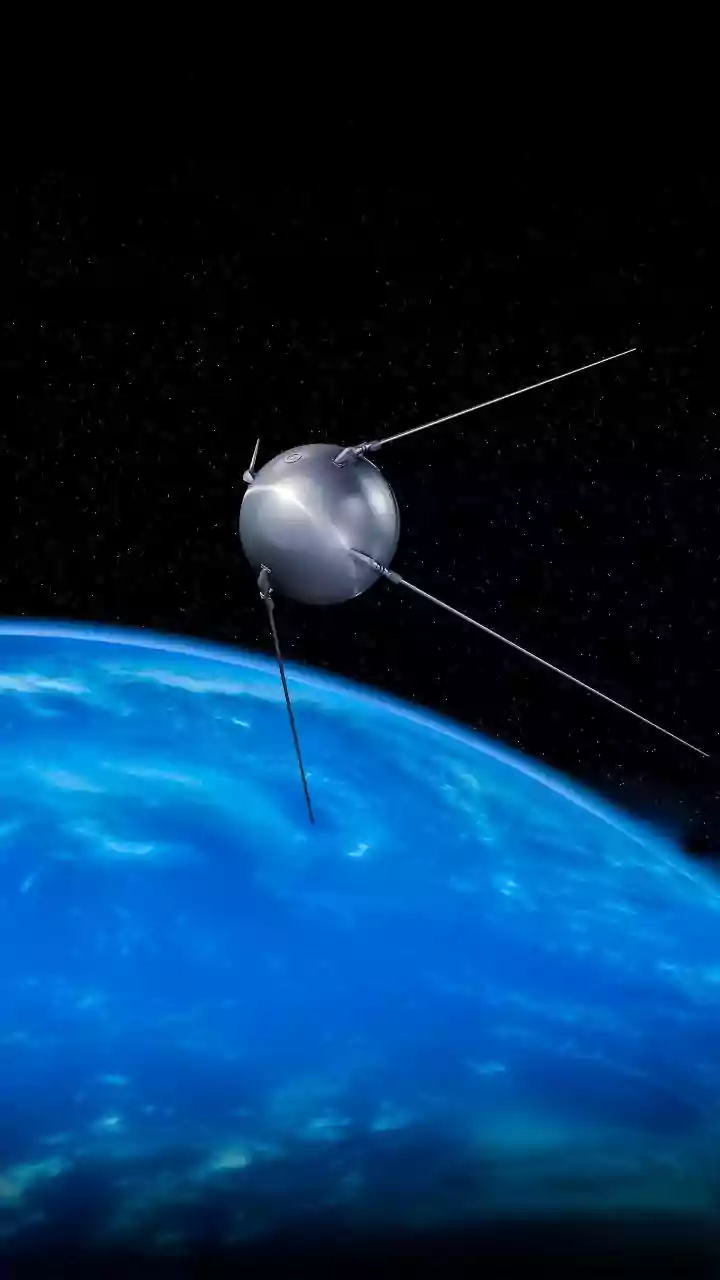
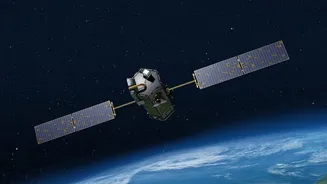
Our modern infrastructure is uniquely vulnerable to space weather. Satellites are on the front line. The surge of energetic particles can damage their electronics and degrade solar panels. Severe storms can also heat and expand Earth's upper atmosphere, increasing drag on satellites in low-Earth orbit, causing them to lose altitude and potentially risk collision. This threatens everything from GPS navigation, which can lose accuracy or fail completely, to the global communications we take for granted. On the ground, the biggest threat is to our electrical grids. A geomagnetic storm, caused by a CME interacting with Earth's magnetic field, can induce powerful currents in long transmission lines. These geomagnetically induced currents (GICs) can overload and damage high-voltage transformers, a scenario that played out in 1989 when a storm caused a nine-hour blackout for six million people in Quebec, Canada.
The Global Watchtowers
Fortunately, we aren't flying blind. A global network of space and ground-based observatories keeps a constant eye on the sun. In the United States, NOAA's Space Weather Prediction Center (SWPC) is the official source for alerts, operating 24/7. They use data from satellites like the GOES series and the Deep Space Climate Observatory (DSCOVR), which is positioned 1.5 million kilometres from Earth, to detect solar flares and CMEs. These agencies issue a series of watches, warnings, and alerts, similar to terrestrial weather forecasting, to give governments and industry time to prepare. A 'watch' is an early notice that conditions are favourable for an event, a 'warning' means an event is imminent or likely, and an 'alert' signifies that an event is in progress and has crossed a certain threshold.
From Warning to Action
Once an alert is issued, critical infrastructure operators spring into action. Satellite operators can place their spacecraft into a protective 'safe mode,' shutting down non-essential systems to prevent electrical damage. Airlines may reroute flights, particularly those on polar routes where the effects of solar radiation are strongest, to protect communication systems and minimise radiation exposure for crew and passengers. Power grid managers face a different challenge. Using forecasts, they can take steps to bolster grid stability. This might involve reducing load on certain lines, cancelling scheduled maintenance, or in more extreme cases, proactively disconnecting specific high-voltage transmission lines to prevent a cascading failure. Some systems are now being fitted with neutral blocking devices, a technology specifically designed to stop damaging GICs from entering and destroying transformers.
India’s Eye on the Sun
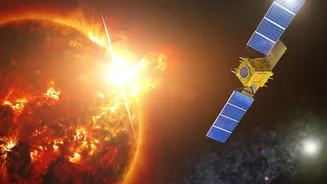
India has significantly boosted its role in global space weather monitoring with the Aditya-L1 mission. Positioned at the same L1 vantage point as other key solar observatories, ISRO's spacecraft provides an uninterrupted view of the sun. Its suite of seven instruments observes the sun's atmosphere across multiple wavelengths, from ultraviolet to X-ray, and measures the solar wind in-situ. This data is crucial for understanding the physics behind solar flares and CMEs, ultimately improving prediction models. Recent findings from Aditya-L1 have identified small-scale brightening events that occur hours before a major flare, acting as a potential early warning sign. This capability is vital for protecting India's own substantial space assets and contributing to a more robust global defence against space weather.