



Plan Your Menu Wisely
The first step to an efficient kitchen is a well-thought-out plan. Instead of choosing multiple complex dishes, aim for a balanced menu with one or two showstoppers and simpler accompanying dishes. A great strategy is to pick recipes that don't all require
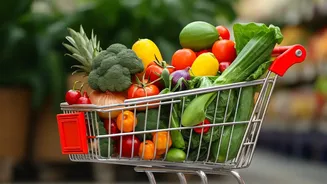
last-minute, stovetop attention. For example, pair a roasted or baked main with a make-ahead dal, a simple raita, and a pulao. This avoids a frantic rush just before serving. Listing out your menu for each day of the festival helps in organising prep work and grocery lists, preventing last-minute panic.
Master the Art of Prep
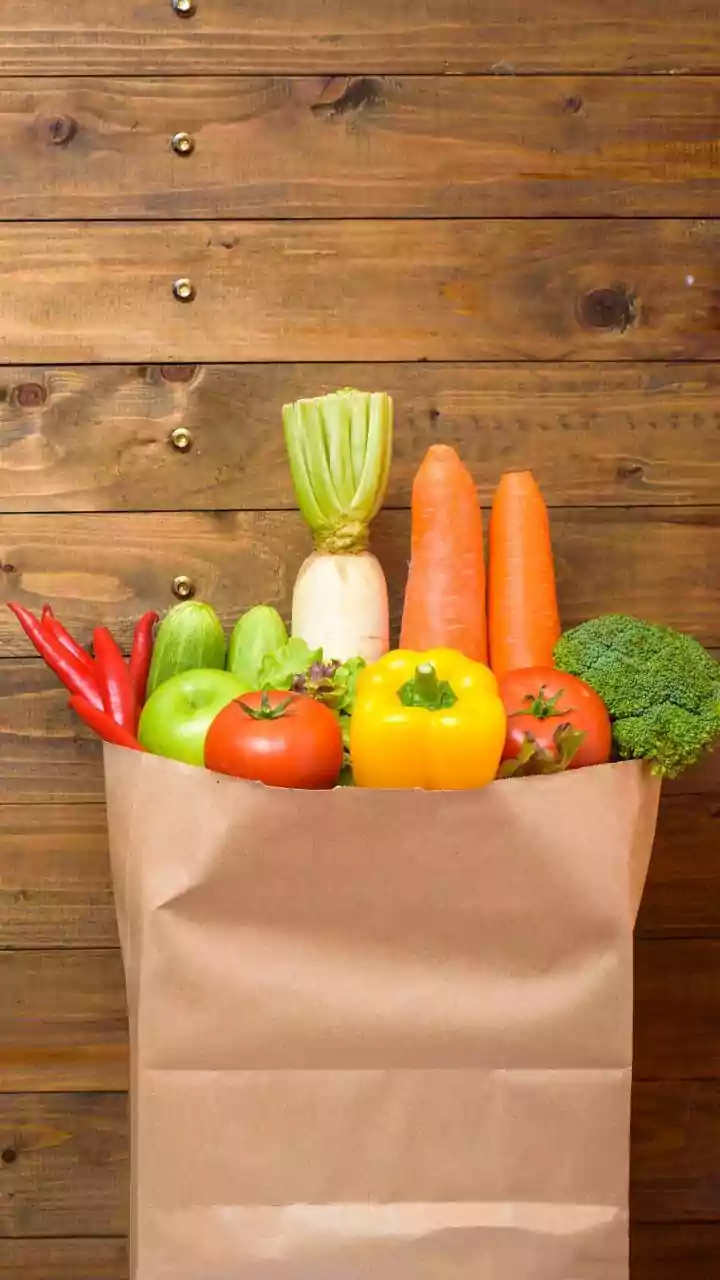
Most Indian recipes involve a significant amount of preparation time before the actual cooking begins. You can save immense time by doing this prep work a day or two in advance. Chop vegetables like onions, carrots, and beans and store them in airtight containers. Prepare ginger-garlic paste, grind spice blends like garam masala, and make tomato puree or onion paste ahead of time. These base ingredients can often be frozen in ice cube trays for easy-to-use portions, saving you precious minutes for each dish you cook.
Embrace One-Pot Wonders
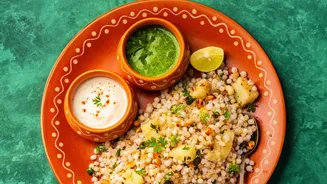
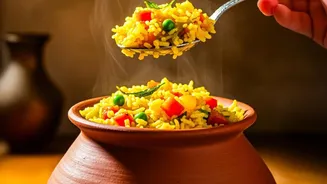
One-pot meals are a lifesaver during busy festive times, minimising both cooking and cleaning time. Dishes like vegetable biryani, pulao, dal khichdi, and pav bhaji are flavourful, wholesome, and can be cooked in a single vessel. These meals are ideal for anchoring a festive lunch or dinner, providing a satisfying centrepiece without dirtying a sink full of pans. Many traditional Indian comfort foods, from Dal Makhani to Baingan Masala, can be adapted for a one-pot cooking process, especially with modern appliances.
Leverage Your Kitchen Appliances
Modern kitchen gadgets are your best friends for efficient festive cooking. The pressure cooker, a staple in Indian homes, drastically reduces the cooking time for lentils, beans, even rice dishes. A food processor can handle chopping, grating, and kneading dough in seconds. Don't underestimate your freezer either; it's perfect for storing make-ahead items. Many curries, chutneys, and even samosa fillings can be prepared and frozen, ready to be cooked or reheated on the day of the celebration.
Make-Ahead Curries and Dals
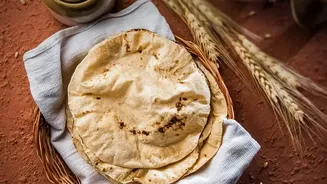
Many Indian curries and dals, such as chana masala, rajma masala, and dal makhani, taste even better the next day as the flavours have more time to meld together. You can safely prepare these dishes one or two days in advance and simply reheat them before serving. This frees up your stovetop and your time for dishes that are best served fresh, like breads (rotis, puris) or crispy appetisers. Planning which items can be cooked ahead is a core principle of stress-free hosting.
Simplify the Sweets
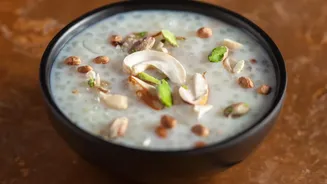
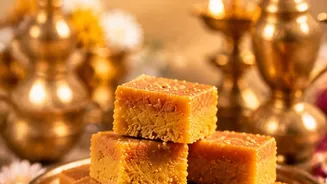
Indian festivals are incomplete without sweets, but not all mithai requires hours of stirring. Opt for desserts that are quick to assemble or have a shorter cooking time. Recipes like kheer, fruit chaat, shrikhand, or date-and-nut ladoos are delicious and relatively simple. Many sweets like certain burfis or ladoos can be made days in advance. There are also numerous 'instant' recipes using ingredients like condensed milk or milk powder that can deliver rich, festive desserts in under 30 minutes.