





What Exactly Is an 'Attention Anchor'?
Think of an attention anchor as a home base for your mind. In mindfulness and meditation, it's a specific point of focus you can return to whenever you notice your thoughts have drifted. The goal isn't to eliminate thoughts, but to have a stable point to come
back to. The mind will wander—that's what it does. Instead of getting frustrated, an anchor gives you a simple, non-judgmental task: gently guide your awareness back. While you could use a sound, an object, or a physical sensation, the breath is widely considered the most accessible and effective anchor for beginners. It’s always with you, always in the present moment, and requires no special equipment.
Why the Breath Is So Powerful
Your breath is unique because it functions both automatically and voluntarily. You don't have to think about breathing, yet you can consciously change its pace and depth at any moment. This gives you a direct line to your nervous system. When you're stressed or anxious, your breathing often becomes shallow and rapid, activating the 'fight or flight' response. By intentionally slowing down your breath, you can activate the parasympathetic nervous system, also known as the 'rest and digest' state. This simple act can lower your heart rate, reduce blood pressure, and create a physiological sense of calm. Studies have shown that consistent breath awareness practices can lower levels of the stress hormone cortisol and improve mental focus.
Your First Practice: A Simple Guide
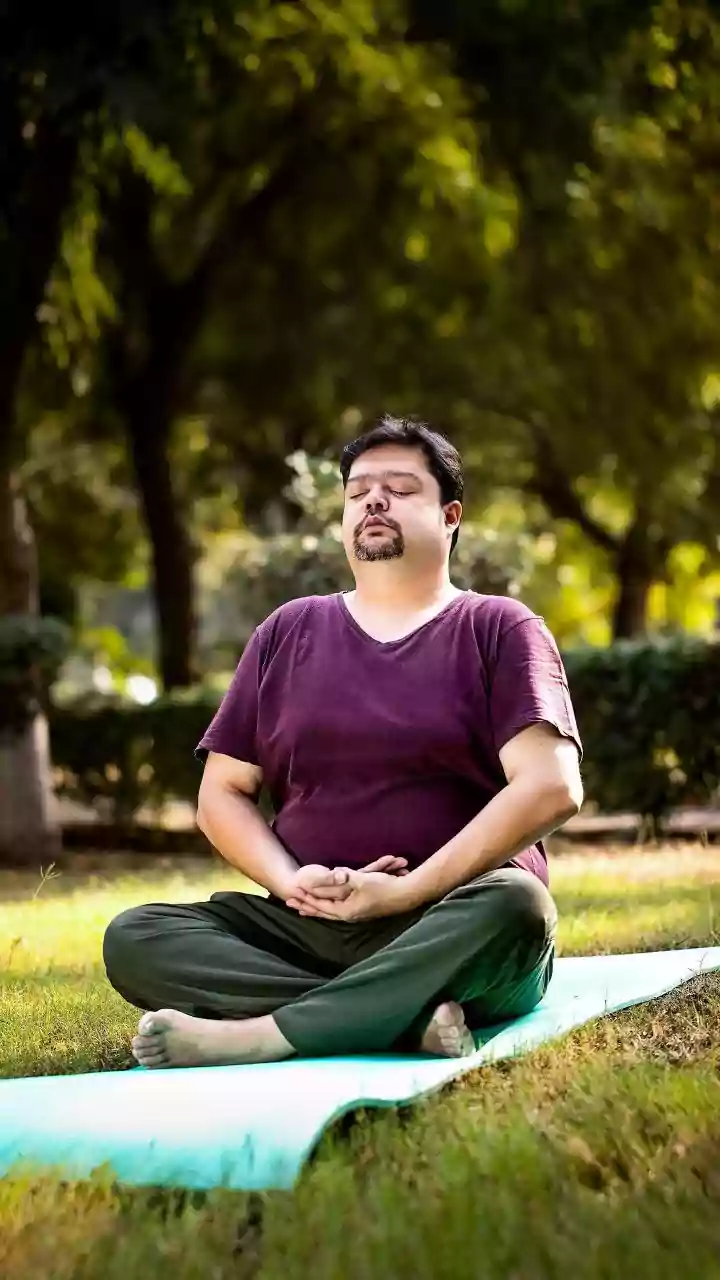
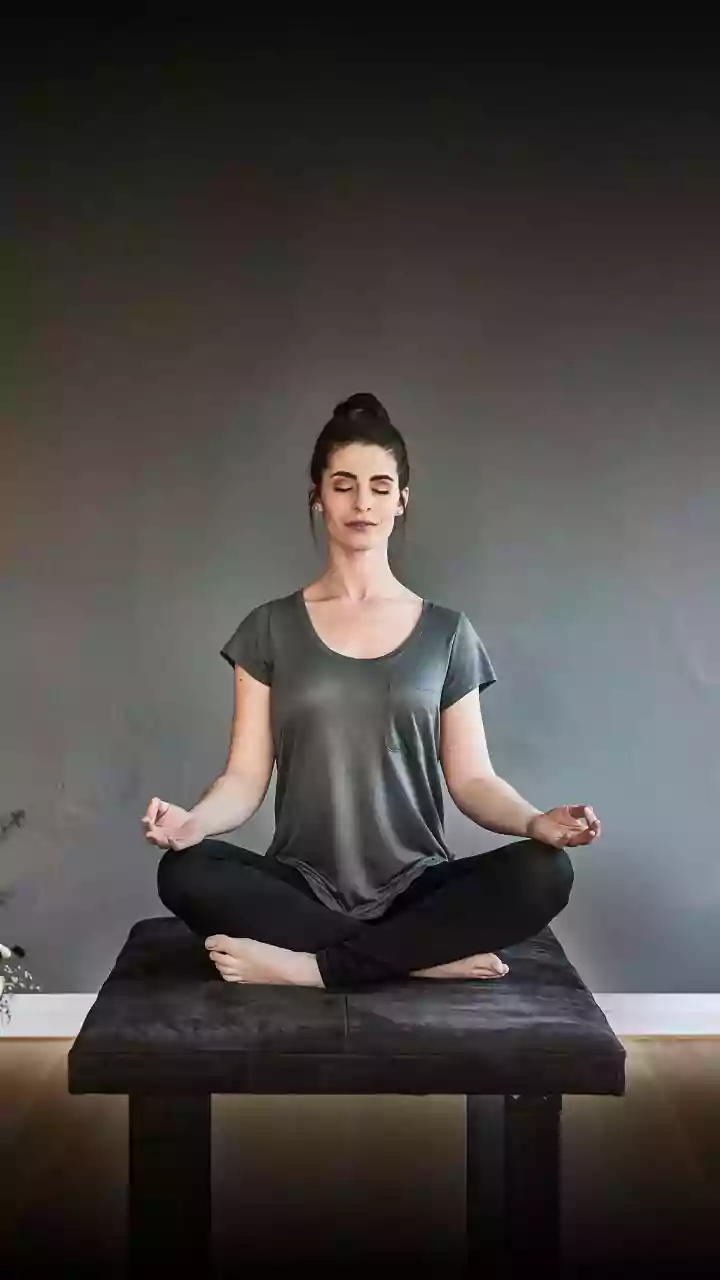
Ready to try? You don't need a special cushion or a silent room, though a quiet space can help when you're starting. This practice can be done in just a few minutes. 1. Find a comfortable position: Sit on a chair with your feet flat on the floor or on the ground. Keep your back upright but not stiff. 2. Close your eyes (if it feels right): You can close your eyes or simply lower your gaze to a spot on the floor a few feet in front of you. 3. Bring your attention to your breath: Don't try to change it. Just notice it. Feel the sensation of the air at your nostrils, the rise and fall of your chest, or the gentle expansion of your belly. Pick whichever sensation is most noticeable to you. 4. Notice the mind wandering: Sooner or later, your mind will drift to a thought, a sound, or a to-do list. This is completely normal and expected. It’s not a mistake or a failure. 5. Gently return to the breath: The moment you realize your mind has wandered is a moment of success. Simply and gently guide your attention back to the physical sensation of breathing. That's the entire practice: wandering, noticing, and returning.
Common Hurdles for Beginners
It’s common to feel like you're 'bad at this' when you start. Many beginners find that focusing on the breath actually makes them feel more anxious or that their mind is 'too busy'. This is a normal reaction, especially for those accustomed to high levels of stress. The key is to be gentle with yourself. Don't force relaxation; just observe what's happening without judgment. Another common issue is trying too hard or expecting a specific outcome, like a perfectly clear mind. The goal is not to stop thoughts but to change your relationship with them by repeatedly and kindly returning your focus to your breath. If you find yourself losing count during a breathing exercise, just start over at one. The point isn't the number, but the act of refocusing your attention.
Simple Techniques to Try
Once you're comfortable with basic observation, you can experiment with simple regulated breathing techniques. These can be particularly helpful during moments of high stress. Box Breathing: Inhale for a count of four, hold your breath for four, exhale for four, and hold the breath out for four. This steady rhythm is used to calm the nervous system in high-pressure situations. 4-7-8 Breathing: Inhale through your nose for four seconds, hold for seven seconds, and exhale slowly through your mouth for eight seconds. The long exhale is particularly effective at promoting relaxation. These aren't rigid rules. The goal is to find a simple rhythm that helps you feel more grounded and centered. Even a minute of conscious breathing can make a difference.