




From Searching to Creating
For decades, creating a visually compelling presentation involved a predictable, often frustrating, process: brainstorm a concept, then hunt for a suitable image. This usually meant trawling through stock photography sites, hoping to find a picture that
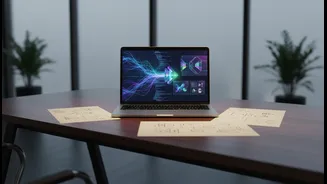
vaguely matched your message. The result was often a compromise—a generic image of smiling professionals in a boardroom or an abstract graphic that added little real value. Today, that paradigm is shifting dramatically. Instead of searching for an image that exists, we can now create the exact image we need from scratch, simply by describing it. Generative AI tools are making visual creation an active, on-demand process, rather than a passive search. This moves the presenter from the role of a curator to that of a creator.
The New AI-Powered Toolset
This evolution isn't happening in a vacuum; it's being integrated directly into the tools millions use daily. Microsoft's Copilot in PowerPoint can generate custom images, backgrounds, and even entire slide layouts based on simple text prompts. Similarly, Google Slides now incorporates its own AI, Gemini, allowing users to create visuals by typing a description directly within their workspace. Beyond these giants, a new breed of AI-first presentation platforms like Gamma and Tome are built from the ground up around generative capabilities. These tools not only create images but can help structure entire narratives, suggesting layouts and turning documents into slide decks automatically. This accessibility means that creating professional-quality visuals no longer requires specialised design skills or expensive software.
The Power of Perfect Specificity
The single greatest advantage of AI image generation is specificity. Need an image of a scientist in a lab in India examining a specific plant under a microscope, rendered in a watercolour style? A traditional stock photo search for such a niche request would likely yield nothing. With AI, you can generate that precise image in seconds. This allows for a much deeper and more coherent connection between the visual and the message. It's particularly powerful for explaining complex or abstract concepts where no real-world photo would suffice. Furthermore, AI tools can maintain stylistic consistency—generating a whole series of images with the same characters, colour palette, and artistic feel, ensuring a cohesive and professional look throughout a presentation.
The Risks and Creative Pitfalls
Despite the immense potential, the rise of AI in visual design is not without its challenges. One of the biggest risks is a new form of genericism. Just as stock photos led to a sea of visual sameness, an over-reliance on basic AI prompts can produce images that have a distinct, often soulless, 'AI-generated' look. The technology is only as good as the prompt and the creative direction behind it. There are also unresolved questions surrounding copyright and ownership of AI-created visuals, which can be a concern for commercial use. Relying solely on AI can also devalue the expertise of professional graphic designers, whose skills in composition, storytelling, and brand alignment go far beyond what an algorithm can currently replicate.
The Human Storyteller Is Still the Hero
Ultimately, experts agree that AI is a powerful collaborator, not a replacement for human creativity and critical thinking. It can accelerate ideation, automate repetitive tasks, and open up visual possibilities to non-designers. However, the core of a great presentation remains a compelling narrative and a deep understanding of the audience. The presenter's role is evolving into that of a 'story architect'. They must provide the vision, the emotional context, and the strategic thinking. AI is the tool that helps build the structure, but the human is the one who draws the blueprint. The most impactful work will come from the synergy between human intuition and intelligent tools, enhancing the creator's vision rather than replacing it.