


The Double-Edged Sword of Monsoon
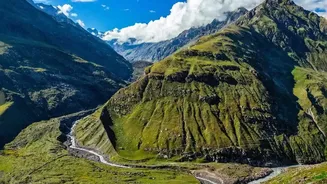
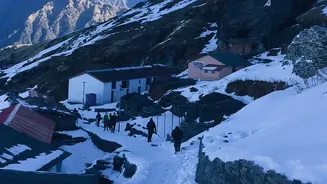
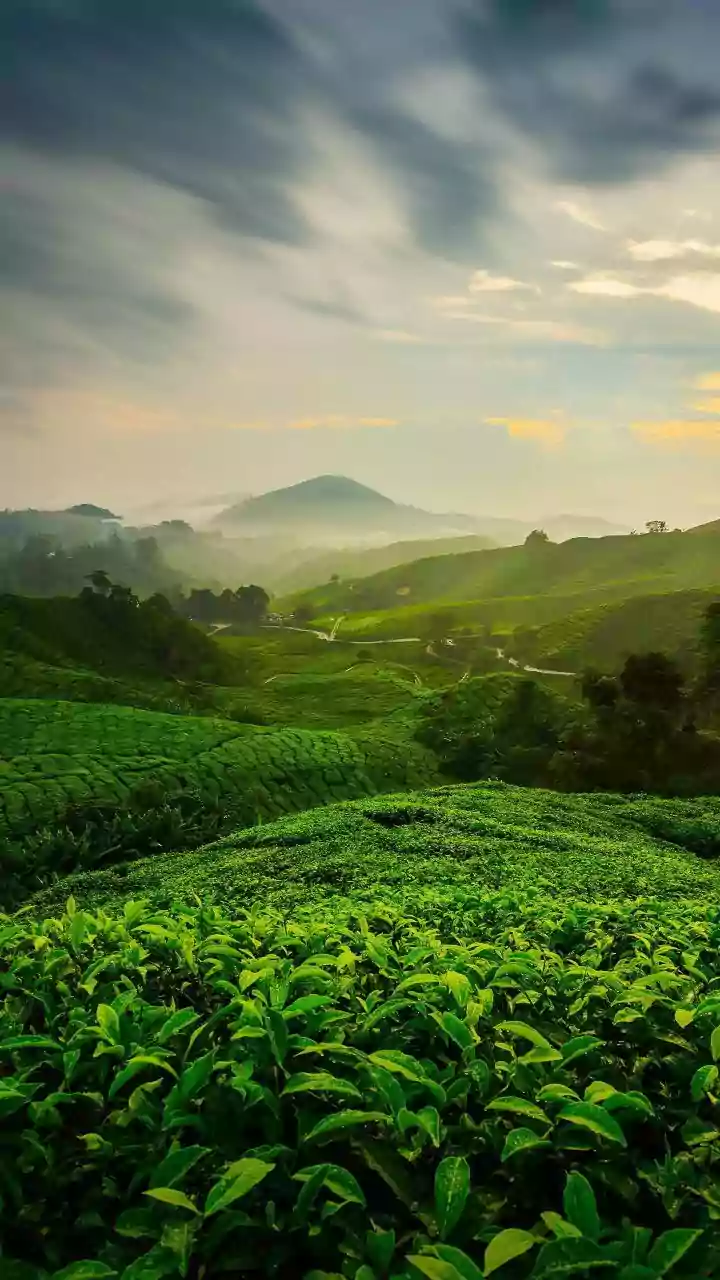
August is peak monsoon season in the Himalayas. While this transforms the valleys into lush, green paradises with booming waterfalls, it also brings a host of dangers. The primary risk is landslides. Relentless rain saturates the soil on the steep slopes,
making them unstable. Roads to trailheads can be blocked for hours or days, and trekking paths can be wiped out in an instant. Flash floods are another serious concern, as tranquil streams can become raging torrents in minutes. Trails become extremely slippery, visibility often drops to near zero due to mist, and river crossings that are simple in other seasons become perilous. This isn't just rain; it's a fundamental change in the mountain environment that demands respect and caution.
Holiday Rush and Strained Resources
Long weekends, especially the Independence Day holiday, see a massive influx of tourists heading to hill stations like Mussoorie and Nainital. This rush extends to popular trekking routes, placing a heavy strain on local infrastructure. Accommodations get fully booked, trails become crowded, and more importantly, emergency and rescue services get stretched thin. An accident that might be quickly addressed on a quiet weekend could face significant delays when resources are responding to multiple incidents across the region. Furthermore, the holiday rush can pressure inexperienced trekkers to push beyond their limits and can lead some trek operators to cut corners on safety to accommodate more clients.
Choosing Your Trail and Guide Wisely
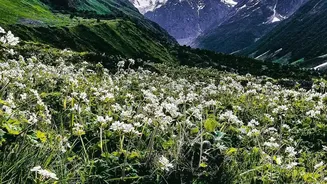
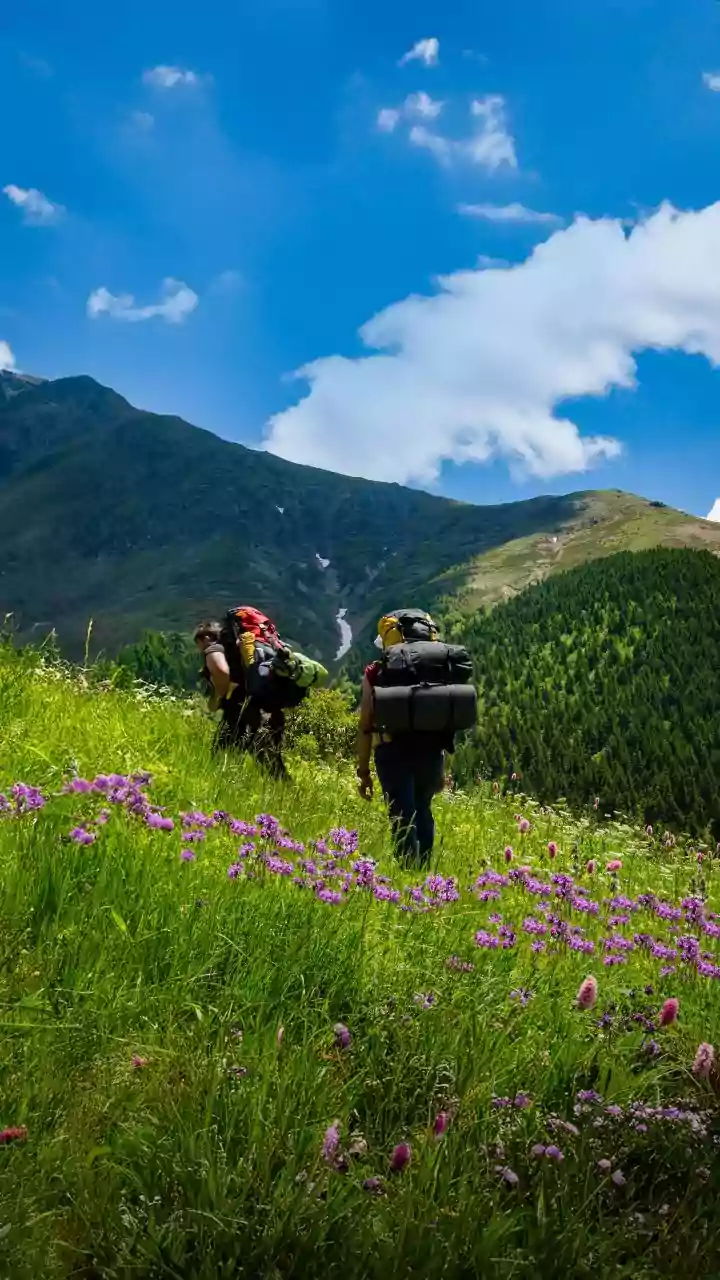
Not all treks are suitable for the monsoon. Many popular high-altitude routes, such as Har Ki Dun or Roopkund, are officially closed or highly discouraged in August due to extreme hazards. It is crucial to select trails known to be relatively safer during this season, like the Valley of Flowers, which is at its peak bloom but still requires caution. Before you go, check with the Uttarakhand tourism department or local authorities for the latest trail conditions and advisories. Equally important is hiring a certified, experienced local guide. A good guide knows the terrain, understands the weather patterns, can identify safe passage, and is your first line of defence in an emergency. The Uttarakhand government is also working on a framework to regulate trekking, emphasizing guide certification and trekker safety.
The Non-Negotiable Packing List
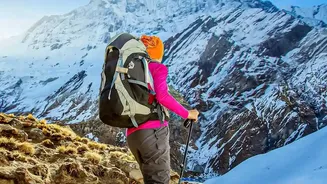
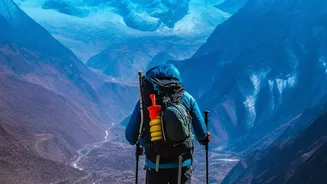
Your packing list for a monsoon trek is your survival kit. Cotton is your enemy; it absorbs moisture and stays wet, increasing the risk of hypothermia. Opt for quick-drying synthetic fabrics. Essential gear includes a high-quality waterproof jacket and pants, not just a water-resistant windcheater. Waterproof trekking shoes with excellent grip are a must to handle slippery mud and rocks. A waterproof cover for your backpack is critical to keep your clothes and electronics dry. Pack multiple pairs of socks, a robust first-aid kit, and leech socks or gaiters for forested sections. Always carry a power bank, as charging opportunities may be scarce.
On-Trail Discipline and Acclimatisation
Once on the trail, discipline is key. Start your trek early in the day to cover maximum ground before the typical afternoon showers begin. Be hyper-vigilant of your surroundings, listening for rockfall and watching for unstable ground. Never attempt to cross a swollen stream. It's better to wait for hours for the water to recede than to risk being swept away. Finally, do not ignore the risk of Acute Mountain Sickness (AMS), which can affect anyone at high altitudes. Symptoms include headaches, nausea, and dizziness. The only cure for severe AMS is immediate descent. A slow, well-acclimatised ascent is the best prevention.