





An Architectural Legacy Reawakened
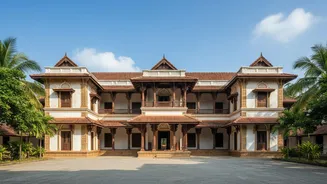
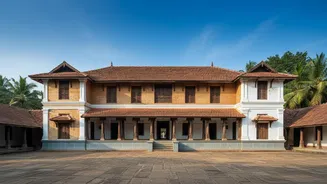
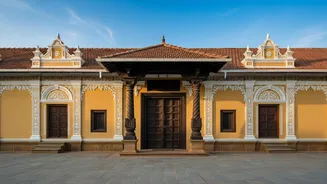
The Chettinad region is famed for the palatial homes of the Nattukottai Chettiars, a prosperous community of bankers and traders who flourished in the 19th and early 20th centuries. Their travels across Southeast Asia and Europe influenced the architecture
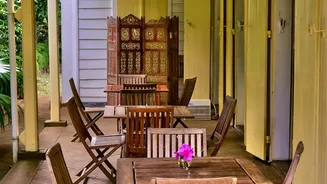
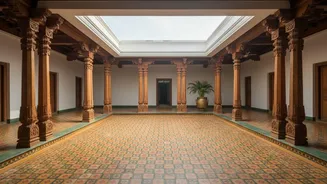
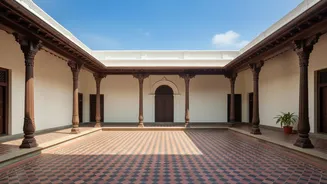
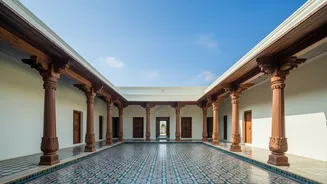
of their homes, resulting in a stunning fusion of Dravidian tradition and global design. These mansions were built on a grand scale, featuring vast courtyards for ventilation, towering pillars made from Burmese teak, and floors laid with Italian marble and vibrant, handmade Athangudi tiles. For decades, as families migrated to cities, many of these architectural marvels fell into neglect. Today, a growing movement to restore them as heritage homestays is breathing new life into the region, preserving this unique legacy from being lost to time.
Sustainability in Structure and Spirit
For the eco-minded traveller, the appeal of a Chettinad homestay begins with its very existence. The practice of restoring these homes is a profound act of adaptive reuse, saving magnificent structures from demolition and reducing the need for new construction. The architectural design is inherently climate-responsive. Central courtyards create natural ventilation, while thick walls coated in a traditional lime and egg plaster provide excellent insulation from the region’s heat. Many of these homes also feature ingenious rainwater harvesting systems built into their sloping roofs and courtyards, a traditional conservation method that is as relevant today as it was a century ago. This focus on working with the environment, rather than against it, is a core tenet of their sustainable charm.
More Than a Room, A Cultural Immersion
Unlike a conventional hotel, staying in a Chettinad mansion is an immersive cultural experience. These are not replicas; they are living museums where every polished pillar and antique furnishing tells a story of the Chettiar legacy. The cultural connection deepens at the dining table. Guests are treated to authentic Chettinad cuisine, renowned for its aromatic and spicy flavours, often prepared by local cooks following age-old family recipes. This provides a direct taste of the region's culinary heritage. The experience extends beyond the walls of the homestay. Hosts often guide visitors to local artisan workshops, where you can watch the famous Athangudi tiles being made by hand or see weavers at their looms, connecting you directly to the living traditions that define the area.
Connecting with the Community
The shift toward this type of travel supports the local economy in a direct and meaningful way. By choosing a homestay, travellers ensure their money benefits the families and communities dedicated to preserving their heritage. This economic incentive is crucial for the continued restoration of the mansions and the survival of traditional crafts. It fosters an environment where younger generations see a future in their ancestral villages, helping to reverse the trend of urban migration that left many of these homes empty. For the traveller, this translates into a richer, more authentic interaction. You are not just a tourist but a welcome guest, sharing a space with people who have deep roots in the land and are eager to share its stories, from the significance of a family portrait to the history of the local temple.