








The Power of a Single Pose
The plank is deceptively simple. You hold a static position, and your muscles do the work. But its benefits radiate through your entire body, which is why it has become a staple for yogis and fitness enthusiasts alike. It’s more than just an ab exercise;
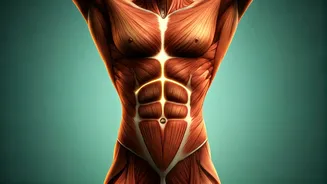
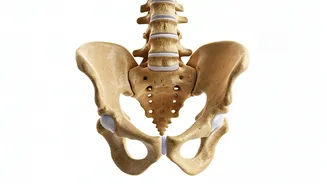
it’s a full-body workout. A strong core, which the plank builds with incredible efficiency, is the foundation of stability and power. It protects your spine, improves your posture, and provides the balance needed for more advanced yoga asanas, from a steadier Warrior III to more ambitious arm balances like Crow Pose. By strengthening the transverse abdominis, obliques, glutes, and back muscles, you’re creating an internal corset that supports you in every movement, on and off the mat.
How to Master Your Form
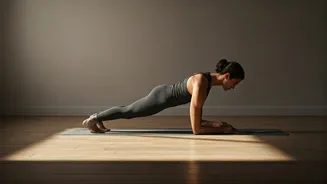
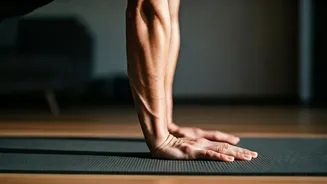
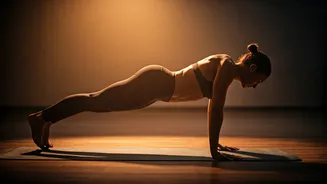
Before you start any challenge, mastering the form is non-negotiable. Proper alignment not only maximises the benefits but also prevents strain and injury, particularly to the lower back and shoulders. Here’s how to set up the perfect forearm plank: 1. Start on your hands and knees. Lower your forearms to the floor with your elbows directly under your shoulders and your hands facing forward, shoulder-width apart. 2. Extend your legs back one at a time, coming onto the balls of your feet. Your body should form a straight line from your head to your heels. Avoid letting your hips sag or rise too high. 3. Engage your core by pulling your navel towards your spine. Squeeze your glutes and thighs to keep your lower body active. 4. Keep your neck in line with your spine by looking at the floor a few inches in front of your hands. Breathe steadily and deeply. Don't hold your breath!
The 10-Day Challenge: Your Daily Plan
Ready to build strength and discipline? This progressive 10-day plan is designed to challenge you without overwhelming you. The goal is to hold a perfect forearm plank for the specified time. If you need to, take a short break and get back into it to complete the total time. Remember, form is more important than duration.
Day 1: 20 Seconds
This is your starting point. Focus entirely on feeling the correct alignment and muscle engagement. Twenty seconds can feel longer than you think, so breathe through it and establish a strong foundation.
Day 2: 30 Seconds
With one day under your belt, you know what to expect. Add ten seconds to your hold. Concentrate on keeping your hips level and your core tight.
Day 3: 40 Seconds
You’re building momentum. Today’s goal is 40 seconds. Your muscles might start to shake a little—that’s a good sign! It means they are working hard.
Day 4: 50 Seconds
Pushing towards the one-minute mark. Keep your mind focused and your breath steady. If your form starts to fail, drop to your knees for a moment, reset, and finish strong.
Day 5: 60 Seconds
Congratulations, you’ve hit the one-minute milestone! This is a huge accomplishment. Hold it, own it, and feel the strength you’re building.
Day 6: Rest Day
Your muscles need time to repair and grow stronger. Take today to rest. You can do some gentle stretching or light yoga, but avoid any intense core work.
Day 7: 90 Seconds
Back at it and stronger than before. This 90-second hold will test your mental and physical endurance. Break it into three 30-second mental chunks if it helps.
Day 8: 120 Seconds
Two minutes! This is a major test of stability and strength. Your core should be on fire. Remember your form cues: straight line, engaged glutes, steady breath.
Day 9: 150 Seconds
Two and a half minutes. You are now in advanced territory. This is as much a mental challenge as a physical one. Stay present and focus on your breathing.
Day 10: Hold As Long As Possible
This is your final test. After nine days of consistent practice, see how far you can go. Set a timer and hold your perfect plank for as long as you can (ALAP). You might be surprised by your own strength.