


A Tale of Two Ingredients
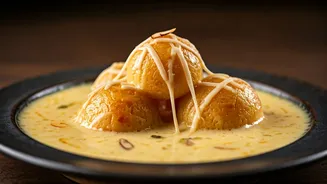
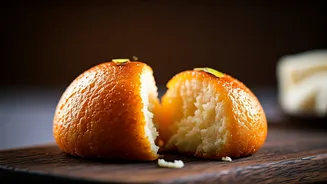
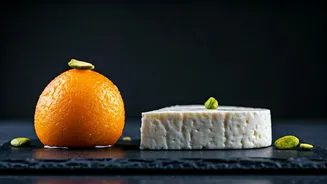
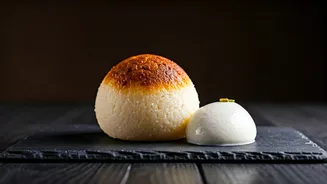
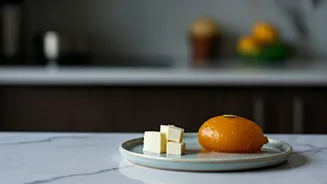
At first glance, the combination is jarring. Rasgulla, the beloved, syrupy-sweet cheese ball from Eastern India, is a symbol of tradition and celebration. It's soft, spongy, and soaked in a sweet sugar syrup. Cheese, in this context, usually refers to
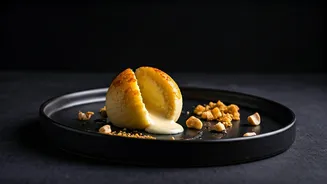
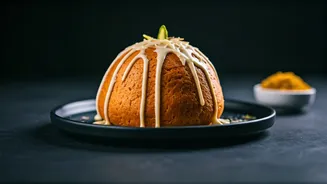
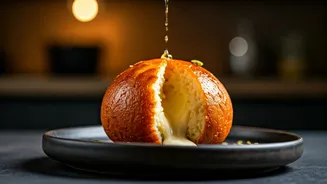
a savoury, often gooey, melted topping. The trend involves taking the iconic sweet, placing it in a baking dish, covering it with a creamy, cheesy mixture, and baking it until golden and bubbly. The result is a dish that defies easy categorization—a dessert that borrows from the worlds of both Indian mithai and baked Western casseroles. The very idea is enough to make purists shudder, yet it has captured the curiosity of thousands online.
Sacrilege or Sweet Innovation?
This isn't the first time a traditional Indian sweet has been given a modern, and sometimes controversial, makeover. We've seen everything from Gulab Jamun Cheesecake to Jalebi with Rabri ice cream. The baked rasgulla trend itself is an evolution of a more traditional Bengali dish, the 'Baked Rosogolla,' which typically involves baking the dumplings in a thickened, sweetened milk mixture like rabri or a sauce made with condensed milk and mawa (milk solids). This version, however, often incorporates cheeses like ricotta or even cream cheese into the mix, pushing the flavour profile further into uncharted territory. It sits alongside other bizarre viral combinations like Fanta Maggi and Chocolate Biryani, which leave many asking if fusion has gone too far. For some, it's an exciting experiment, a way to create new taste experiences. For others, it's a culinary crime.
How to Make It at Home
Curiosity getting the better of you? Making this viral dish is surprisingly simple, especially if you use store-bought rasgullas. Here’s a basic approach to try at home: 1. Prep the Rasgullas: Start with a can of rasgullas (about 10-12 pieces). Gently squeeze the excess sugar syrup from each ball. This is a crucial step; if they are too wet, the final dish will be soggy. Arrange the squeezed rasgullas in a single layer in a small, oven-safe baking dish. 2. Make the 'Cheese' Topping: This is where you can experiment. A popular method involves blending about 1 cup of crumbled paneer or ricotta cheese, half a cup of condensed milk, and a splash of milk or cream until smooth. For extra richness, some recipes use mawa (khoya) or evaporated milk. A pinch of cardamom powder is often added for a traditional touch of flavour. 3. Bake and Serve: Pour the creamy mixture evenly over the rasgullas in the dish. Preheat your oven to 180-200°C. Bake for 15-20 minutes, or until the top is lightly golden and bubbling. Some prefer to finish it under the broiler for a minute to get a more caramelized, slightly charred top. Let it cool slightly before serving. It can be enjoyed warm or chilled.
The Verdict: So, Is It Any Good?
The online reviews are, predictably, mixed. Many who try it are pleasantly surprised. They describe it as a rich, creamy, and decadent dessert, comparing it to a crustless cheesecake with a unique, spongy texture. The sweetness of the rasgulla and condensed milk is balanced by the subtle tartness of the cheese, creating a complex flavour profile that many find addictive. However, the opposition is just as vocal. For traditionalists, tampering with a classic like rasgulla is unthinkable. They find the combination strange, the textures confusing, and the very concept an affront to the original dessert. As with most viral food trends, the appeal lies in its shock value and the personal adventure of finding out which side of the debate you fall on.