


The Rise of the Lockdown Loaf
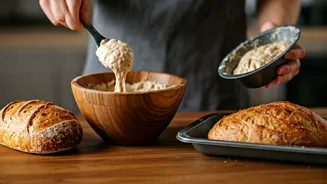
It seems like a lifetime ago, but the sudden, intense interest in sourdough baking was a defining cultural moment of the early 2020s. As people stayed home, the slow, methodical process of nurturing a starter and baking bread became a form of therapy
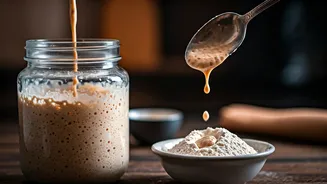
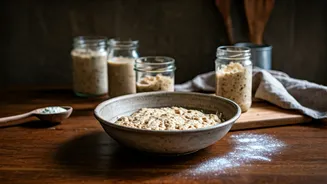
and a way to reclaim a sense of agency. The quest for the perfect ear, the open crumb, and the blistered crust dominated social media feeds. This wasn't just about making food; it was about connecting with a traditional craft, finding comfort in ritual, and achieving a tangible, delicious result in uncertain times. For many, it was a first foray into the world of natural leavening, a journey that started with a simple mix of flour and water in a jar.
The Discard Dilemma
Every new sourdough baker quickly encountered an inconvenient truth. To keep a starter healthy and active, you have to feed it regularly. And before each feeding, you must remove a portion of it. This removed portion is aptly named the "discard." In the beginning, many bakers simply threw it away, a practice that felt wasteful and contradictory to the wholesome, back-to-basics ethos of sourdough baking. The guilt of tossing out perfectly good fermented flour and water—often on a daily basis—prompted a collective search for a better way. It seemed criminal to waste part of the very living culture you were so carefully nurturing.
A Shift Towards Sustainability
The solution, it turned out, was not to discard the discard at all, but to repurpose it. This realization sparked a new wave of creativity and gave birth to a whole genre of cooking: discard recipes. The shift was driven by a growing awareness of food waste. Why throw something away when it could be transformed into another delicious meal? This eco-conscious mindset resonated deeply with a generation of home cooks increasingly interested in sustainable living. Using discard became an act of culinary upcycling, turning a byproduct into a valuable ingredient and closing the loop on the baking process. It transformed the sourdough journey from being just about bread to being about a zero-waste kitchen philosophy.
Beyond Crackers and Pancakes
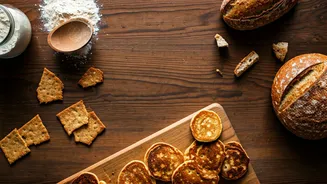
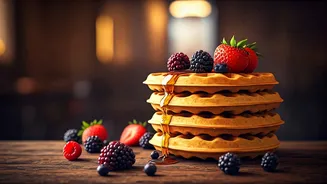
Initially, the most common discard recipes were for simple items like crackers and pancakes. But as the trend gained momentum, the culinary world's creativity exploded. Home bakers and recipe developers started incorporating discard into an astonishing variety of dishes. Suddenly, there were recipes for sourdough discard waffles, biscuits, pizza dough, muffins, and even brownies and chocolate chip cookies. The discard, once seen as waste, was now celebrated as a secret ingredient. It could add a complex, tangy flavor, improve the texture of baked goods, and even contribute to better digestibility. This move showed the versatility of the discard and cemented its place as a legitimate kitchen staple.
Flavor, Frugality, and The Future
The focus on discard recipes is about more than just sustainability; it's also about flavor and frugality. Sourdough discard imparts a unique depth and subtle tang that can elevate an ordinary recipe into something special. It also makes financial sense. By using up discard, bakers are maximizing their investment in flour, a small but meaningful way to combat rising food costs. The evolution from mastering a single loaf to embracing the entire ecosystem of a starter represents a maturation of the home baker. It reflects a deeper, more holistic understanding of food, where nothing is wasted and every component has potential. This mindful approach suggests that while the initial frenzy may have calmed, the lessons learned are here to stay.