



The Sun’s Turbulent Outbursts
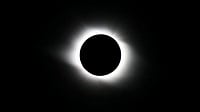
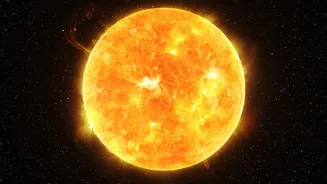
The sun is not a perfectly calm star. It periodically erupts, sending massive bursts of energy and charged particles into space. These events, known as solar flares and coronal mass ejections (CMEs), create what is called space weather. When this weather is directed
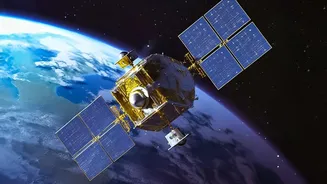
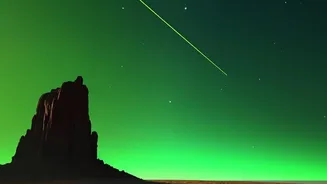
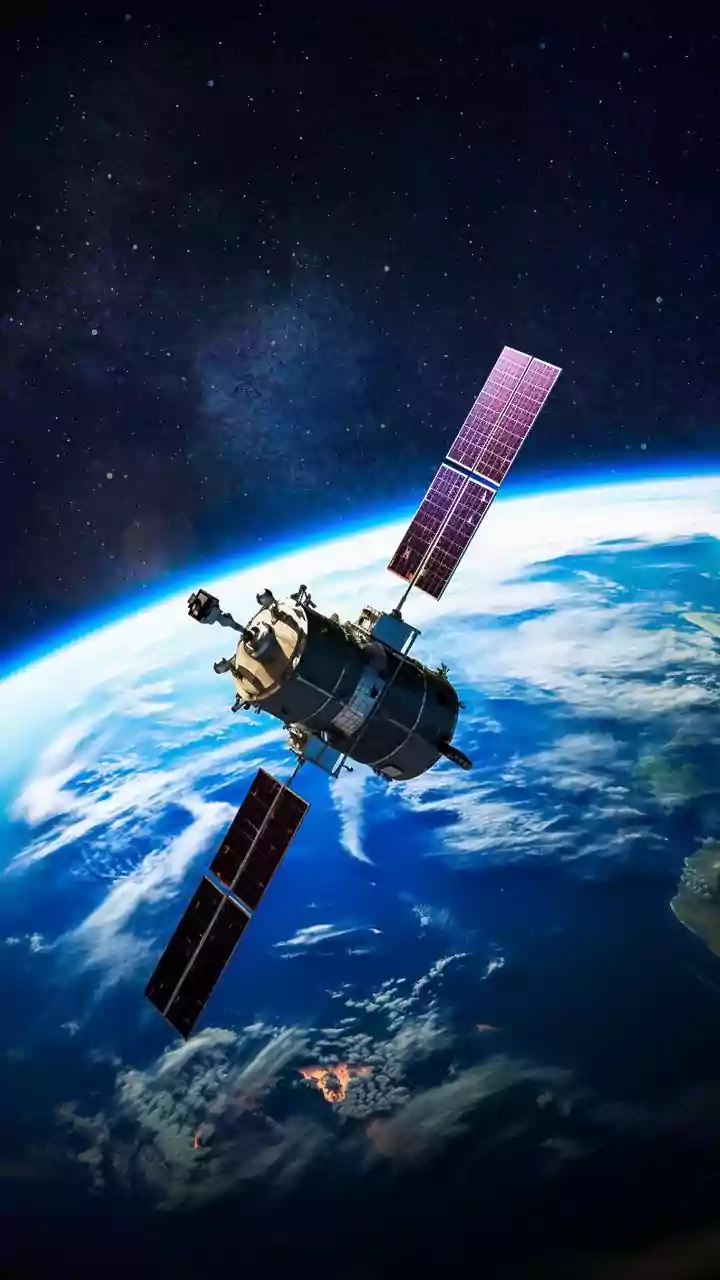
at Earth, it interacts with our planet's magnetic field and upper atmosphere, creating effects that range from the beautiful aurora to significant technological disruptions. These solar storms can damage satellites, disrupt radio communications, and even knock out power grids on the ground. For the technology we depend on, the sun is a constant and powerful source of potential trouble.
When Satellite Signals Go Scrambled
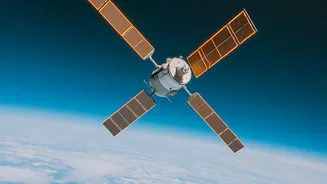
One of the most significant impacts of space weather is on the ionosphere, a layer of Earth's atmosphere filled with charged particles. Solar eruptions can cause this layer to become turbulent and irregular. When radio signals from satellites, such as those used for GPS, pass through these turbulent patches, they can get scattered and distorted. This phenomenon, known as ionospheric scintillation, is like the twinkling of starlight but for radio waves. The effect on our technology can be severe. Scintillation can cause a satellite signal's strength to fade, leading to a receiver losing its lock entirely. This results in dropped calls, inaccurate GPS locations, and interruptions in satellite internet services.
A Better Space Weather Report
Until recently, predicting the specific impact of a solar storm has been challenging. Scientists could see a CME leaving the sun but had difficulty forecasting its precise effects on Earth. Now, new forecasting models, often enhanced with artificial intelligence and machine learning, are changing the game. These systems analyze data from satellites monitoring the sun, like NASA's Solar Dynamics Observatory, and combine it with sophisticated physics-based models to provide more accurate and timely warnings. Some models, like the WSA-Enlil system used by forecasters, can provide a 1-4 day advance warning of solar wind structures that cause geomagnetic storms. This gives satellite operators, airlines, and power grid managers crucial time to prepare.
From Forecast to Stability
An accurate forecast is a powerful tool. Knowing that a period of intense scintillation is coming allows satellite operators to take protective measures. They can, for example, temporarily switch to more robust data transmission protocols, reroute communications through unaffected satellites, or simply warn users of potential service degradation. For aviation, it means airlines can reroute flights to avoid areas where GPS might be unreliable or where radiation levels are higher. For power companies, it provides a window to safeguard grids from damaging induced currents. Essentially, a better forecast doesn't stop the storm, but it allows us to brace for impact, significantly reducing the potential for damage and disruption.
The Impact for India's Digital Future
For a rapidly growing digital economy like India, satellite stability is paramount. The country's vast geography and large rural population make satellite technology crucial for expanding connectivity where terrestrial networks are not feasible. The rollout of satellite broadband from players like Jio, which plans a constellation of 1,600 satellites, and competitors like Starlink, will make a significant portion of the country's internet backbone dependent on space. From logistics companies relying on precise GPS tracking to farmers using satellite data for precision agriculture, the entire economy is becoming more intertwined with space technology. Enhanced space weather forecasting is therefore not just a scientific curiosity; it is a critical piece of national infrastructure, helping to ensure the stability and reliability of India's digital ambitions.