




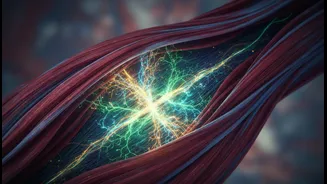


Decoding Molecular Ageing in Muscle
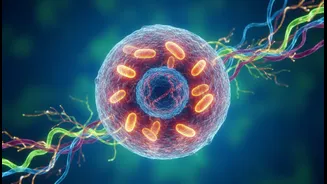
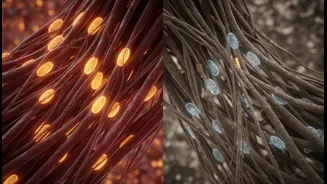
When we think of ageing, we often picture wrinkles or grey hair. But the process also happens deep within our cells. This is 'molecular ageing,' and it's closely tied to the health of our mitochondria—the tiny powerhouses inside every cell that generate
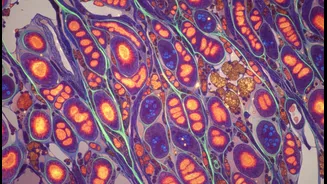
energy. With age, these powerhouses can become less efficient, leading to a decline in cellular function, particularly in high-energy tissues like skeletal muscle. This dysfunction is a key factor in sarcopenia, the age-related loss of muscle mass and strength that typically begins in our 30s and accelerates after 60. This loss of muscle isn’t just about feeling weaker; it impacts our metabolism, mobility, and overall risk for chronic disease.
Muscle as the Engine of Longevity
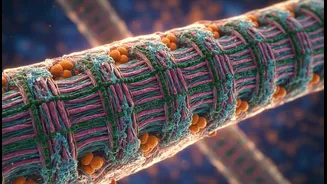
Skeletal muscle is much more than a tool for movement; it's a critical metabolic organ. Healthy muscle acts like a sponge for blood sugar, helping to regulate glucose levels and reduce the risk of type 2 diabetes. As we lose muscle mass, our resting metabolic rate drops, which is why many people find it harder to manage their weight as they get older. The decline in muscle strength and mass is a primary driver of frailty, increasing the risk of falls and reducing our ability to recover from illness. Therefore, maintaining muscle isn't just about aesthetics; it's about preserving the very engine that powers a long and healthy life.
How Exercise Hits the Rewind Button
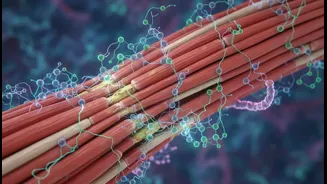
This is where exercise performs its magic. Physical activity, especially resistance training, sends a powerful signal to your muscles to grow and repair. At a molecular level, exercise helps your muscle cells clear out damaged components and improves the function of your mitochondria. Recent studies have even identified specific molecular pathways that explain how this works. For instance, exercise can suppress a gene called DEAF1, which becomes more active with age and disrupts the natural balance of protein repair in muscle cells. By lowering DEAF1 levels, exercise allows the muscle’s own quality-control systems to get back to work, keeping them stronger and more resilient. In essence, exercise can reverse some age-related genetic signatures, making older muscle function more like its younger self.
The Power of a Consistent Routine
The key to unlocking these anti-ageing benefits is consistency. Occasional workouts are good, but a regular, sustained routine creates the cumulative stress that forces muscles to adapt and stay young. Think of it as a continuous conversation with your cells. Each workout tells them to stay efficient, clear out waste, and maintain their power-generating capacity. Studies show that consistent exercise over several months leads to measurable reductions in markers of cellular ageing and significant improvements in muscle strength. Aiming for at least 150 minutes of moderate-intensity aerobic activity plus two or more days of strength training per week is a well-established guideline for reaping these rewards.
Your Anti-Ageing Exercise Blueprint
The ideal anti-ageing plan combines different types of exercise to provide comprehensive benefits. Resistance training (using weights, bands, or body weight) is essential for directly combating sarcopenia by building muscle mass and strength. Aerobic exercise, like brisk walking, swimming, or cycling, is crucial for improving mitochondrial health and cardiovascular function. High-Intensity Interval Training (HIIT) has also been shown to be particularly effective at improving insulin sensitivity and stimulating muscle protein synthesis in older adults. The best approach is a combination, as it provides both the muscle-building stimulus of resistance work and the metabolic and mitochondrial benefits of aerobic conditioning. It's never too late to start; research shows that even individuals who begin strength training in their 70s and 80s can see significant gains in muscle mass and strength.