





More Than Just a Meal
The rise of the rice bowl is easy to understand. It’s a versatile, customisable, and deeply satisfying meal that can be adapted for any taste or dietary need. It’s the perfect solution for a quick weeknight dinner, a healthy lunch, or a creative way to use
up leftovers. In India, the concept isn't new; we've long enjoyed meals like rajma chawal or curd rice, where rice is the star. The modern trend, however, places a special emphasis on building a dish where every bite offers a variety of sensations. It’s about moving beyond a single-note meal and creating a multi-sensory experience. The goal is to combine different components so that you get a mix of soft, chewy, crunchy, and creamy all in one spoonful.
The Foundation: A Perfect Bed of Rice
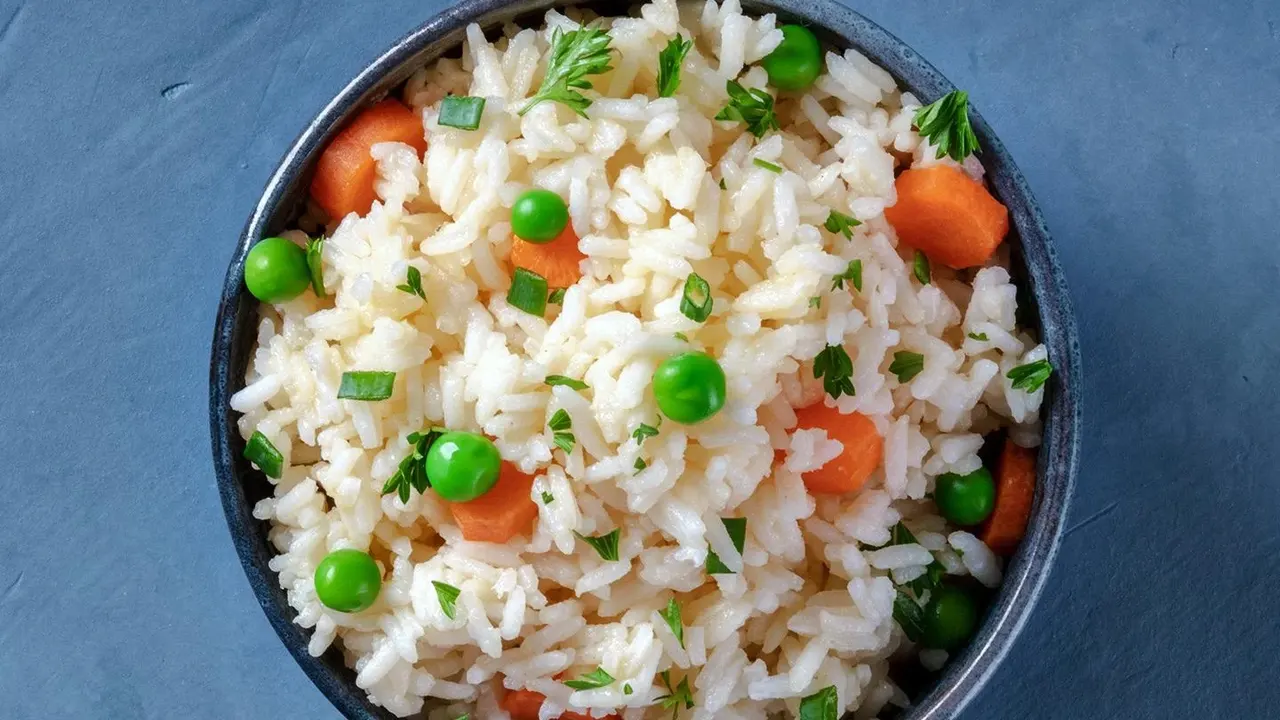
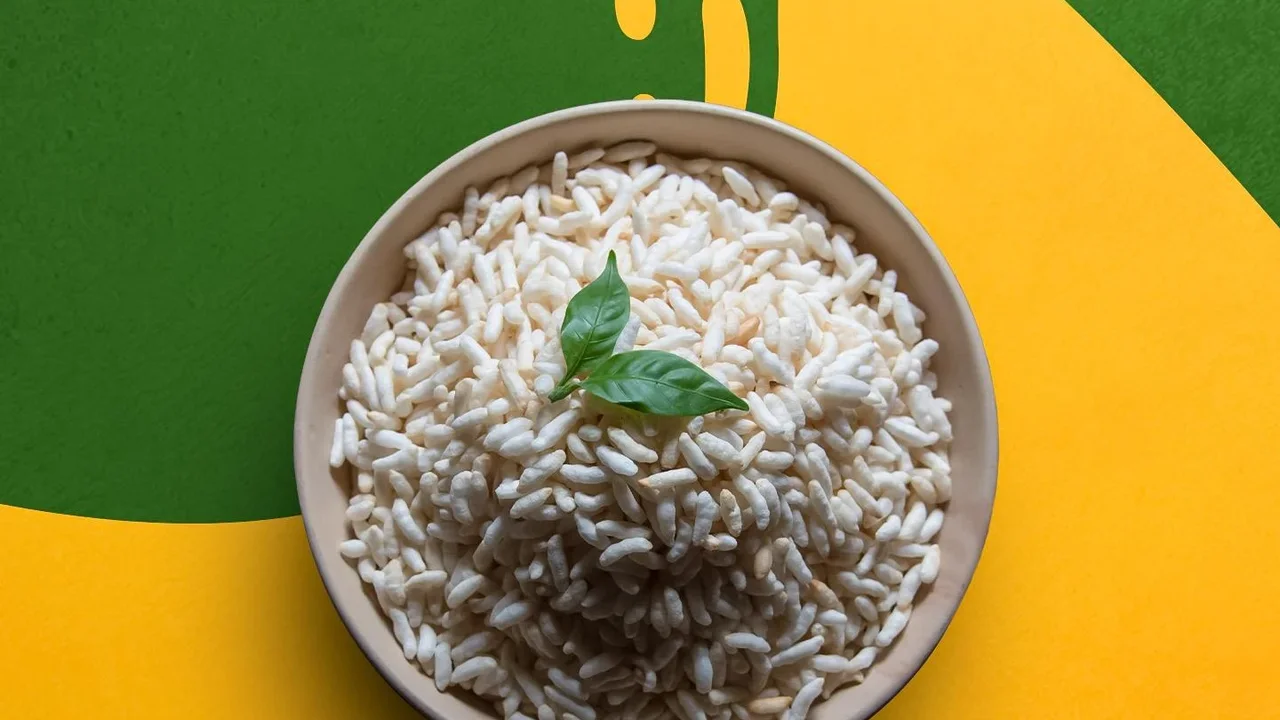
Everything starts with the base. While any rice will do, choosing the right kind can elevate the entire dish. Aromatic Basmati is a classic choice for many Indian-style bowls, lending its distinct fragrance and fluffy texture. Short-grain rice, often used in Japanese or Korean bowls, offers a slightly stickier, chewier bite. Brown rice provides a nuttier flavour and more fibre. To add another layer of flavour right from the start, consider cooking your rice in broth, coconut milk, or with whole spices like cumin seeds (jeera), a cinnamon stick, or a bay leaf. Some adventurous cooks even crisp up a layer of cooked rice in a hot pan for an irresistible crunchy foundation.
The Essential Crunch
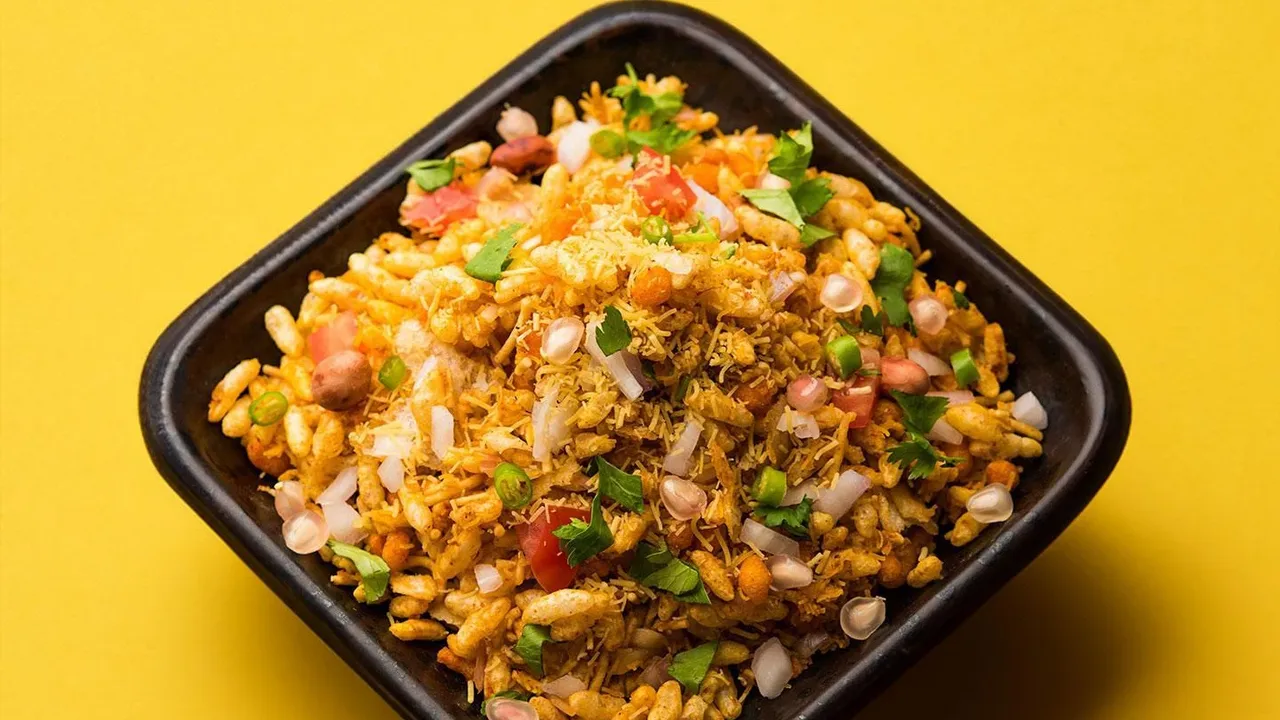
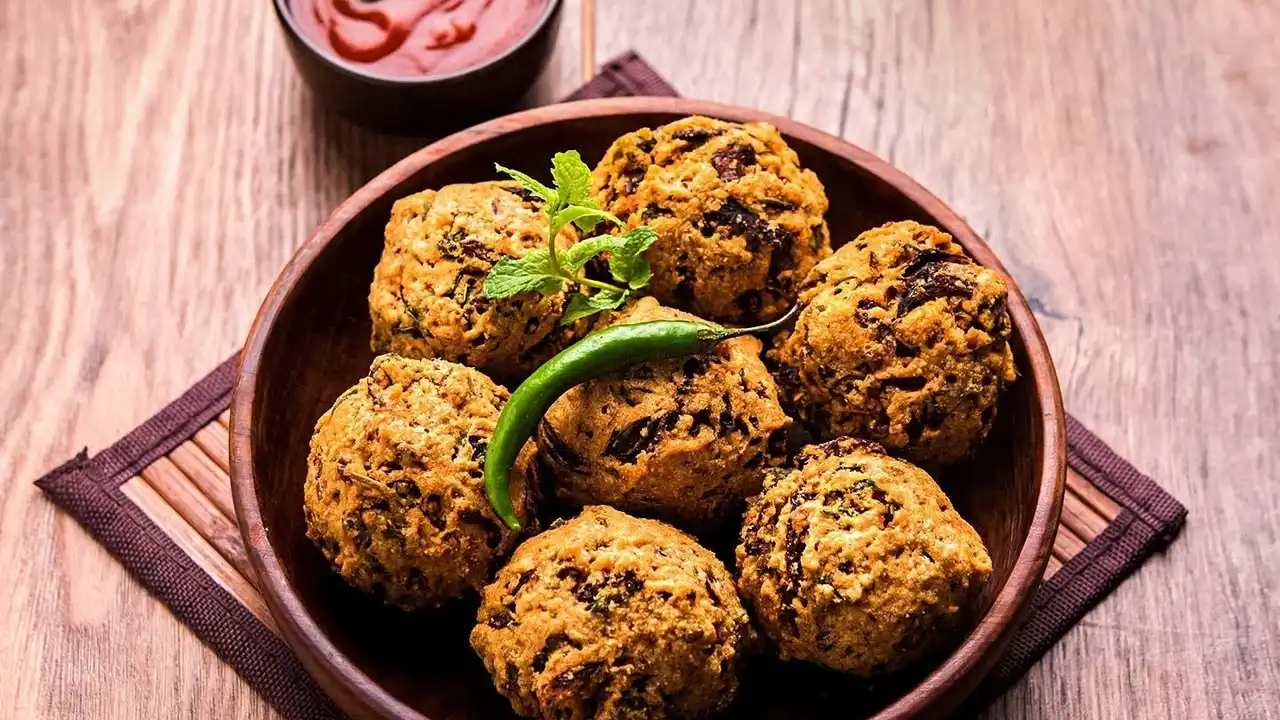
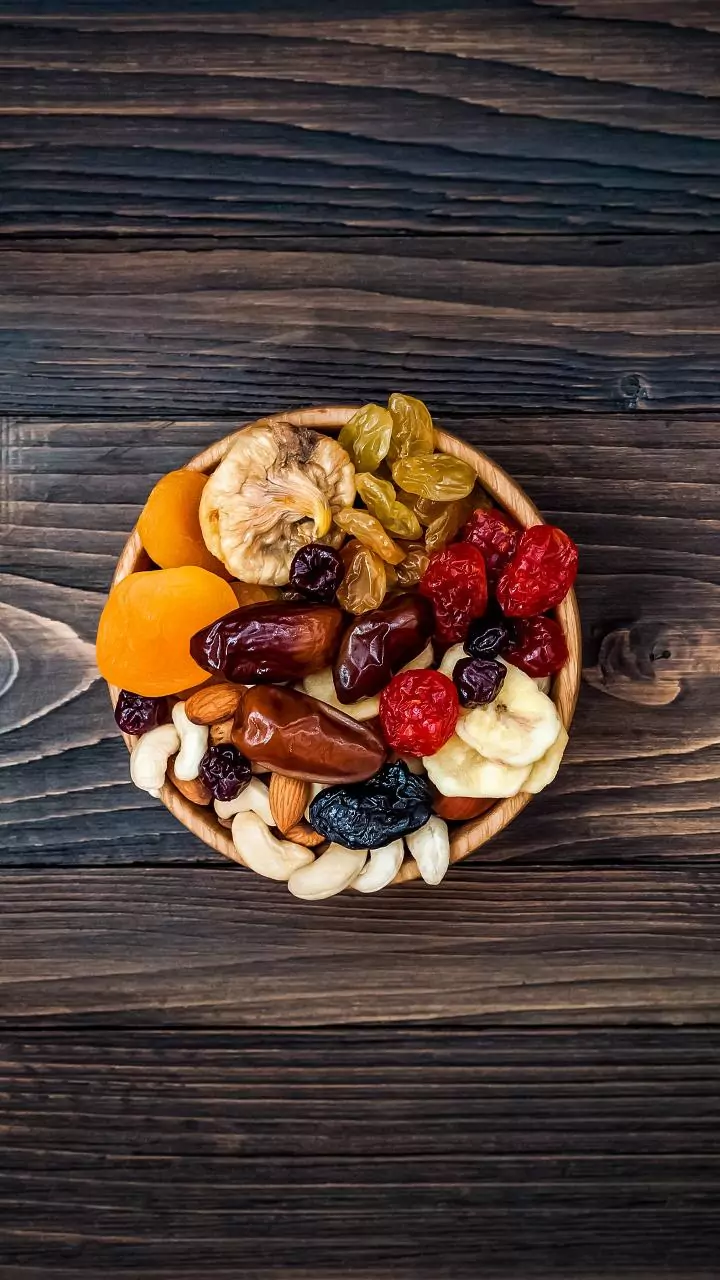
Texture is what makes a rice bowl truly exciting, and the crunch factor is non-negotiable. This is where you can get creative with toppings that provide a satisfying crackle and snap. Think beyond just raw vegetables. Toasted nuts like peanuts or almonds, and seeds like sesame, sunflower, or pepitas are fantastic for adding a nutty crunch. For a distinctly Indian touch, consider adding crispy fried onions (birista), crunchy sev, or roasted chana. Even fried pita wedges or papad, crushed over the top, can add a wonderful textural contrast. Pan-fried paneer or tofu, cooked until golden brown, can also serve as a hearty, crispy element.
The Creamy Counterpoint
To balance all that crunch, you need something creamy and luscious. This element helps to bind all the ingredients together and adds a rich mouthfeel. A dollop of thick, cooling dahi or a yogurt-based raita is a classic choice that cuts through spice beautifully. A simple mint-coriander chutney, a rich curry like dal makhani, or even a generous spoonful of hummus can provide that creamy base. For a touch of healthy fat and buttery texture, sliced avocado is a popular addition in many global rice bowl variations. A runny fried or soft-boiled egg also adds a decadent, saucy quality as the yolk breaks and coats the rice.
The Fresh and Zesty Finish
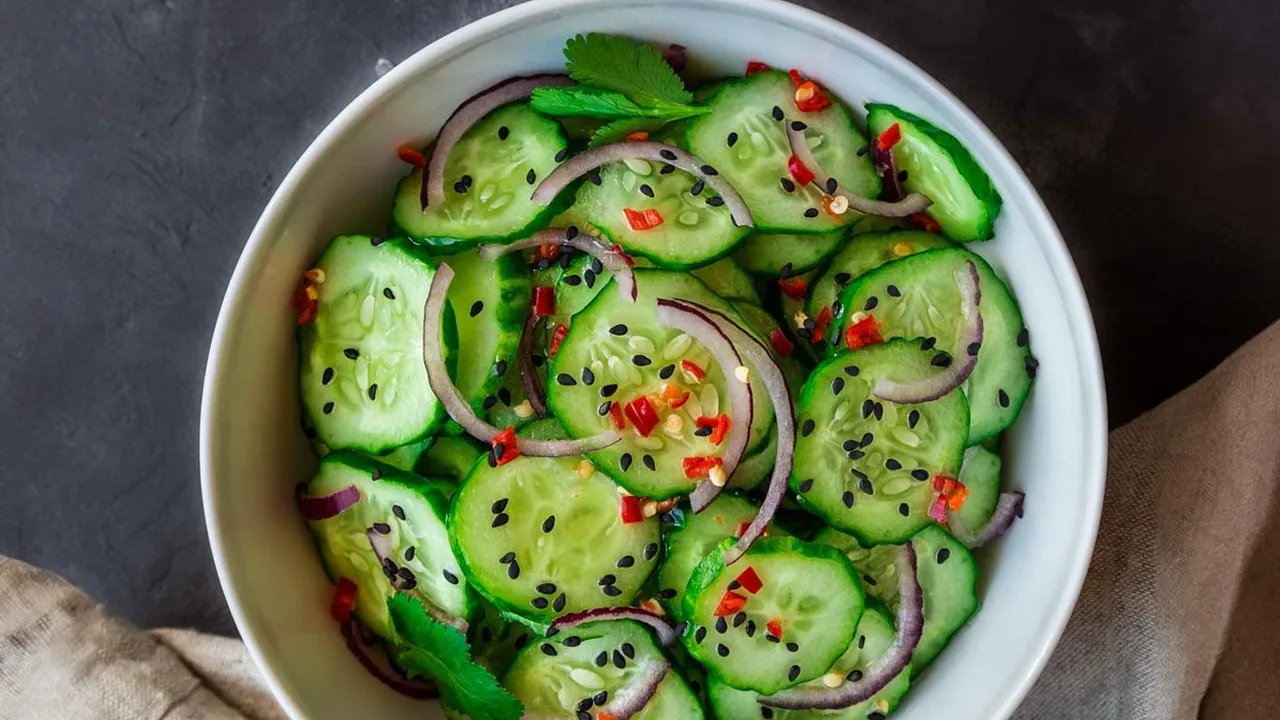
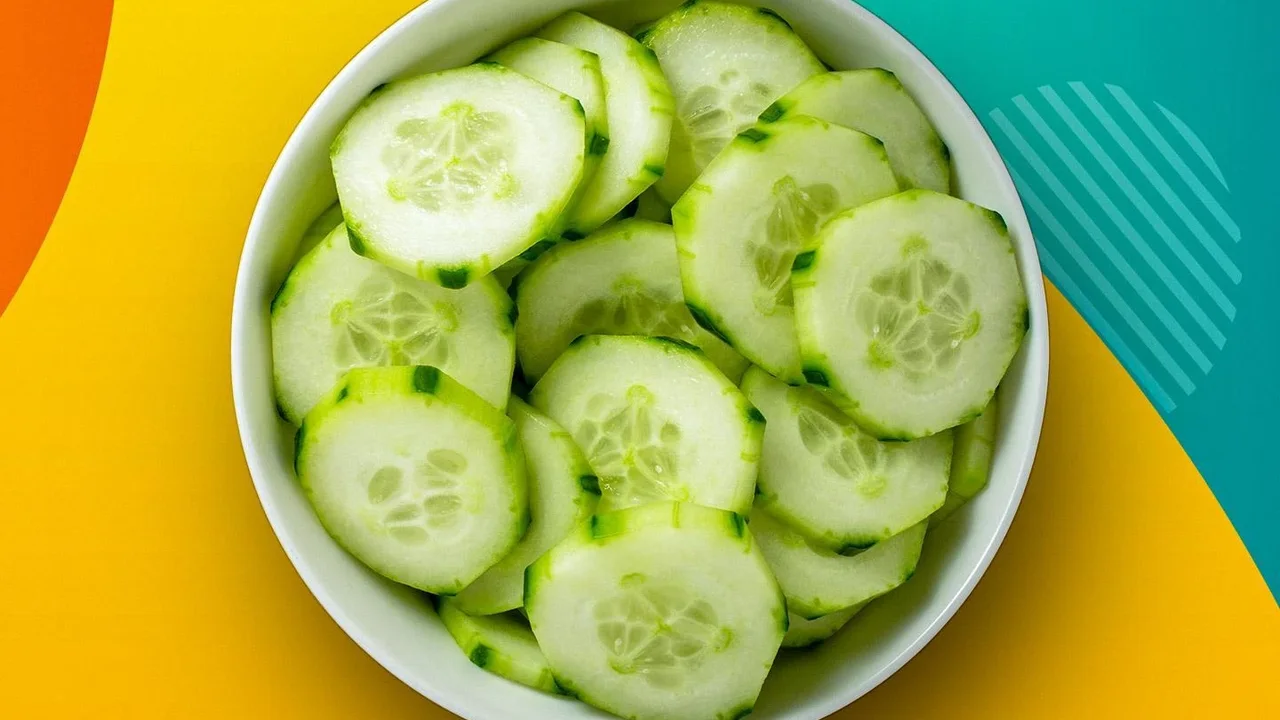
To prevent the bowl from feeling too heavy, a final layer of freshness is key. This component brightens the entire dish and cleanses the palate. A generous sprinkle of fresh herbs like chopped coriander or mint leaves is essential. A sharp, acidic element is also crucial for balance. This can be as simple as a squeeze of lemon or lime juice. Quick-pickled onions or other vegetables add a tangy crunch that complements the richer components perfectly. Finally, fresh, crisp vegetables like grated carrots, thinly sliced cucumber, or chopped tomatoes add a burst of freshness and another layer of subtle crunch.