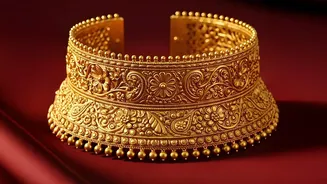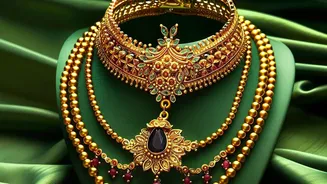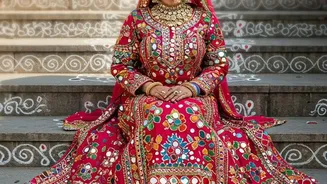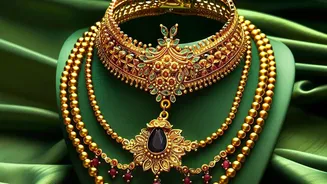






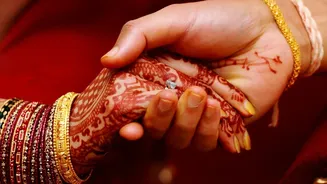

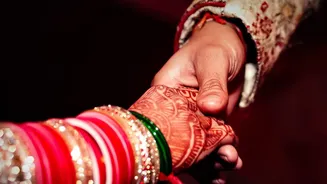
In millions of Indian homes, gold jewellery is far more than just adornment. It is a symbol of prosperity, a cultural heirloom, and most importantly, a powerful financial safety net that has protected families through crises for centuries.
More Than Just an Ornament
Gold's significance
in India is deeply woven into the cultural fabric, dating back thousands of years. From weddings and festivals like Diwali and Akshaya Tritiya, to religious ceremonies, gold is considered auspicious, a symbol of the goddess Lakshmi, who represents wealth and fortune. Gifting gold is a traditional blessing for prosperity and happiness. This cultural reverence means that almost every Indian household, across different income levels, accumulates gold over time, not just as an investment, but as a cherished part of their heritage. These pieces, passed from mother to daughter, carry stories and memories, making them priceless beyond their monetary value.
The Ultimate Financial Backstop
When a sudden financial need arises—be it a medical emergency, a business setback, or an unexpected expense—gold jewellery often serves as the first and most reliable line of defence. Unlike property, which is illiquid, or stocks, which are volatile, gold is a highly liquid asset that can be converted to cash quickly. This is a crucial feature that families have relied on for generations. In rural and semi-urban areas, where access to formal credit can be limited, gold acts as a form of informal insurance. This immediate access to funds provides a crucial cushion against economic shocks, ensuring stability when it's needed most. Even at a national level, gold has served as a backstop, most notably during the 1991 economic crisis when India pledged its gold reserves to avert a default.
A Legacy Passed to Empower
The tradition of passing gold down through generations is also a powerful tool for intergenerational wealth transfer, particularly for women. Historically, in a patriarchal system where property laws often favoured men, gold in the form of 'Streedhan' (a woman's wealth) provided women with a form of financial security and autonomy. This wealth, gifted by her family, legally belongs to her alone. A mother passing heirlooms to her daughter is not just continuing a tradition; it is a symbolic transfer of financial freedom and resilience. This practice ensures that women have a personal and valuable asset, empowering them within the family structure. Today, Indian households are estimated to hold around 25,000 tonnes of gold, a significant portion of which is owned by women.
Pledge, Don't Sell: The Rise of Gold Loans
Historically, selling family gold was often seen as a last resort, a taboo associated with severe financial distress. However, this perception is changing. Families now increasingly view their gold holdings as a dynamic financial asset. Instead of selling precious heirlooms, many are opting for gold loans. This allows them to pledge their jewellery as collateral to secure funds for short-term needs without giving up ownership. Financial institutions assess the purity and weight of the gold and typically offer a loan of up to 75% of its market value, as per RBI guidelines. With minimal paperwork and quick disbursal, gold loans have become a mainstream, practical solution, allowing families to unlock the value of their assets while keeping their sentimental and financial heritage intact.
A Timeless Asset in a Modern World
Even as modern investment options like mutual funds and digital assets become more prevalent, gold's role has not diminished. It remains a trusted hedge against inflation and currency devaluation, often performing well when other markets are volatile. Gold's performance during economic crises, such as the 2008 financial crisis and the COVID-19 pandemic, has reinforced its status as a safe-haven asset for Indian investors. While financial experts might point out that jewellery can be an inefficient investment due to making charges, its dual function as both a cultural treasure and a reliable emergency fund ensures it retains a unique and unshakeable place in the financial planning of Indian families.