



Gaganyaan: India's Human Spaceflight Debut
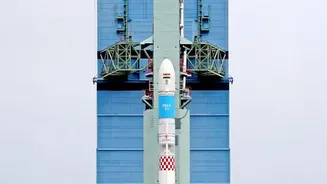
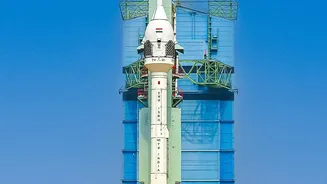
The Gaganyaan program is ISRO's top priority, aiming to send Indian astronauts, or 'Gaganauts,' into orbit. Before the first crewed flight (H1) tentatively scheduled for 2027, ISRO will conduct a series of critical uncrewed test launches. The upcoming
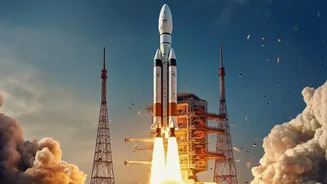
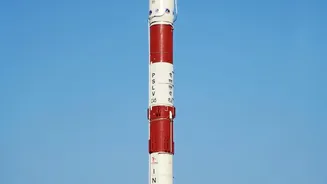
Gaganyaan-1 (G1) and Gaganyaan-2 (G2) missions, expected in late 2026, are uncrewed flights designed to validate every system, from the powerful HLVM3 rocket to the crew module's safe re-entry and recovery. These tests are absolutely essential to ensure the safety of the astronauts who will eventually travel in the capsule.
NISAR: A Groundbreaking Earth Observer
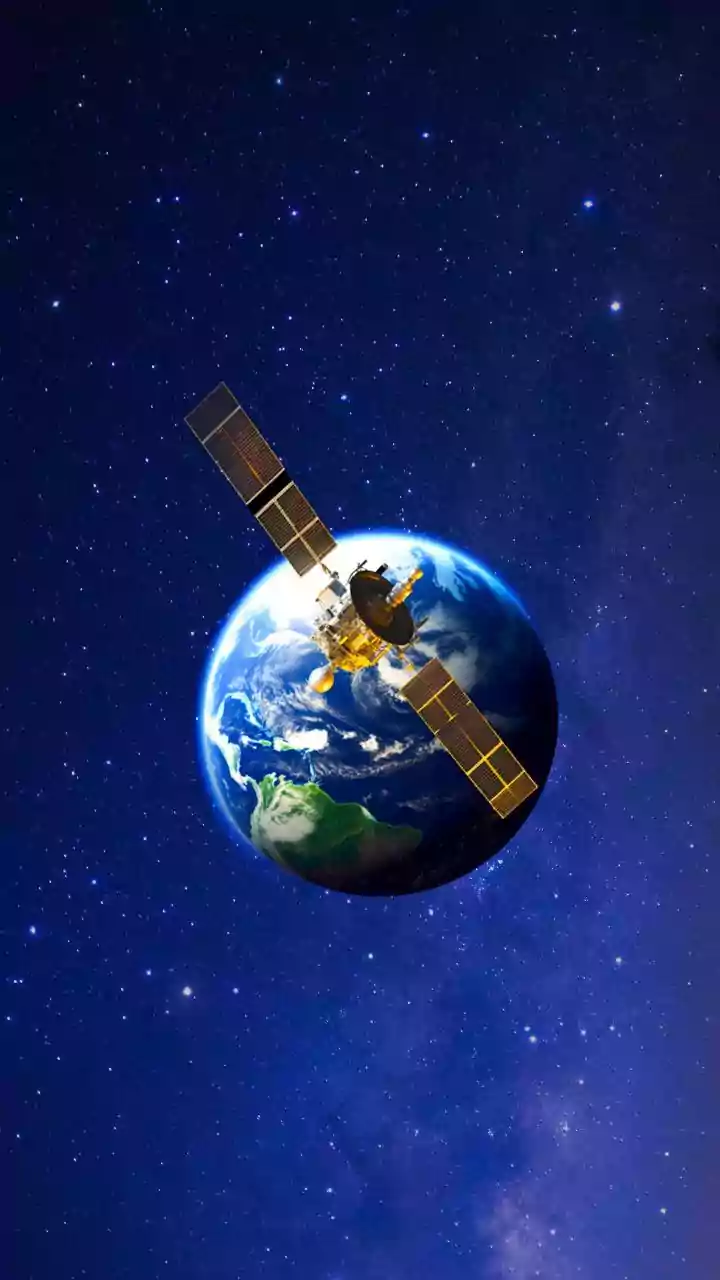
The NASA-ISRO Synthetic Aperture Radar (NISAR) is a joint mission that represents a new level of international collaboration. Launched in mid-2025, the satellite is now entering its full science operations phase in 2026. NISAR will provide an unprecedented, detailed view of Earth, using advanced radar to monitor changes in ecosystems, ice sheets, and natural hazards like earthquakes and volcanoes. For fans of our home planet, NISAR will deliver invaluable data to help understand and manage Earth's resources and changing climate.
Chandrayaan-4: Bringing a Piece of the Moon to India
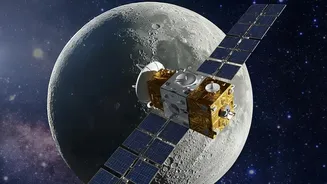
Building on the historic success of Chandrayaan-3, ISRO is aiming for an even more ambitious goal: a lunar sample return mission. Chandrayaan-4, planned for the 2027-2028 timeframe, will attempt to land on the Moon's south pole, collect soil and rock samples, and bring them back to Earth. This complex mission involves multiple spacecraft and a series of perfectly executed manoeuvres, including launching from the lunar surface and docking in space. Success would make India one of only a handful of nations to achieve this feat.
Mangalyaan-2: India's First Landing on Mars
After the triumphant Mars Orbiter Mission (MOM), ISRO is setting its sights on a Martian landing. The Mangalyaan-2 mission, planned for a 2030 launch, aims to place a lander and potentially a rover on the surface of the Red Planet. This mission will move beyond orbiting and attempt to conduct experiments directly on Martian soil, studying its geology and atmosphere up close. It's a massive technological leap that signals India's growing ambitions in deep-space exploration.
Shukrayaan-1: Unveiling the Secrets of Venus
Often called Earth's 'twin' because of its similar size, Venus is a hot, toxic world shrouded in thick clouds. ISRO's Shukrayaan-1, an orbiter mission planned for a 2028 launch, aims to find out why. Equipped with a suite of scientific instruments, including a ground-penetrating radar, Shukrayaan-1 will study Venus's atmosphere, its volcanic activity, and the mysterious forces that led to its runaway greenhouse effect. This mission could provide crucial insights into planetary climate change.
SPADEX: Mastering Docking in Space
The Space Docking Experiment (SPADEX) is a crucial technology demonstration mission. Launched in late 2024, it involves two small satellites that will practice rendezvousing and docking in orbit. This technology is a vital building block for future missions like building the Bharatiya Antariksh Station (Indian Space Station), servicing satellites, and conducting complex multi-part missions like Chandrayaan-4. Mastering docking will give India incredible flexibility for its future space endeavours.
Pushpak: The Reusable 'Space Plane'
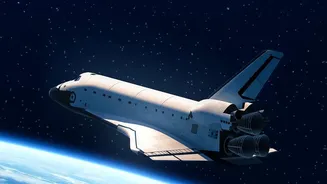
To make space access cheaper and more sustainable, ISRO is developing the Reusable Launch Vehicle (RLV), nicknamed 'Pushpak'. This uncrewed winged vehicle is designed to launch like a rocket, deploy a payload, and then land on a runway like an airplane. ISRO has already conducted several successful autonomous landing tests. While still a technology demonstrator, Pushpak is paving the way for a new generation of partially or fully reusable rockets that will be the workhorses of India's future in space.