
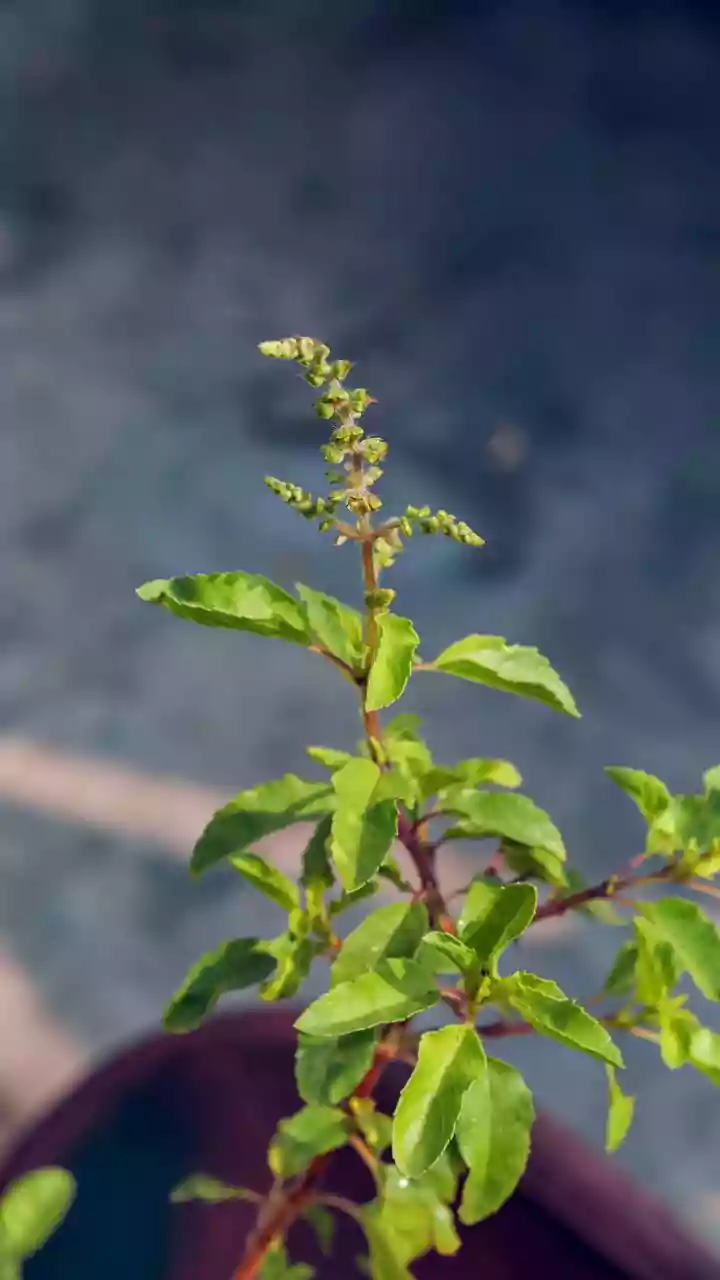



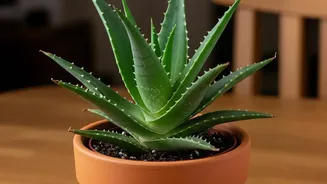

Ever notice your favourite houseplant leaning dramatically towards the window, as if trying to escape? This common sight is a clear signal. Giving your indoor plants a regular turn is one of the simplest yet most effective ways to ensure they grow evenly.
The Science of the Lean
That persistent lean is a natural process called phototropism. Plants have an innate survival instinct to grow towards their primary energy source: light. Indoors, that source is almost always a window or a single grow light, creating a strong one-directional pull. A growth hormone called auxin accumulates on the shaded side of the stem, causing those cells to elongate faster and bending the plant towards the light. This isn't a sign of a struggling plant, but rather a healthy one doing exactly what it's supposed to do to maximize light absorption for photosynthesis. While this is a clever survival tactic, over time it can lead to a lopsided, sparse, and structurally unbalanced plant.
Signs Your Plant Needs a Spin
Your plants will give you clear visual cues when they're ready for a rotation. The most obvious is a noticeable lean, where the entire plant seems to be tilting towards the window. You might also see that the side facing the light is significantly fuller, with more leaves and denser growth, while the side facing the room is sparse or even bare. Individual leaves may also orient themselves to face the window, creating a somewhat jumbled appearance. In some cases, a plant that is never rotated may even begin to drop leaves on its darker side, as it's not getting enough light to sustain them. Observing these signs is more important than sticking to a rigid schedule; let your plant's growth tell you what it needs.
The Quarter-Turn Rule
The most recommended method for rotating plants is the simple quarter-turn. Instead of a dramatic 180-degree flip that could shock the plant, a gentle 90-degree turn is much more effective. This small, consistent adjustment allows each part of the plant to gradually receive light without causing stress. A great way to build this into your routine is to give your plant a quarter turn every time you water it. This makes it easy to remember and ensures a slow, steady rotation that encourages straight, symmetrical growth. Always turn the pot in the same direction to maintain consistency. Over four waterings, your plant will have completed a full 360-degree rotation.
How Often Should You Rotate?
While turning your plant at every watering is a good rule of thumb, the ideal frequency can depend on your specific conditions. Plants in lower-light settings may need to be rotated more frequently, perhaps every few weeks, as they will stretch towards the light more aggressively. Conversely, plants in bright, indirect light might only need a turn every month or two. Fast growing plants will naturally show the effects of one sided light more quickly and will benefit from more frequent turns. Ultimately, there is no strict schedule. The goal is to observe and respond. If you see your plant starting to lean, it's time for a turn. If it's growing straight and looks balanced, you can wait a bit longer.
Rotation is a helpful tool, but it's not a universal requirement for every plant. Some plants, like many climbing aroids, develop a distinct front and back and may be better left alone. Flowering plants that have already developed buds, such as orchids or a Christmas cactus, should not be rotated. A sudden change in light orientation can cause them stress and lead to 'bud drop,' where the plant discards its unopened flowers. Plants placed directly under an overhead grow light that provides even coverage may not need rotation at all. The key is to think of rotation as a shaping tool, not a mandatory chore. If the plant looks healthy and balanced, it's often best to leave it be.