





The Rainy Day Mood Shift
The connection between gloomy weather and our mood is very real. A lack of sunlight can cause a dip in serotonin, the brain's 'feel-good' neurotransmitter. This chemical is crucial for regulating mood, appetite, and sleep. When serotonin levels drop,
our brain instinctively seeks ways to boost them. This can trigger cravings, particularly for carbohydrate-rich foods, as they play a key role in helping the brain produce more serotonin. It’s a form of self-medication; your body is simply trying to cheer itself up in response to the dreary weather outside.
In Search of Warmth and Comfort
On a cool, damp day, the body naturally seeks warmth. While a hot drink might not dramatically raise your core body temperature, it provides an immediate, soothing sensation. Holding a warm mug and sipping a hot beverage like tea or coffee makes us feel comfortable and can reduce shivering. This physical feeling of warmth provides a powerful psychological contrast to the cold, wet environment outside. Researchers note that moving from a cold, damp setting into a warm one enhances our feelings of comfort, making the experience of that hot chai feel even more rewarding. This sensory input signals safety and coziness to our brains, making it a powerful antidote to the monsoon chill.
The Irresistible Call of Carbs
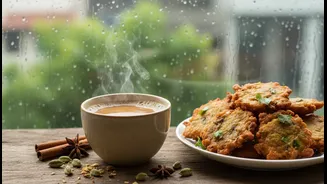
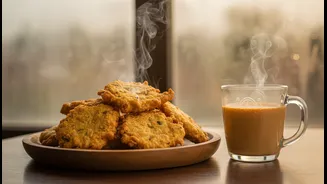
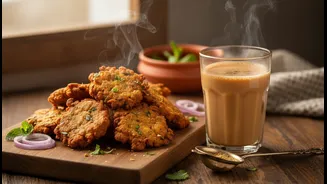
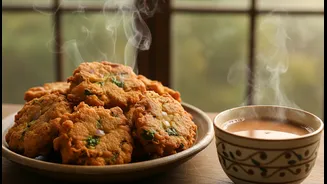
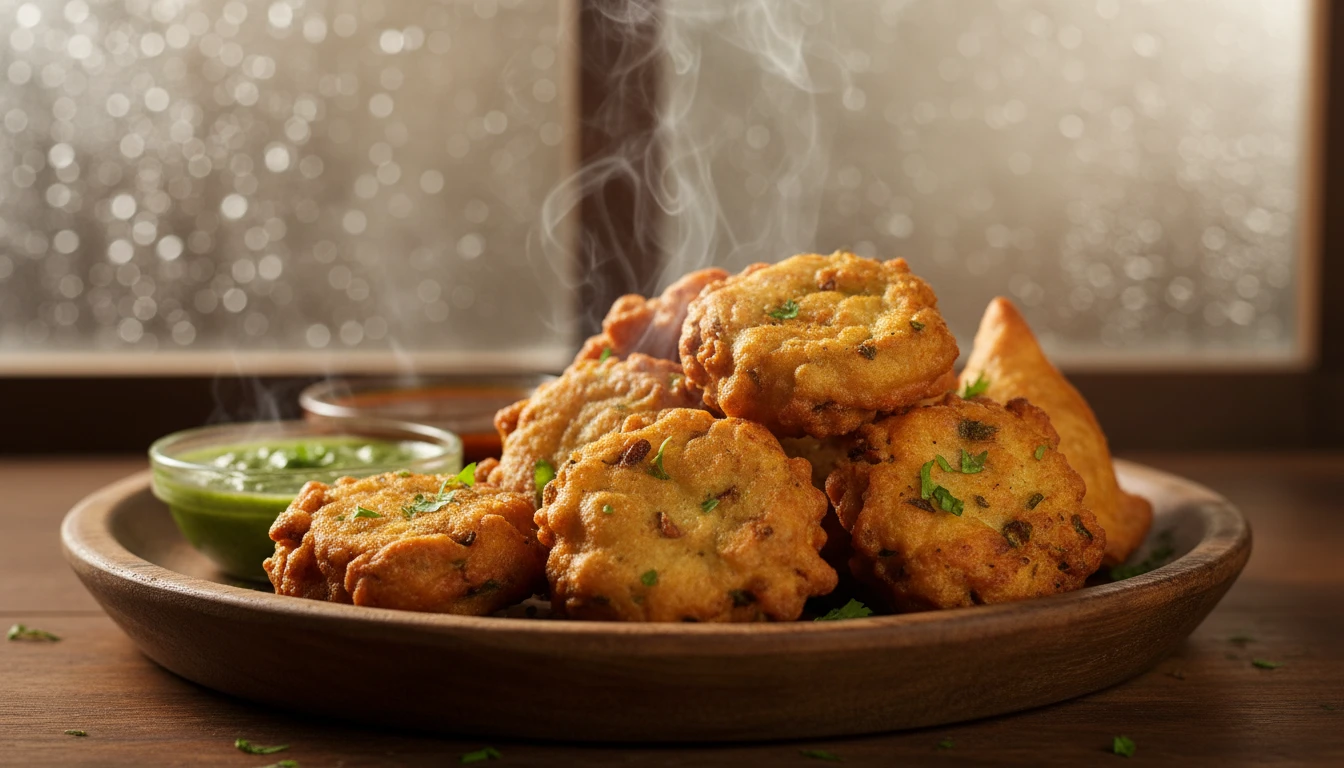
There's a scientific reason that plate of pakoras, samosas, or bhajiyas is so hard to resist. These fried snacks are typically high in carbohydrates. When we consume carbohydrates, it triggers the release of insulin, which in turn helps an amino acid called tryptophan enter the brain. Tryptophan is the precursor to serotonin. So, eating that crispy, fried snack gives you a temporary serotonin spike, which makes you feel happier and more relaxed. The crunchy texture also adds to the satisfaction, creating a more enjoyable sensory experience that feels particularly gratifying in contrast to the damp, quiet atmosphere of a rainy day.
It's All in the Memory
Our brains are powerful association machines. For many in India, the smell of rain, or petrichor, is deeply linked with childhood memories of family gathering in the kitchen, of grandparents making snacks, and of sharing hot food while watching the downpour. Psychologists call this 'associative learning.' When two things—like rain and comforting food—are experienced together repeatedly, the brain forges a strong connection. Over time, the rain itself becomes a trigger for the craving. The desire isn't just for the food, but for the feelings of nostalgia, safety, and togetherness that come with it. It's less about physical hunger and more about emotional memory.
A Deep-Rooted Cultural Ritual
The chai-pakora combination is more than a snack; it's a cultural institution during the Indian monsoon. Across the country, from Mumbai's vada pav to Kolkata's telebhaja, every region has its own cherished rainy-day snack. These foods are part of a shared ritual that brings people together. Roadside stalls do brisk business, and households fire up their kitchens to prepare these treats. This shared experience reinforces the craving. When everyone around you is partaking in this monsoon tradition, it strengthens the association and makes the act of eating these snacks feel like a communal celebration of the season.