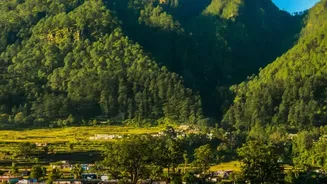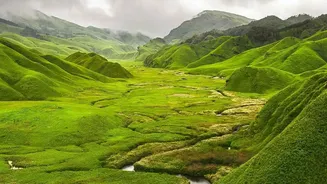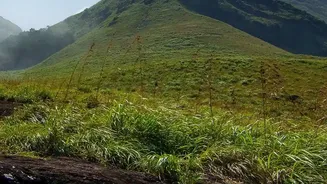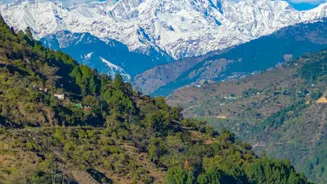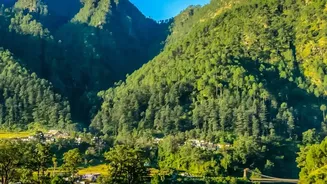


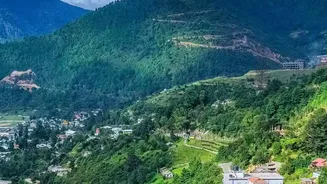
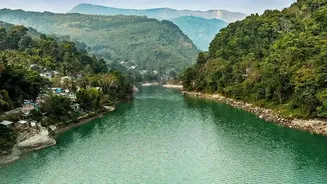
Known as the 'Land of the Dawn-Lit Mountains', Arunachal Pradesh is one of India’s last frontiers of raw, untouched wilderness. This remote northeastern state offers a journey into a world of dramatic landscapes and vibrant cultures.
Tawang: The Spiritual Heartland
Perched at an altitude
of around 10,000 feet, Tawang is a mesmerising blend of natural beauty and spiritual serenity. The town is famous for the Tawang Monastery, the largest Buddhist monastery in India and a spiritual centre for the Monpa people. Founded in the 17th century, the monastery offers profound peace, especially during the early morning prayers. The journey to Tawang itself is an adventure, often involving an overnight halt in Bomdila or Dirang to acclimatise. Beyond the monastery, the region is dotted with stunning high-altitude lakes, such as the famous Madhuri Lake, and breathtaking landscapes that captivate photographers and nature lovers. To enter the region, Indian visitors require an Inner Line Permit (ILP), which can be conveniently applied for online.
Sela Pass: The Gateway to Paradise
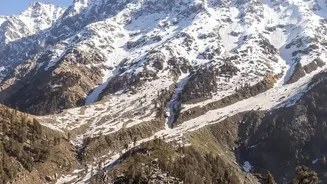
The journey to Tawang is incomplete without crossing the formidable Sela Pass, located at an elevation of about 13,700 feet. More than just a mountain pass, Sela is a destination in itself, marking the dramatic transition from lush green valleys to a stark, high-altitude alpine environment. The pass is home to the stunning Sela Lake, a sacred glacial lake that often remains frozen during winter. Surrounded by prayer flags fluttering in the wind and snow-capped peaks, the area offers a panorama of the Eastern Himalayas. While the recently inaugurated Sela Tunnel now provides year-round connectivity and bypasses the pass's most treacherous sections, the old route remains a draw for those seeking raw scenic drama and adventure. It's a place where the air is thin, the views are vast, and the beauty is profound.
Ziro Valley: A Cultural Tapestry
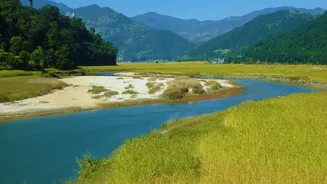
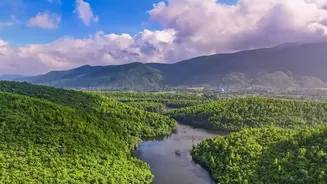
A world away from the high passes, Ziro Valley is a lush, flat expanse of paddy fields nestled among pine-clad hills. This serene valley is home to the Apatani tribe, renowned for their unique and sustainable agricultural practices of wet rice cultivation combined with fish farming. This harmonious relationship between culture and nature has earned the Apatani cultural landscape a place on UNESCO's Tentative World Heritage list. Ziro is not a place for a packed sightseeing itinerary; its charm lies in slowing down. Visitors can walk through traditional Apatani villages like Hong and Hija, interact with the locals, and learn about their customs. The valley also gains international fame for hosting the Ziro Festival of Music, an outdoor event that draws artists and fans from across the globe.
Mechuka: The Forgotten Valley
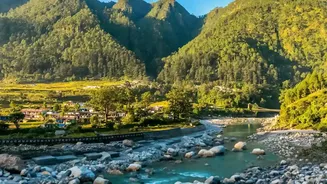
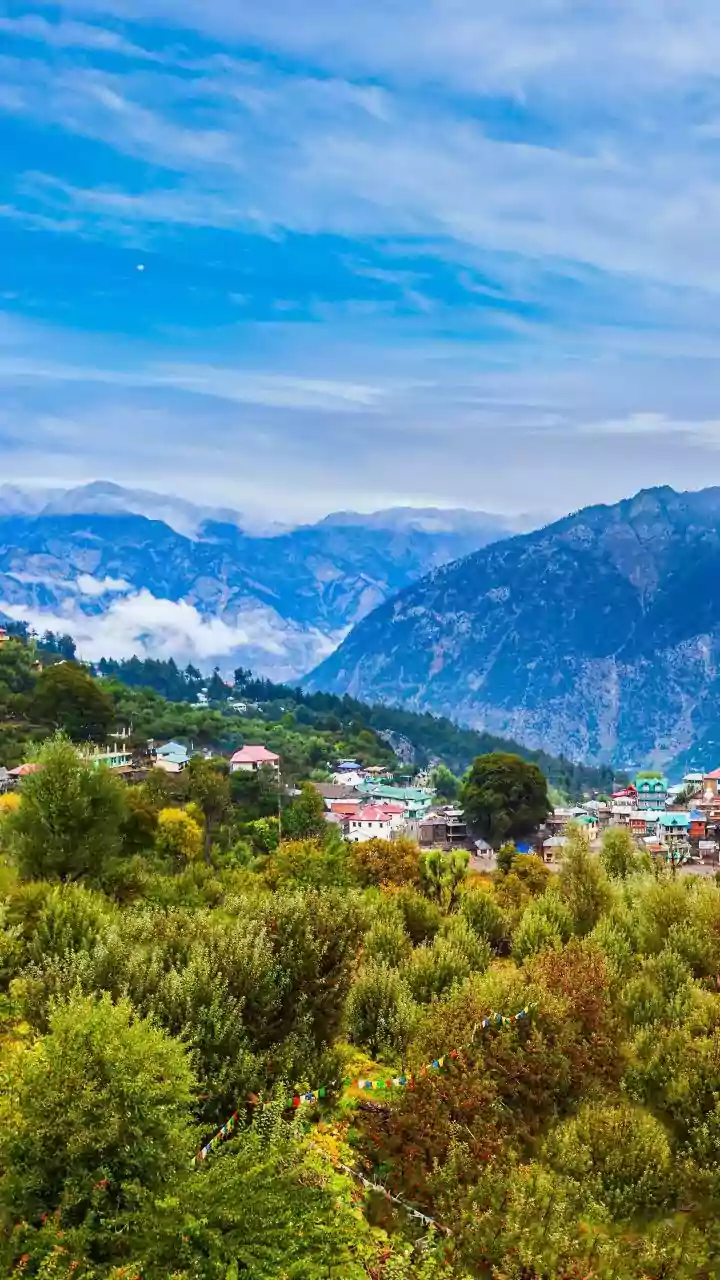
For those seeking true remoteness, Mechuka is a piece of heaven. Also known as the 'Forbidden Valley', this destination in the Shi-Yomi district is a visual treat with its wide, grassy meadows, wooden houses, and the pristine Siyom River flowing through it. Located just 29 km from the Indo-China border, Mechuka has an off-the-grid feel that is increasingly rare. The journey to Mechuka is long and arduous, typically from Aalo (Along), but the reward is a landscape of surreal beauty. Key attractions include the 400-year-old Samten Yongcha Monastery perched on a hilltop, numerous hanging bridges over the river, and the Guru Nanak Taposthan, a gurdwara maintained by the Indian Army. Homestays offer an authentic way to experience the hospitality of the local Memba tribe and immerse oneself in the profound silence of the Himalayas.