




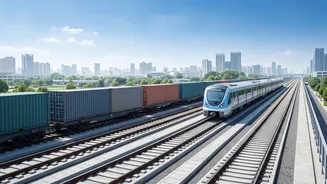
The Daily Struggle on Shared Tracks
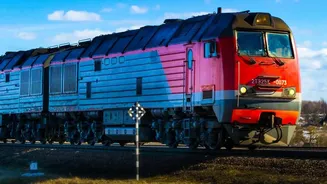
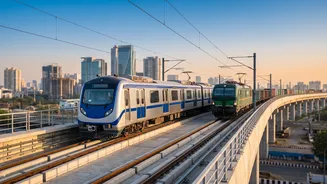
Mumbai's suburban railway network, often called its lifeline, has long operated under immense pressure. A primary reason for the congestion and delays has been the sharing of tracks between passenger locals and long-distance goods trains. For decades,
both vied for space on the same overburdened lines. Passenger services were often prioritised, forcing freight trains to wait, which created a cascading effect of delays and bottlenecks across the network. This operational conflict limited the number of suburban services that could be run, especially during peak hours, contributing directly to the infamous "super-dense crush load" conditions faced by commuters.
A Game-Changer Arrives: The Dedicated Freight Corridor
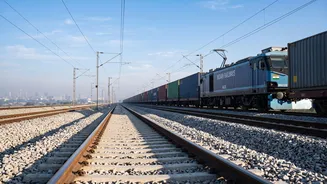
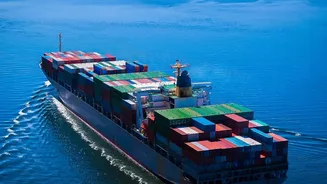
The solution to this decades-old problem is the Dedicated Freight Corridor (DFC), a monumental infrastructure project creating a separate, high-speed network exclusively for goods trains. The Western Dedicated Freight Corridor (WDFC), a 1,506-km route, now connects New Dadri in Uttar Pradesh to Jawaharlal Nehru Port (JNPT) in Mumbai. Having been declared 100% complete, this freight superhighway is designed to handle heavier loads and longer trains at higher speeds, fundamentally changing how goods are transported across the country. By creating a parallel and independent path for cargo, the DFC effectively untangles the knot of mixed traffic that has plagued Mumbai's rail lines.
How Freight's Exit Frees Up Your Commute
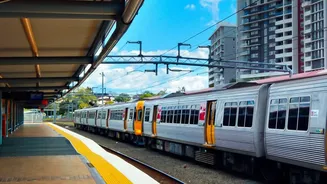
With freight trains now migrating to the WDFC, the existing railway lines that run through the Mumbai Metropolitan Region are freed up for what commuters desperately need: more local train services. Railway officials have confirmed that this separation is a critical step in their capacity expansion plans. The tracks once occupied by slow-moving goods trains can now be repurposed to increase the frequency of suburban services, add new routes, and improve the punctuality of the entire system. This segregation of traffic is the key that unlocks the potential for a significant increase in the network's passenger-carrying capacity, directly addressing the core issue of congestion.
More Services, Less Overcrowding
The tangible benefit for Mumbaikars will be a noticeable increase in train services. According to Union Railway Minister Ashwini Vaishnaw, the plan is to increase daily services from the current 3,200 to around 3,500 by 2030. This capacity enhancement is part of a broader strategy under the Mumbai Urban Transport Project (MUTP), which also includes extending platforms to accommodate longer 15-car trains and introducing hundreds of new-generation air-conditioned locals. The first of 238 new AC rakes is expected to arrive in 2027, with the full fleet transformative for commuter comfort. This multi-pronged approach—more tracks available thanks to the DFC, longer platforms, and more trains—aims to significantly ease the daily travel woes of millions.
A Foundation for Future Growth
The completion of the DFC is more than just a short-term fix; it lays the groundwork for Mumbai's future transport needs. As the city and its satellite townships continue to grow, projects like MUTP-4 are already being planned to map out infrastructure requirements through to 2047. These plans involve creating even more segregated corridors for suburban and mainline traffic, strengthening both fast and slow services, and ensuring connectivity to new growth areas. The successful separation of freight and passenger traffic is a foundational step, proving that large-scale infrastructure planning can yield direct, positive results for the public and create a more efficient, reliable, and less congested railway system for years to come.