


The Magic of a Simple Prompt
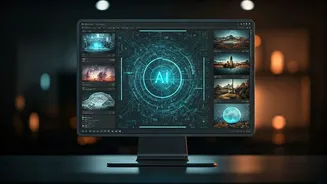
At the heart of this creative revolution are generative AI models. Tools like Midjourney, Stable Diffusion, and DALL-E 2 have moved from niche experiments to powerful instruments in the hands of digital artists. These platforms work on a simple premise:
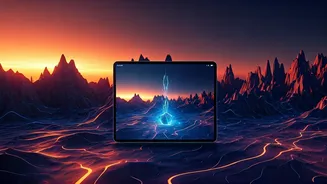
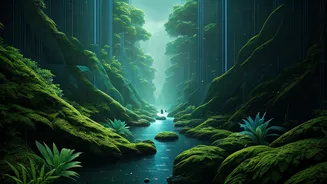
a user enters a text description, known as a 'prompt', and the AI interprets these words to generate a unique image. What was once a complex process requiring hours of sketching, painting, and rendering can now be initiated in seconds. For freelance artists, this technology is a game-changer, particularly in the realm of concept art—the visual development phase for films, video games, and theatre where the look and feel of a world is first established.
A New Creative Workflow
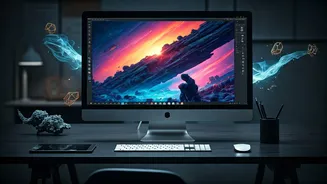
The process is far more nuanced than simply typing and waiting. An artist’s skill is now channelled into 'prompt engineering'—the art of crafting detailed, evocative text that guides the AI towards a specific vision. A prompt might not just say 'futuristic city', but rather 'dystopian Mumbai skyline during a dust storm, brutalist architecture, holographic ads flickering in the haze, view from a high-rise balcony'. The artist then iterates, refining the prompt, adding negative prompts (to exclude certain elements), and blending different AI-generated images to create a cohesive vision. This initial burst of AI-generated concepts serves as a powerful foundation. The artist then takes these concepts into traditional software like Photoshop to paint over them, add bespoke details, correct inconsistencies, and infuse their unique style. It’s less about replacement and more about powerful collaboration.
The Freelancer's Competitive Edge
For independent artists, this technology offers a significant advantage in a competitive market. Previously, creating multiple high-quality backdrop concepts for a client was a time-intensive and costly affair. Now, a freelancer can present a client with five or six distinct visual directions within a fraction of the time. This speed and versatility allows them to take on more projects, compete with larger studios, and offer more value. It democratises the ability to ideate on a grand scale. A single artist in Bengaluru can now conceptualise an entire alien planet for an indie game developer in Berlin over a single afternoon, providing a range of options that would have once required a small team.
Shifting Skills and Anxious Debates
This shift is not without controversy. Many artists worry that the reliance on AI could devalue traditional skills like drawing and painting. There are also significant ethical and legal questions surrounding the data used to train these models, with many AIs learning from vast swathes of internet images, often without the original artists' consent. This has led to concerns about style imitation and copyright infringement, and a debate rages within the creative community about whether AI-generated art is 'real' art. Some clients are even becoming wary, specifying 'No AI' in their project briefs to ensure the work is entirely human-made and free from potential legal entanglements.
The Artist as Creative Director
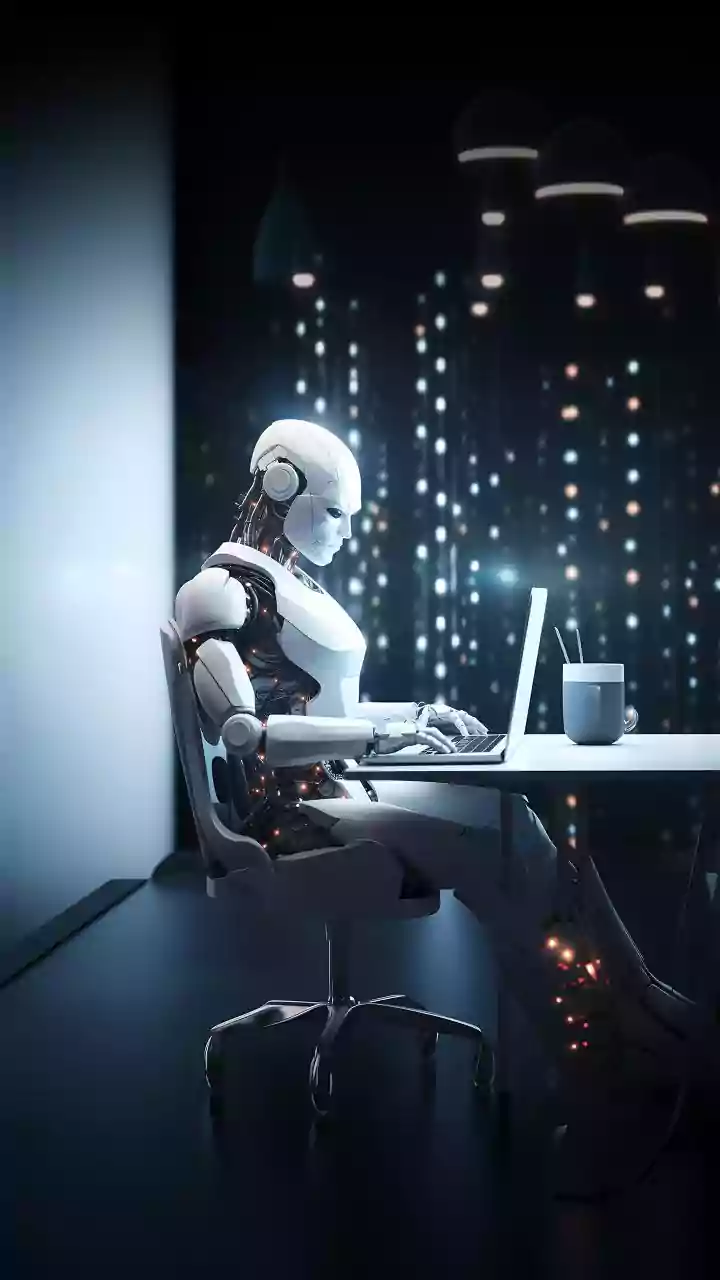
Ultimately, the rise of generative AI is redefining the role of the concept artist. The emphasis is shifting from pure technical execution to creative direction. The most valuable skill is no longer just the ability to render a perfect image, but the ability to have a strong vision and guide a powerful tool to bring it to life. The AI can generate endless possibilities, but it still requires a human eye to curate, refine, and combine them into something truly compelling and emotionally resonant. The AI is the instrument, but the artist remains the conductor, responsible for the final symphony.