

What Exactly is Organic Palm Jaggery?
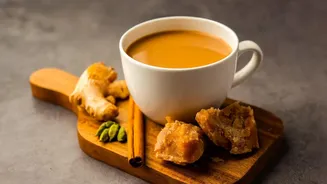
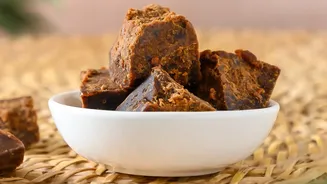
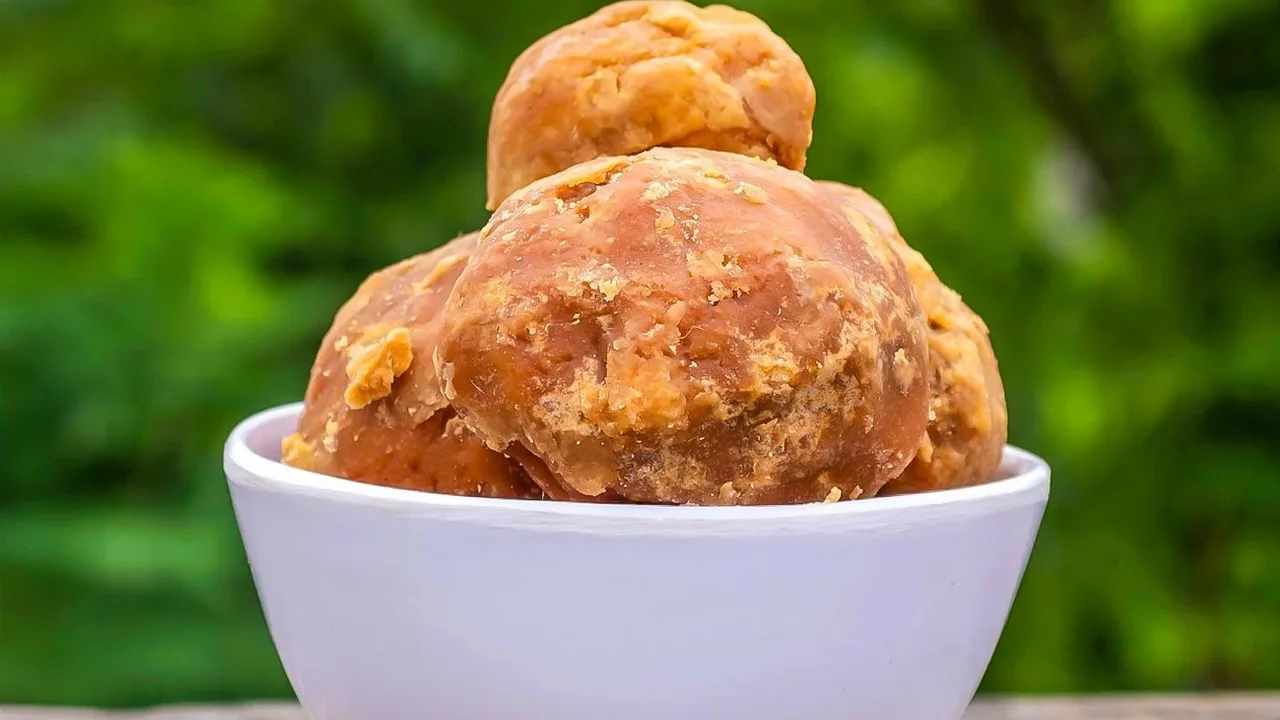
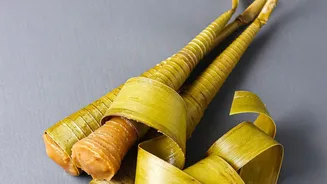
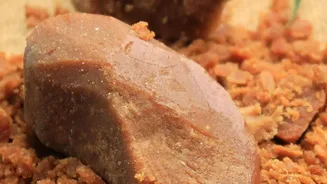
Organic palm jaggery is a natural, unrefined sweetener with deep roots in South and Southeast Asian cuisine. Known by various names like 'karupatti' in Tamil Nadu or 'thaati bellam' in Andhra Pradesh, it is made by extracting the sap from palm trees,
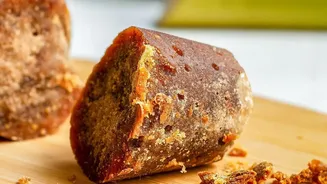
most commonly the palmyra or date palm. This sap, called 'neera', is collected and then boiled in large vats, often over a traditional firewood stove, until it thickens and solidifies. Unlike refined white sugar, which undergoes intensive chemical processing that strips it of nutrients, organic palm jaggery is made without chemical agents or preservatives. This minimal processing allows it to retain its natural mineral content and results in a product that is rich in colour and flavour.
The 'Sugar-Free' Myth vs. Reality
The term 'sugar-free' in the context of palm jaggery can be misleading. While it is a fantastic alternative to refined white sugar, palm jaggery is not free of sugar; it is primarily composed of sucrose. However, it is considered a healthier option for several reasons. Firstly, it has a lower glycemic index (GI) compared to white sugar, meaning it releases energy more slowly and is less likely to cause sharp spikes in blood sugar. Secondly, because it is unrefined, palm jaggery retains many of the minerals from the palm sap, including iron, magnesium, potassium, and calcium. Refined sugar, by contrast, offers what many call 'empty calories' with no nutritional benefits. So, while it's not a 'no-sugar' food, it is a more complex and nutrient-rich sweetener.
Unlocking a World of Flavour
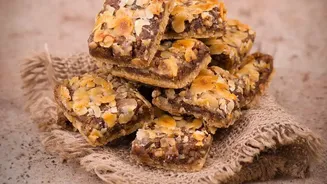
Perhaps the most compelling reason home bakers are falling in love with palm jaggery is its unique and complex flavour. It boasts a rich, deep taste with notes of caramel, toffee, and a hint of smokiness that white sugar simply cannot match. This distinctive profile can elevate baked goods from one-dimensionally sweet to wonderfully complex. It pairs exceptionally well with spices like cardamom and ginger, and it brings a beautiful depth to fruit cakes, whole wheat muffins, and traditional Indian sweets. Using palm jaggery adds not just sweetness but also character, giving your desserts a rustic and wholesome taste that is both comforting and sophisticated.
A Practical Guide to Substitution
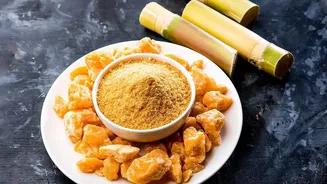
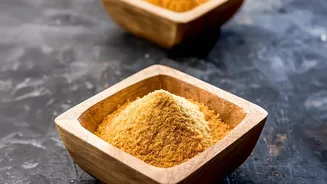
Switching from sugar to palm jaggery in your recipes is straightforward, but there are a few things to keep in mind. Palm jaggery comes in various forms, including solid blocks, semi-solid pastes, and convenient powders. If you have a solid block, you will need to grate it or melt it with a small amount of water to create a syrup before incorporating it into your batter. Powdered palm jaggery is the easiest to use and can often be substituted in a 1:1 ratio for brown sugar. Some bakers suggest using a little more jaggery than sugar—about one and a third cups of jaggery for every cup of white sugar—as it can be slightly less sweet. Jaggery also contains more moisture, which can result in softer, denser, and more moist cakes, a quality many bakers appreciate.
Tips for Perfect Jaggery Bakes
To get the best results when baking with palm jaggery, here are a few expert tips. First, always strain melted jaggery syrup to remove any fine impurities. When making cakes, don't over-mix the batter after adding the flour, as this can lead to a dense final product. Since palm jaggery has a darker colour, your baked goods will naturally be a deeper shade of brown. This also means they can brown faster in the oven, so keep an eye on them. For cakes, it's a good practice to check for doneness about 10 minutes before the recipe suggests by inserting a toothpick into the center; if it comes out clean, your cake is ready. Finally, allow your bakes to cool properly before slicing to let the texture set.